Almond: What Every Flavorist Needs to Know, According to the SFC
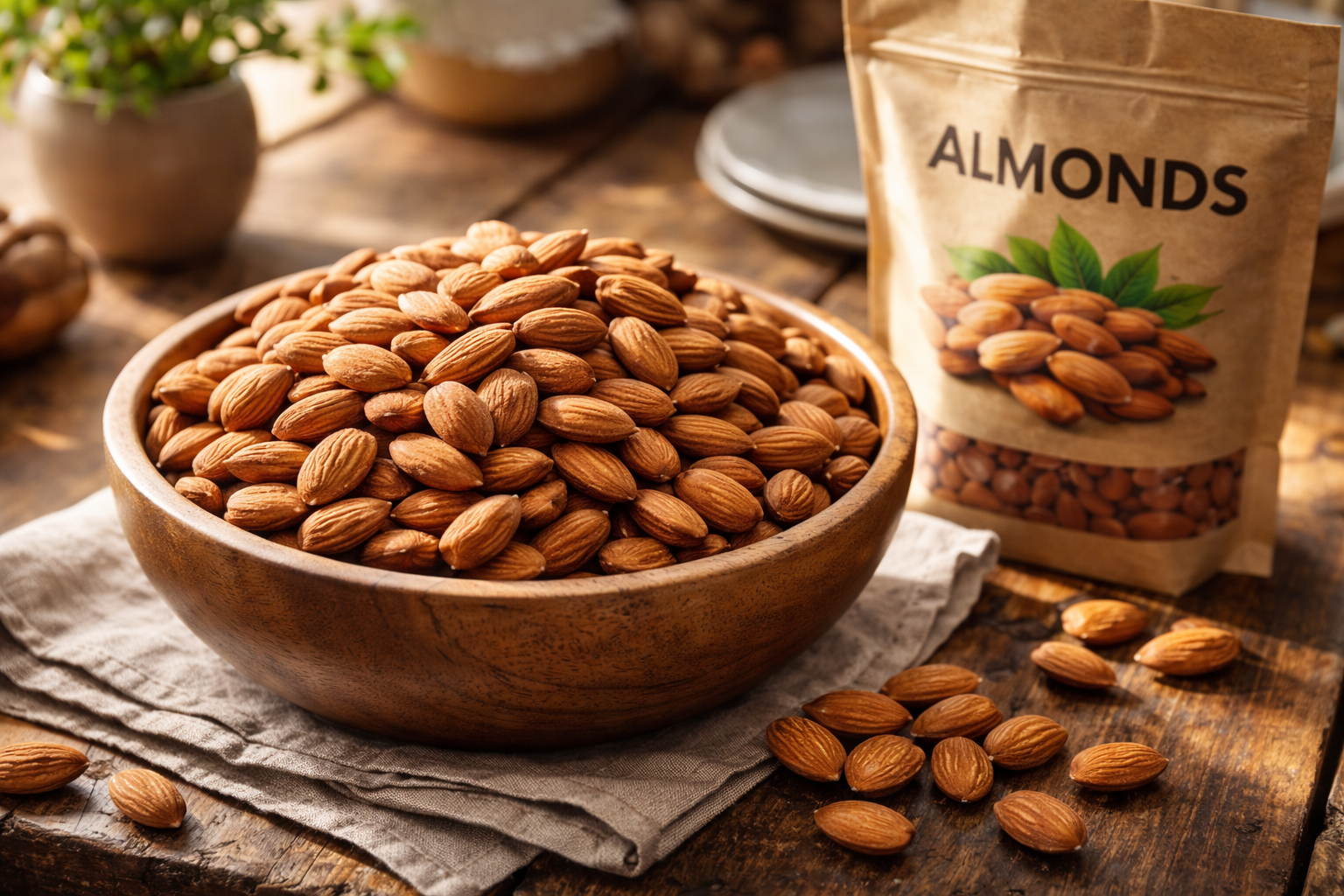
1) Identify the part(s) of the plant used, derivatives, organoleptic characteristics, and the major chemical component(s) which characterizes the aroma/flavor of almond.
Here’s a detailed breakdown for almond flavor (from sweet almond, Prunus amygdalus):
1. Plant Parts Used
- Seeds (kernels/nuts) – primarily used for flavor extraction.
- Leaves and flowers – occasionally used in niche flavor preparations but less common commercially.
- Shells – generally not used for flavoring.
2. Derivatives
- Almond oil – pressed from the kernels; used as a carrier or flavoring.
- Bitter almond extract / essence – obtained from kernels or from apricot kernels; highly concentrated flavor.
- Synthetic benzaldehyde – widely used in food, confectionery, and beverages as a substitute for natural almond flavor.
- Almond syrup – common in beverages and desserts.
- Amaretto flavor – alcohol-based derivative for beverages.
3. Organoleptic Characteristics
- Aroma: Sweet, nutty, warm, slightly marzipan-like; bitter almond notes in the bitter extract.
- Taste: Sweet with characteristic almond note; bitter in certain kernel varieties (bitter almond).
- Mouthfeel: Oily, smooth when from almond oil.
4. Major Chemical Component(s)
The signature aroma of almonds comes mainly from benzaldehyde. Other minor contributors include:
| Compound | Role in Aroma/Flavor |
|---|---|
| Benzaldehyde | Primary almond note; sweet, nutty, cherry-like; key marker for almond flavor. |
| Amygdalin (in bitter almonds) | Cyanogenic glycoside; upon enzymatic hydrolysis produces benzaldehyde and hydrogen cyanide (HCN). Responsible for bitter almond aroma. |
| Nonanal, Hexanal | Contribute minor green/fatty nuances. |
| Benzyl alcohol | Slightly sweet, enhances almond aroma depth. |
| Acetophenone | Minor sweet, floral, nutty notes. |
Summary:
Almond flavor is primarily derived from the seed/kernel, with benzaldehyde being the main compound responsible for its sweet, nutty, marzipan-like aroma. Bitter almond flavor arises from amygdalin, which releases benzaldehyde and HCN. Commercial flavors often use natural extracts, oils, or synthetic benzaldehyde depending on the desired safety and potency.
2) Typical almond flavor reconstruction formula
Below is typical almond flavor reconstruction formula from a flavor chemist perspective. This is based on the known aroma-active compounds of sweet almond and commonly used natural and synthetic flavoring ingredients.
Almond Flavor Reconstruction (High-Impact, Marzipan Type)
| Ingredient | Function / Notes | Typical % in Formula |
|---|---|---|
| Benzaldehyde (synthetic or natural) | Primary almond aroma; sweet, nutty, marzipan | 50–60% |
| Benzyl Alcohol | Supports sweetness, smooth nutty undertone | 5–10% |
| Amygdalin Extract / Bitter Almond Extract | Provides authentic bitter almond note (use carefully; small amounts due to HCN content if natural) | 1–3% |
| Ethyl Maltol | Sweet, caramelized note; enhances marzipan and baked almond feel | 2–5% |
| Vanillin | Adds creamy, bakery-like nuance; rounds flavor | 3–6% |
| Almond Oil / Natural Almond Extract | Mouthfeel, authentic nutty depth | 5–10% |
| Isoamyl Acetate (optional) | Slight fruity cherry nuance; natural in almond aroma | 0.2–0.5% |
| Solvent / Carrier (e.g., Ethanol or Propylene Glycol) | Dissolves flavor; vehicle for application | Balance to 100% |
Formulation Notes
- Benzaldehyde dominates the aroma profile. Adjust to taste: too much can be harsh or medicinal.
- Bitter almond extract / amygdalin-derived note is optional. For food safety, synthetic benzaldehyde is preferred over natural bitter almond extract (HCN risk).
- Vanillin and ethyl maltol are added for a richer, bakery-style marzipan nuance, common in confectionery.
- The carrier allows the formula to be used in syrups, confections, or beverages.
- Typical usage levels in final food applications: 0.01–0.1% w/w (depending on product).
This reconstruction mimics the aroma chemistry of almonds: benzaldehyde drives the characteristic nutty-marzipan note, benzyl alcohol and minor aldehydes round it, and sweeteners like vanillin and ethyl maltol give richness.
3) Ready to use flavorist-style table
Here’s a ready-to-use flavorist-style table for almond flavor, designed like a professional flavor chemist would reference it. It includes plant part/derivative, function, organoleptic note, key chemical markers, and typical % usage in a formula.
| Ingredient / Source | Plant Part / Derivative | Function in Flavor | Organoleptic Characteristics | Key Chemical Markers | Typical % in Almond Flavor Formula |
|---|---|---|---|---|---|
| Benzaldehyde | Synthetic / natural (from kernel) | Primary almond aroma | Sweet, nutty, marzipan | Benzaldehyde | 50–60% |
| Benzyl Alcohol | Synthetic or natural | Aroma modifier, smoothness | Sweet, lightly nutty, alcohol nuance | Benzyl alcohol | 5–10% |
| Bitter Almond Extract / Amygdalin Extract | Kernel | Authentic bitter almond note | Bitter almond, cherry-like | Amygdalin → benzaldehyde + HCN | 1–3% |
| Almond Oil / Natural Almond Extract | Kernel | Mouthfeel, depth | Nutty, creamy | Triglycerides, minor aldehydes | 5–10% |
| Vanillin | Vanilla beans or synthetic | Rounds flavor, bakery nuance | Sweet, creamy, vanilla-marzipan | Vanillin | 3–6% |
| Ethyl Maltol | Synthetic | Enhances sweetness, caramel/baked notes | Sweet, caramelized, baked almond | Ethyl maltol | 2–5% |
| Isoamyl Acetate (optional) | Synthetic or natural | Fruity nuance | Fruity, cherry-like | Isoamyl acetate | 0.2–0.5% |
| Solvent / Carrier | Ethanol or Propylene Glycol | Solubilizes flavor | Neutral | N/A | Balance to 100% |
Notes for Flavorist Use
- Adjust benzaldehyde carefully: too high → medicinal; too low → flat.
- Bitter almond extract: use small amounts due to cyanide content in natural sources; synthetic benzaldehyde is safer.
- Vanillin and ethyl maltol are optional but recommended for marzipan or confectionery applications.
- Usage in finished product: 0.01–0.1% depending on matrix (beverages, bakery, confections).
4) Professional extreme high-impact almond flavor
Here’s a professional extreme high-impact almond flavor designed for chips, snack powders, and baked/fried products, using microencapsulation to maximize aroma release at consumption while maintaining stability under heat and storage. This is flavorist-ready, with percentages for a concentrated flavor base.
| Ingredient / Source | Plant Part / Derivative | Function in Flavor | Organoleptic Characteristics | Key Chemical Markers | Typical % in Extreme High-Impact Almond Flavor |
|---|---|---|---|---|---|
| Benzaldehyde | Synthetic or natural (from kernel) | Primary almond note; immediate impact | Sweet, nutty, marzipan; high volatility | Benzaldehyde | 65–75% |
| Benzyl Alcohol | Synthetic or natural | Smooths sharpness, enhances depth | Sweet, lightly nutty | Benzyl alcohol | 5–8% |
| Almond Oil / Almond Extract | Kernel | Nutty depth, mouthfeel, roasted nuance | Creamy, authentic almond | Triglycerides, minor aldehydes | 5–8% |
| Ethyl Maltol | Synthetic | Sweet, caramelized, baked note | Warm, dessert-like | Ethyl maltol | 3–5% |
| Vanillin | Synthetic | Bakery-marzipan rounding; aroma stability | Sweet, creamy | Vanillin | 2–4% |
| Isoamyl Acetate | Synthetic or natural | Fruity accent; highlights almond | Cherry-like | Isoamyl acetate | 0.2–0.5% |
| Microencapsulation Matrix (e.g., cyclodextrin, maltodextrin, gum arabic) | Carrier / encapsulant | Protects volatiles during processing/storage; controlled release | Neutral | N/A | 10–12% |
| Anti-caking / Flow Agent (e.g., silicon dioxide) | Mineral derivative | Prevents clumping in powders | Neutral | N/A | 0.5–1% |
| Optional Flavor-Stabilizing Antioxidant (e.g., tocopherol) | Natural antioxidant | Prevents oxidation of oils and aldehydes | Neutral | N/A | 0.1–0.3% |
| Solvent / Carrier (optional) | Ethanol / Propylene Glycol | Dissolves flavor for liquid concentrates | Neutral | N/A | Balance to 100% (if liquid) |
Formulation Notes for Extreme High-Impact Almond
- Microencapsulation is critical:
- Protects benzaldehyde and other volatiles during high-temperature baking/frying.
- Releases aroma at consumption (bite or mastication).
- Benzaldehyde content is pushed higher than standard formulas (65–75%) for immediate perception.
- Benzyl alcohol, vanillin, and ethyl maltol reduce sharpness and add sweet, baked depth.
- Powder carrier matrix (cyclodextrin/maltodextrin/gum arabic) ensures flowability, shelf stability, and aroma encapsulation.
- Dosage in finished snack: Typically 0.02–0.08% w/w, depending on fat content, moisture, and processing temperature.t
Applications of Almond
Almonds come from the tree Prunus dulcis and are widely used in food, flavor, fragrance, and pharmaceutical industries. Almond flavor can originate from sweet almonds (nutty, creamy) or bitter almonds (strong benzaldehyde aroma). The characteristic almond aroma in many products is primarily due to benzaldehyde, formed from the compound amygdalin in bitter almonds.
Below are the major applications of almonds and almond-derived materials.
1. Food and Culinary Applications 🍰
A. Bakery Products
Almonds are one of the most important nuts used in baking.
Typical applications
- Cakes and pastries
- Almond croissants
- Macarons
- Biscotti
- Marzipan
- Almond bread
Functional roles
- Nutty creamy flavor
- Texture and crunch
- Fat contribution for richness
B. Confectionery
Almonds are heavily used in candy and sweets.
Examples
- Nougat
- Pralines
- Dragées
- Almond brittle
- Chocolate-coated almonds
A classic confection is marzipan, which is made from almonds and sugar.
C. Snacks and Nut Products
Whole almonds are widely consumed as snacks.
Forms
- Roasted almonds
- Salted almonds
- Honey-roasted almonds
- Spiced almonds
They also appear in trail mixes and granola products.
D. Dairy Alternatives
Almonds are a major ingredient in plant-based foods.
Examples
- Almond milk
- Almond yogurt
- Almond butter
- Almond cheese alternatives
These products are widely used in vegan and lactose-free diets.
2. Flavor Industry Applications 🧪
Almond flavor is widely used in flavor formulation.
A. Almond Flavor Types
| Flavor Type | Application |
|---|---|
| Almond flavor | bakery and confectionery |
| Cherry flavor | benzaldehyde component |
| Marzipan flavor | candy and desserts |
| Amaretto flavor | beverages |
| Stone fruit flavors | peach, apricot |
Almond notes are often present in stone-fruit flavors because benzaldehyde is also found in apricot and cherry kernels.
B. Key Almond Flavor Molecules
Important compounds include:
- Benzaldehyde (primary almond aroma)
- Benzyl alcohol
- Benzyl acetate
- Benzaldehyde dimethyl acetal
- Furfural
- 2-phenylethanol
These compounds create:
- nutty sweetness
- marzipan notes
- cherry-like aroma
3. Beverage Applications 🍹
Almond flavors are widely used in drinks.
A. Alcoholic Beverages
Examples include:
- Amaretto
- Orgeat syrup used in cocktails
Function
- Sweet nutty aroma
- Marzipan-like flavor
B. Non-Alcoholic Beverages
Almond flavor is used in:
- Coffee syrups
- Milk beverages
- Bubble tea flavors
- Dessert drinks
4. Cosmetic and Personal Care Applications 🧴
Almond oil is widely used in cosmetics.
Key product types
- Skin moisturizers
- Massage oils
- Hair conditioners
- Lip balms
- Body lotions
Almond oil is valued because it is mild, nourishing, and easily absorbed by the skin.
5. Pharmaceutical Applications 💊
Almond oil has traditional medicinal uses.
Uses include
- Skin protection
- Carrier oil for medicines
- Mild laxative
- Ingredient in topical creams
It is often used as a pharmaceutical excipient.
6. Fragrance and Perfumery Applications 🌸
Almond notes are common in perfumery.
Applications
- Gourmand fragrances
- Soap and shampoo
- Body lotions
- Candles
The scent is typically provided by benzaldehyde and heliotropin-like compounds, producing a sweet marzipan aroma.
7. Nutritional and Functional Food Uses 🥗
Almonds are highly valued for nutrition.
Key components
- healthy monounsaturated fats
- protein
- vitamin E
- fiber
- minerals (magnesium, calcium)
Because of this, almonds are widely used in health foods and functional foods.
Summary
Almonds have very broad applications including:
- bakery and confectionery
- snacks and nut products
- plant-based dairy alternatives
- beverages and liqueurs
- flavor formulations
- cosmetics and pharmaceuticals
Their characteristic flavor comes mainly from benzaldehyde, producing the familiar nutty, sweet, marzipan-like aroma used widely in both natural foods and industrial flavor systems.
###