Cassia as a Natural Flavoring: A Comprehensive Technical Guide
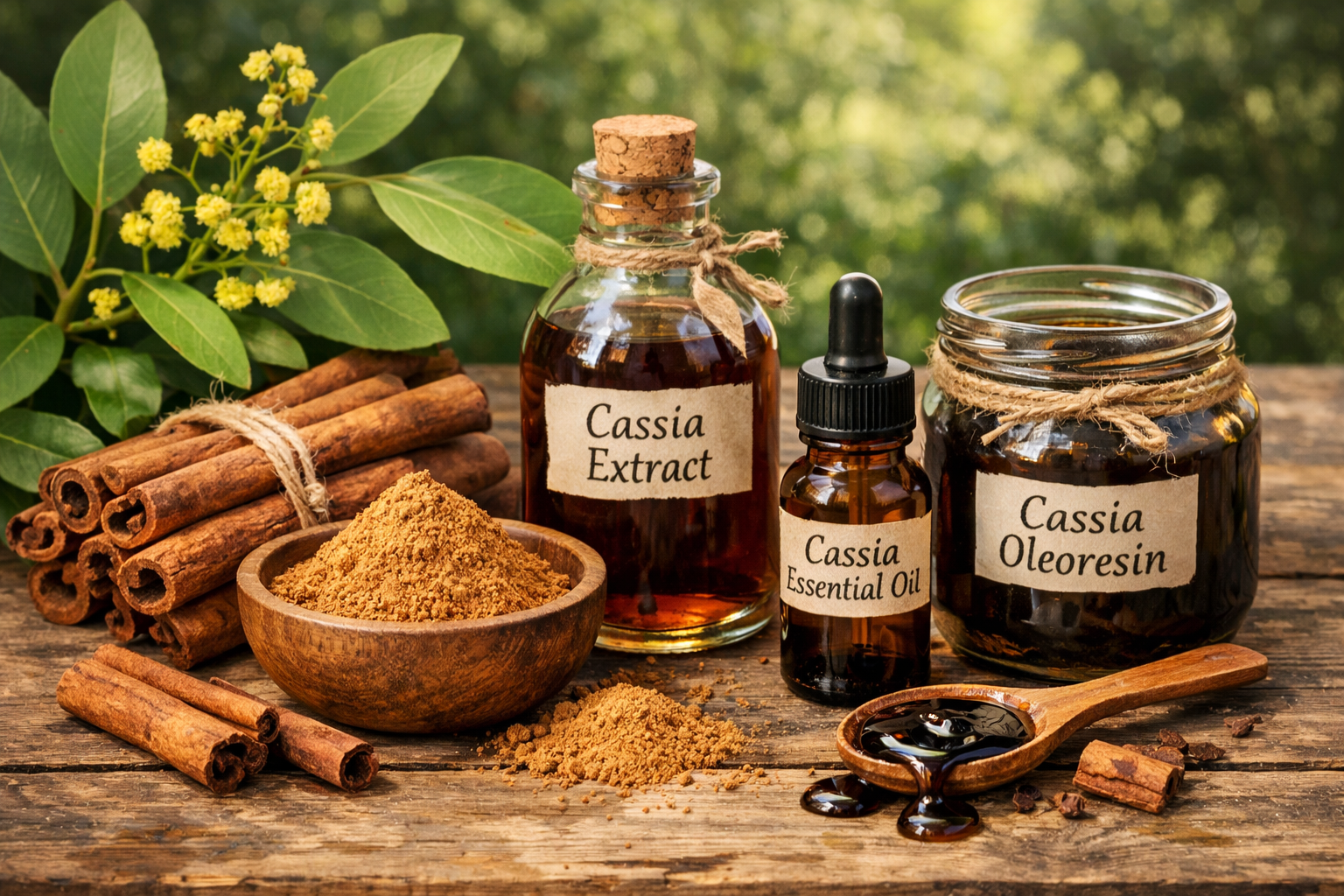
Here is a comprehensive technical guide for Cassia, structured in the same format as the previous guides. All key information for flavorists has been incorporated.
Cassia as a Natural Flavoring: A Comprehensive Technical Guide
The Society of Flavor Chemists requires certified flavorists to be able to identify the plant part used, derivatives, organoleptic characteristics, and major chemical component(s) characterizing the aroma and flavor of the 80 natural flavorings listed on its syllabus for the qualification test and interview. Cassia is included among these essential items.
Introduction
Cassia, often referred to as Chinese cinnamon or false cinnamon, is one of the most widely used spices in the world. It is derived from the bark of several species of the genus Cinnamomum, primarily Cinnamomum cassia (L.) J. Presl (also known as Cinnamomum aromaticum), native to southern China and Southeast Asia. While often confused with true cinnamon (Cinnamomum verum or Ceylon cinnamon), cassia has a distinctly different character: bolder, stronger, more pungent, and slightly bitter, with a higher content of cinnamaldehyde.
For flavorists, cassia is indispensable in a vast range of applications, from baked goods and confectionery to beverages (colas, hot spiced drinks), savory dishes, and spice blends. Its warm, sweet, and powerfully pungent character is a cornerstone of both Western and Eastern culinary traditions. The essential oil, dominated by cinnamaldehyde, is one of the most widely used natural flavoring materials.