Citral Applications and Flavor Formulation Guide
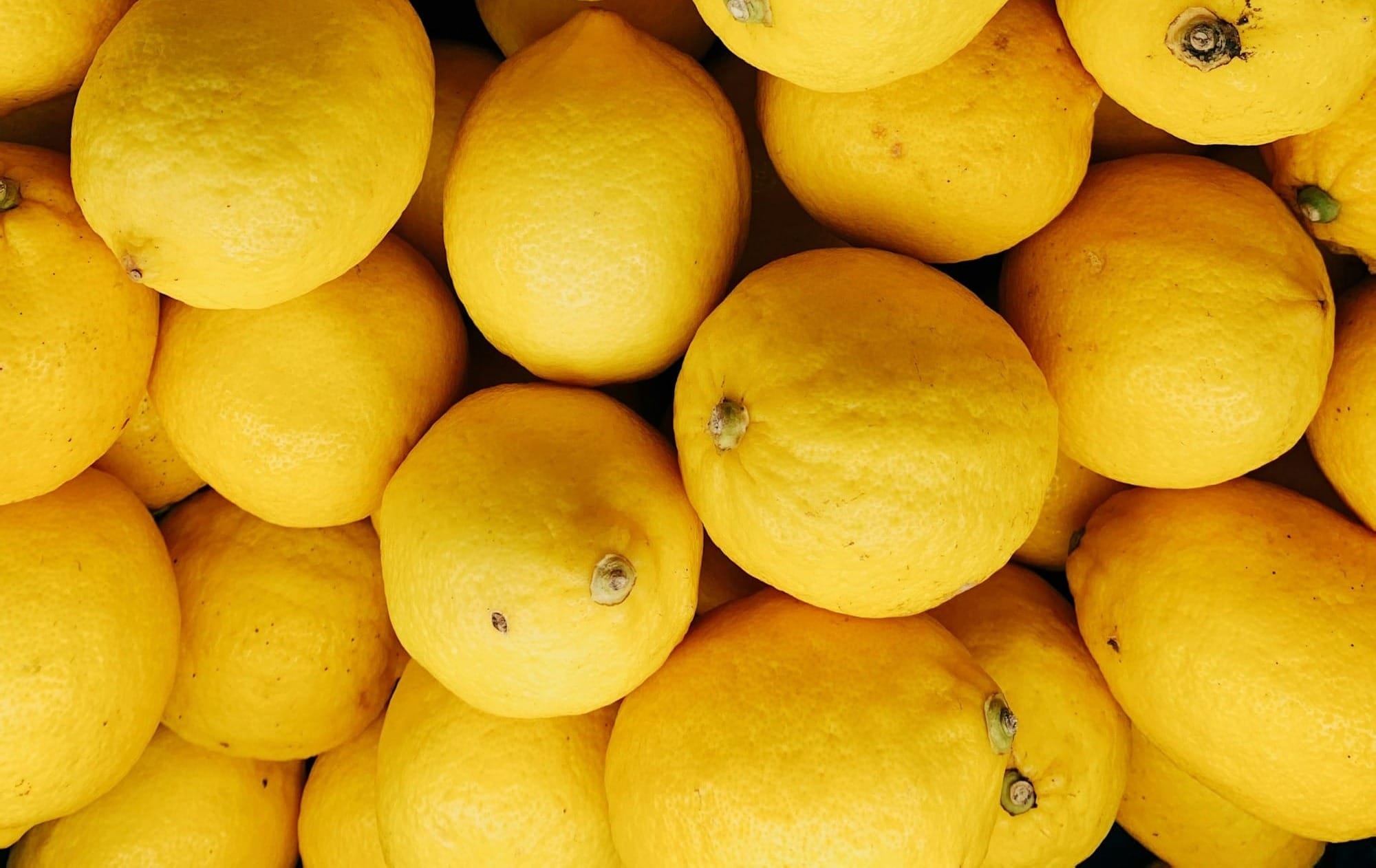
Guide: Citral in Flavor Creation
Overview of Citral
- Chemical Identity: A mixture of two isomers, neral and geranial, which together produce its strong characteristic lemon flavor note.
- Regulatory Status: Recognized as safe for use in flavors (FEMA GRAS #2303).
- Primary Use: A foundational material in citrus flavors, particularly lemon flavors.
- Versatility: It also provides a bright, lifting effect in many non-citrus fruit and other flavor profiles.
- Usage Note: The concentrations discussed are for flavors intended to be used at a 0.05% dosage in an end product (like a beverage).
🌟 Citral in Citrus Flavors
Citral is essential in citrus flavors, with usage levels varying dramatically by fruit type.
| Fruit Type | Typical Citral Level (ppm) | Key Function in Profile |
|---|---|---|
| Citron | Up to 13,000 | Provides the intense, defining lemon character. |
| Lemon | Up to 11,000 | Central note, often enhanced with nerol, geraniol, and their acetates. |
| Orange | 100 - 400 | Enhances and brightens juice, peel, and blood orange types. |
| Grapefruit | ~220 | Brightens and lifts the overall profile. |
| Pomelo | ~330 | Complements high nootkatone and green notes. |
| Tangerine/Mandarin | 100 - 230 | Freshens and lifts the profile at moderate levels. |
| Lime (Distilled) | ~110 | Used sparingly compared to fresh/cold-pressed types. |
| Daidai | ~120 | Works with linalyl acetate in this bitter orange relative. |
| Kalamansi | ~80 | Lifts the acidic, tangerine-like profile. |
| Clementine | ~30 | Used subtly with perilla aldehyde. |
🍓 Citral in Non-Citrus Fruit Flavors
Outside of citrus, citral acts as a versatile tool to add contrast and freshness.
| Fruit Type | Typical Citral Level (ppm) | Key Function in Profile |
|---|---|---|
| Tamarind | Up to 1,100 | Provides a foundational bright, tart note. |
| Cranberry | ~510 | Offsets dried character with freshness. |
| Kiwi | Up to 280 | Enhances delicate character without intrusion. |
| Watermelon | ~180 | Brightens realistic profiles; flexible in fantasy types. |
| Guava | ~90 | Adds a needed fresh top note. |
| Lychee | ~100 | Blends with the inherent lemon and rose notes. |
| Blueberry | ~40 | Provides contrast to dominant lavender notes. |
🍵 Citral in Other Flavor Categories
Citral's utility extends to sweet, spicy, floral, and savory applications.
| Flavor Type | Typical Citral Level (ppm) | Key Function in Profile |
|---|---|---|
| Honey | ~1,200 | Enhances various types, including floral ones. |
| Rose | ~450 | Significant in confectionery-style rose flavors. |
| Cream Soda | ~180 | Lifts and prevents heavy, overly sweet profiles. |
| Tomato (Fresh) | 100 - 200 | Enhances the perception of freshness. |
| Ginger | ~60+ | Contributes to complexity; higher levels suit Australian ginger. |
| Green Tea | ~70 | Adds a subtle authentic note in Japanese-style flavors. |
| Peppermint | ~30 | Provides a very subtle, uplifting effect. |
🧪 Flavor Formulation Concepts
The following are proposed starting-point formulas for citrus, fruit, and other flavors. These are educational concepts built around citral.
Formula 1: Premium Lemon-Lime Sparkling Beverage Flavor
- Citrus Core: Citral (10,000 ppm), Limonene, Neral, Geranial, Citronellal, Linalool.
- Support & Freshness: Citronellol, Nerol, Geraniol, Neryl Acetate, Geranyl Acetate, Bergamot Oil, Decanal.
- Body & Depth: Ethyl Butyrate, Ethyl Acetate, Gamma-Terpinene, Alpha-Terpineol, Valencene.
- Green & Lift: cis-3-Hexenol, trans-2-Hexenal, Spearmint Oil.
- Fixative: Triethyl Citrate.
Formula 2: Wild Berry Blend with Fresh Lift (for Yogurt)
- Berry Jam Core: Ethyl Maltol, Raspberry Ketone, Furaneol, Gamma-Decalactone, Delta-Dodecalactone.
- Fresh Fruit Notes: Citral (300 ppm), trans-2-Hexenal, cis-3-Hexenol, Benzaldehyde, Ethyl Butyrate.
- Floral & Sweet: Geraniol, Linalool, Phenyl Ethyl Alcohol, Vanillin.
- Winey/Dark Fruit: Methyl Anthranilate, Beta-Damascenone, Ethyl Caproate.
- Acidity & Support: Acetic Acid, Malic Acid, Ethyl Acetate, Alpha-Terpineol.
- Fixative: Benzyl Benzoate.
Formula 3: Herbal Honey & Ginger Brew Flavor
- Honey Base: Phenethyl Phenylacetate, Ethyl Phenylacetate, Maltol, Gamma-Dodecalactone.
- Ginger Spice: Ginger Oleoresin, Zingerone, Farnesene, Citral (150 ppm), Methyl Heptenone.
- Herbal/Tea: Linalool, Linalyl Acetate, Eugenol, Beta-Caryophyllene.
- Citrus Lift: Limonene, Nootkatone, Decanal.
- Warming/Depth: Vanillin, Ethyl Vanillin, Ethyl Butyrate.
- Fixative: Triacetin.
(All formulas are illustrative starting points for experimentation. They may not be commercially viable without further twisting.)
Below are additional flavor categories, effectively creating a comprehensive citral-focused flavor library.
🍊 Comprehensive Citral Flavor Formula Library
| Flavor Category | Primary Sub-Categories & Examples | # of Potential Formulas | Key Role of Citral |
|---|---|---|---|
| Citrus Fruits | Lemon variants (Meyer, Sorrento), Orange (Seville, Valencia), Grapefruit (Ruby Red), Exotic (Yuzu, Buddha's Hand) | 15-20+ | Core lemon character, profile brightener |
| Berry Fruits | Strawberry, Raspberry, Blackberry, Blackcurrant, Elderberry, Açaí, Maqui Berry | 8-12 | Fresh top-note, contrast to jammy sweetness |
| Tropical & Exotic Fruits | Mango, Passion Fruit, Pineapple, Papaya, Dragon Fruit, Soursop, Mangosteen | 10-15 | Enhances acidic lift, adds crisp freshness |
| Stone & Pome Fruits | Peach, Apricot, Cherry, Plum, Apple, Pear, Quince | 8-10 | Cuts through heavy lactonic notes, adds vibrancy |
| Dessert & Sweet Flavors | Vanilla, Caramel, Butterscotch, Chocolate, Maple, Nougat, Marshmallow | 10-12 | Prevents cloying sweetness, adds complexity |
| Spice & Herbal Flavors | Cinnamon, Cardamom, Lemongrass, Basil, Thyme, Shiso, Eucalyptus | 10-15 | Blends with herbal notes, creates lift |
| Nut & Grain Flavors | Coconut, Almond, Hazelnut, Pistachio, Green Tea, Oat, Rice | 8-10 | Cuts through fatty richness, adds delicate lift |
| Beverage & Fantasy | Cola, Root Beer, Chai, "Summer Breeze", "Mountain Frost" | 8-12 | Key top-note in citrus-forward fantasies |
| Dairy & Cream Flavors | Butter, Cream, Cheese (cream cheese), Yogurt, Sweet Condensed Milk | 5-8 | Cuts through dairy fattiness, adds freshness |
| Savory & Vegetable | Basil-Pesto, Cucumber, Bell Pepper, Chili, Wasabi, Smoke | 8-10 | Critical for fresh green/vegetable character |
The number of formulas are to indicate possible applications of citral. But not all can be presented here.
Below is a new, detailed formula expanding on the "Cream Soda" concept, showing how to apply citral in a complex profile.
Flavor Name: Sparkling Citrus Cream Soda
Target Profile: A sophisticated, non-alcoholic cream soda with a bright citrus top-note, creamy vanilla body, and herbal nuance.
| Ingredient | Parts Per Million (PPM) | Function in the Formula |
|---|---|---|
| Citral | 200 | Primary Lift: Provides the mandated bright, lemon-citrus sparkle. |
| Vanillin | 500 | Creamy Base: The foundational vanilla character. |
| Ethyl Vanillin | 150 | Enhanced Sweetness: Adds a more potent, creamy vanilla note. |
| Gamma-Dodecalactone | 300 | Creamy Body: Provides a rich, milky, coconut-like creaminess. |
| Diacetyl | 50 | Buttery Note: Imparts the signature buttery soda nuance (use at safe levels). |
| Limonene | 800 | Citrus Body: Supports citral with a full, rounded orange-citrus character. |
| Linalool | 250 | Floral Softness: Adds a soft, floral note to bridge citrus and cream. |
| Ethyl Butyrate | 150 | Fruity Juiciness: Contributes a general ripe, fruity sweetness. |
| Geraniol | 120 | Floral-Citric Link: A rose-citrus note that complements citral. |
| Nerol | 80 | Fresh Citrus: A fresher, greener citrus note alongside citral. |
| Alpha-Terpineol | 200 | General Citrus/Floral: Adds body and a lilac note to the citrus blend. |
| Maltol | 400 | Sugar-like Sweetness: Enhances the perception of sugary sweetness. |
| Ethyl Maltol | 100 | Synergistic Sweetener: Works with maltol for a carried sweetness. |
| Coumarin | 20 | Warm, Hay-like Note: Provides a subtle herbal, sweet depth. |
| Safranal | 15 | Exotic Herbal Touch: A subtle, unique herbal-spicy accent. |
| cis-3-Hexenol | 30 | Fresh Green Lift: A touch of fresh, cut-grass for top-note freshness. |
| Benzyl Alcohol | 450 | Solvent & Carrier: A common, mild solvent and carrier. |
| Triethyl Citrate | 300 | Fixative & Solvent: A non-volatile solvent that extends top notes. |
| Propylene Glycol | Balance to 10,000 | Primary Carrier/Solvent. |
| Total | 10,000 | Final Flavor Concentration |
Flavor Logic & Citral Integration: In this formula, citral (200 ppm) is the star of the top-note, providing an immediate sparkle. It is supported by a citrus bouquet (limonene, nerol) and bridged to the creamy base (vanillin, lactones) by floral materials (linalool, geraniol). The herbal notes (coumarin, safranal) add sophistication, preventing the profile from being overly simple or juvenile.
Savory and vegetable flavors with citral
Citral may help savory and vegetable flavors as well as citral provides critical fresh, green, and lifting top notes that define "just-picked" or "fresh-cut" character. It must be balanced carefully with green, fatty, sulfurous, and earthy materials.
Below are 10 detailed, professional starting-point formulas for savory and vegetable flavors, each built around the specific role of citral. All formulas are designed for a total flavor concentrate of 10,000 ppm (1%).
Formula 1: Fresh Garden Tomato
- Profile: The juicy, sweet-acidic, and slightly green character of a vine-ripe tomato.
- Citral's Role (150 ppm): Provides the essential fresh, green top note associated with the stem and skin of a just-picked tomato.
| Ingredient | PPM | Function in the Formula |
|---|---|---|
| Citral | 150 | Fresh Green Top Note: Simulates the fresh, slightly lemony green character of tomato stem and calyx. |
| Furaneol | 800 | Ripe Sweetness: The core of ripe tomato sweetness and juicy character. |
| Methional | 400 | Brothy, Savory Depth: Provides the essential cooked tomato/broth-like sulfury note (tomato ketchup character). |
| cis-3-Hexenal | 250 | Fresh-Cut Green: The powerful, classic "fresh-cut grass/leaf" note for immediacy. |
| 1-Octen-3-one | 30 | Earth/Soil: Adds a subtle earthy, fungal soil nuance for authenticity. |
| Eugenol | 50 | Spicy-Clove Lift: A trace adds complexity and a hint of warmth. |
| Linalool | 200 | Floral Softness: Softens the green notes with a fresh floral aspect. |
| Acetic Acid | 100 | Acidic Vinegar Twist: Sharpens the profile, enhances freshness. |
| Limonene | 300 | General Citrus Body: Supports citral and adds a round, light citrus fullness. |
| Gamma-Decalactone | 80 | Creamy Juiciness: A trace adds a subtle fleshy, juicy mouthfeel. |
| Isobutyl Methoxypyrazine | 5 | Bell Pepper/Galbanum: The quintessential green bell pepper note for tomato leaf character. |
| Damascone (alpha or beta) | 10 | Ripe Fruitiness: Enhances the ripe, red fruit aspect at trace levels. |
| Ethyl Butyrate | 120 | General Fruity Juiciness: Contributes to the overall juicy fruit impression. |
| Phenylacetaldehyde | 20 | Honey-Floral: Adds a touch of sweet floral depth. |
| Geraniol | 100 | Floral-Citric Link: A rose note that bridges citral to the floral linalool. |
| Beta-Caryophyllene | 50 | Woody Spice: Adds a very faint green, woody pepper background. |
| Hexanal | 60 | Green, Aldehydic Lift: Another fresh green top-note supporting cis-3-hexenal. |
| Benzyl Alcohol | 1,000 | Solvent/Carrier |
| Triethyl Citrate | 6,070 | Fixative/Solvent |
| Propylene Glycol | Balance to 10,000 | Primary Carrier |
Formula 2: Roasted Bell Pepper & Smoke
- Profile: Charred, sweet pepper flesh with a clean smoky background.
- Citral's Role (50 ppm): Adds a piercing, fresh green note to contrast and define the roasted sweetness.
| Ingredient | PPM | Function in the Formula |
|---|---|---|
| Citral | 50 | Fresh Green Contrast: Provides a sharp, lemony green accent against the roasted notes. |
| Isobutyl Methoxypyrazine | 15 | Core Green Bell Pepper: The definitive raw bell pepper character. |
| Furaneol | 600 | Roasted Sweetness: Imparts the caramelized, jammy sweetness of roasted pepper flesh. |
| Guaiacol | 200 | Phenolic Smoke: Provides a clean, woody smoke note. |
| 2-Isobutylthiazole | 80 | Fresh Tomato Leaf/Green: Enhances the fresh vegetable green character. |
| Maltol | 150 | Sweet Enhancer: Boosts the sweet, caramelized perception. |
| Acetyl Pyrazine | 30 | Roasted Nutty/Cereal: Adds a toasted, nutty, bready nuance. |
| Caprylic Acid | 40 | Fatty, Sweaty |
| Linalool | 150 | Floral Softness |
| Beta-Damascenone | 20 | Stewed Fruit |
| Phenylacetaldehyde | 30 | Honey-Floral |
| Eugenol | 40 | Spicy Clove Warmth |
| cis-3-Hexenol | 200 | Fresh Green Body |
| Gamma-Octalactone | 50 | Coconut-Creamy |
| Farnesol | 60 | Green Floral |
| Geranyl Acetate | 100 | Fruity-Rosy Freshness |
| Valencene | 70 | Sweet Woody Citrus |
| Benzyl Alcohol | 1,500 | Solvent/Carrier |
| Triethyl Citrate | 5,615 | Fixative/Solvent |
| Propylene Glycol | Balance to 10,000 | Primary Carrier |
Formula 3: Creamy Basil Pesto
- Profile: Fresh basil, garlic, pine nuts, Parmesan cheese, and olive oil.
- Citral's Role (300 ppm): A major component of the fresh basil top note, working with linalool and estragole.
| Ingredient | PPM | Function in the Formula |
|---|---|---|
| Citral | 300 | Fresh Basil Top Note: A key contributor to the sharp, lemony-green character of fresh basil. |
| Estragole (Methyl Chavicol) | 1,200 | Core Basil/Anise: The primary, sweet anise-like note of basil. |
| Linalool | 1,500 | Floral Basil Body: The main floral component of basil, providing volume. |
| Eugenol | 100 | Spicy Clove Warmth: Adds complexity and a hint of spice. |
| Garlic Oil (or Allyl Mercaptan) | 150 | Pungent Garlic: Essential for the authentic pesto character. |
| 2-Pentyl Furan | 50 | Beany, Nutty: Supports the pine nut and olive oil character. |
| Acetic Acid | 80 | Sharp, Vinegar-like |
| Butyric Acid | 60 | Cheesy, Rancid Butter: Critical for the Parmesan cheese nuance. |
| Delta-Decalactone | 200 | Creamy, Peach-Fatty: Enhances the creamy, fatty mouthfeel from nuts and cheese. |
| Hexanal | 70 | Green Aldehydic |
| cis-3-Hexenol | 250 | Fresh Green Body |
| Farnesene (alpha or beta) | 120 | Green Woody |
| Geraniol | 180 | Floral-Citric Link |
| Valencene | 90 | Woody Citrus |
| Caprylic Acid | 40 | Fatty, Sweaty |
| Maltol | 100 | Sweet Enhancer |
| Benzyl Alcohol | 1,000 | Solvent/Carrier |
| Triethyl Citrate | 3,010 | Fixative/Solvent |
| Propylene Glycol | Balance to 10,000 | Primary Carrier |
Formula 4: Crisp Cucumber with Mint
- Profile: The refreshing, watery, and slightly melony-green character of cucumber with a hint of mint.
- Citral's Role (80 ppm): Enhances the fresh, green, and slightly waxy peel character.
| Ingredient | PPM | Function in the Formula |
|---|---|---|
| Citral | 80 | Fresh Peel Character: Adds a clean, sharp green note to the cucumber skin. |
| trans-2-Nonenal | 25 | Character Impact Cucumber: The classic "cucumber peel" aldehyde; use precisely. |
| cis-3-Hexenol | 400 | Fresh-Cut Green Body: The main fresh green support. |
| Methyl Benzoate | 450 | Floral, Fruity-Cucumber Flesh: Imparts the sweet, floral-fruity character of the flesh. |
| Linalool | 300 | Soft Floral |
| Gamma-Nonalactone | 200 | Coconut-Melony: Provides the sweet, melony undertone of cucumber. |
| 1-Octen-3-ol | 15 | Mushroom/Earthy: A trace adds a very faint earthy, moist nuance. |
| Menthol (Levomenthol) | 150 | Cooling Mint: Provides the cooling sensation. |
| Menthone | 80 | Minty Flavor |
| Ethyl 2-Methylbutyrate | 120 | Fruity Juiciness |
| Hexanal | 90 | Green Aldehydic Lift |
| Geraniol | 130 | Floral-Citric Link |
| Beta-Ionone | 10 | Violet-Fruity |
| Acetaldehyde | 30 | Fresh, Pungent Top |
| Water (in solvent) | 1,000 | Perception of Wateriness |
| Benzyl Alcohol | 1,500 | Solvent/Carrier |
| Triethyl Citrate | 4,420 | Fixative/Solvent |
| Propylene Glycol | Balance to 10,000 | Primary Carrier |
Formula 5: Fresh Green Chili & Lime
- Profile: The bright, pungent, green character of jalapeño or serrano chili with a strong lime accent.
- Citral's Role (400 ppm): Forms the core of the lime top-note and complements the green chili character.
| Ingredient | PPM | Function in the Formula |
|---|---|---|
| Citral | 400 | Core Lime Top Note: The primary lemon-lime character. |
| Limonene | 1,200 | Citrus Body |
| Capsaicin (or CH-19 Sweet Pepper Extract) | 2-10 | Pungent Heat: USE WITH EXTREME CAUTION. Defines chili heat level. |
| cis-3-Hexenal | 180 | Fresh-Cut Green Chili: The intense green note of fresh chili. |
| Isobutyl Methoxypyrazine | 8 | Green Bell Pepper |
| Linalool | 250 | Floral Softness |
| Geraniol | 150 | Floral-Citric Link |
| Alpha-Terpineol | 220 | Lilac-Citrus |
| Farnesene | 90 | Green Woody |
| Acetic Acid | 100 | Acidic Sharpness |
| Ethyl Butyrate | 200 | General Fruity Juiciness |
| Methyl Salicylate | 30 | Wintergreen-Herbaceous: A subtle herbal nuance. |
| Beta-Caryophyllene | 120 | Woody Black Pepper: Adds a spicy, black pepper-like background. |
| 1-Octen-3-one | 5 | Earthy |
| Benzyl Alcohol | 1,500 | Solvent/Carrier |
| Triethyl Citrate | 5,147 | Fixative/Solvent |
| Propylene Glycol | Balance to 10,000 | Primary Carrier |
Formula 6: Sauteed Mushroom (Umami-Rich)
- Profile: Earthy, savory, brothy, and slightly meaty character of cooked mushrooms.
- Citral's Role (30 ppm): Provides a subtle, fresh high note to lift the heavy, earthy profile and prevent flatness.
| Ingredient | PPM | Function in the Formula |
|---|---|---|
| Citral | 30 | Fresh Top-Lift: A subtle fresh note that brightens the deep earthy profile. |
| 1-Octen-3-ol | 800 | Character Impact Mushroom: The definitive fresh mushroom alcohol. |
| Lenthionine (from Shiitake) / Methanethiol | 5-10 | Pungent, Sulfurous: Intense garlic-cabbage sulfur note key for authenticity. |
| Maltol | 300 | Sweet Enhancer: Balances bitterness and enhances umami perception. |
| Guaiacol | 100 | Smoky-Phenolic: Adds a subtle smoky, woody complexity. |
| Furfuryl Mercaptan | 15 | Roasted Coffee-Meaty: Powerful savory, roasted note at low levels. |
| Methional | 400 | Potato-Brothy: Essential for the savory, boiled potato/broth character. |
| 2-Ethyl-3,5-dimethylpyrazine | 25 | Earthy, Potato Skin: Provides a raw, earthy potato and soil nuance. |
| Delta-Decalactone | 150 | Creamy-Fatty: Imparts a slight fatty mouthfeel as if cooked in butter. |
| Butyric Acid | 80 | Cheesy-Rancid: Adds a fermented, aged dairy depth. |
| cis-3-Hexenol | 120 | Supporting Green: A clean green note supporting citral's lift. |
| Valencene | 100 | Dry Woody Citrus: A dry background note. |
| Geraniol | 90 | Floral Link: Softens the profile. |
| Phenylacetic Acid | 20 | Honey-Acidic: Adds a sweet-sour, animalic nuance at trace levels. |
| Benzyl Alcohol | 1,500 | Solvent/Carrier |
| Triethyl Citrate | 5,170 | Fixative/Solvent |
| Propylene Glycol | Balance to 10,000 | Primary Carrier |
Formula 7: Sweet Corn & Butter
- Profile: The sweet, creamy, slightly starchy and sulfury character of boiled sweet corn with butter.
- Citral's Role (100 ppm): Mimics the faint green, vegetative husk note and brightens the sweet, creamy core.
| Ingredient | PPM | Function in the Formula |
|---|---|---|
| Citral | 100 | Green Husk Note: Adds the fresh, lemony green character of corn husk. |
| Furaneol | 600 | Sweet Caramelized Corn: The primary sweet, cotton-candy like note of cooked corn. |
| Acetyl Pyrazine | 200 | Toasted Corn Chip/Nutty: The key for toasted, cereal-like corn character. |
| 4-Methyl-5-thiazoleethanol | 50 | Meaty-Sulfury Corn: Contributes a savory, meaty, and corny sulfur note. |
| Vanillin | 250 | Creamy Sweetness: Enhances the sweet, creamy butter impression. |
| Delta-Decalactone | 400 | Creamy, Coconut-Butter: Provides a rich, fatty, creamy mouthfeel. |
| Butyric Acid | 60 | Buttery-Cheesy |
| Gamma-Nonalactone | 150 | Coconut-Melony |
| Limonene | 200 | Citrus Body |
| Linalool | 180 | Floral Softness |
| cis-3-Hexenol | 250 | Fresh Green Body |
| Ethyl Maltol | 100 | Synergistic Sweetener |
| Geranyl Acetate | 120 | Fruity Freshness |
| Benzyl Alcohol | 1,500 | Solvent/Carrier |
| Triethyl Citrate | 5,140 | Fixative/Solvent |
| Propylene Glycol | Balance to 10,000 | Primary Carrier |
Formula 8: Wasabi & Horseradish
- Profile: The sharp, pungent, sinus-clearing heat and fresh, green root character.
- Citral's Role (70 ppm): Contributes to the fresh, green top notes that precede the intense heat.
| Ingredient | PPM | Function in the Formula |
|---|---|---|
| Citral | 70 | Fresh Green Top: Part of the initial fresh, sharp green impression. |
| Allyl Isothiocyanate (AITC) | 800 | Character Impact Pungency: CAUTION - Highly Irritant. The primary pungent heat of wasabi/horseradish. |
| cis-3-Hexenol | 500 | Fresh Green Body: The main green, vegetative note of the root. |
| Methyl Thiobutanoate | 30 | Sulfurous, Cabbage-like: Adds a supporting sulfurous vegetable note. |
| Linalool | 200 | Floral Softness: Rounds the harsh edges. |
| 1-Octen-3-ol | 20 | Earthy-Mushroom: A trace adds moist earthiness. |
| Acetic Acid | 100 | Acidic Sharpness: Enhances the sharp, piercing character. |
| Menthol | 150 | Cooling Sensation: Provides a complementary cooling effect. |
| Piperine (or Capsaicin) | 10 | Tongue Heat: Use with caution. Adds a different, lingering tongue heat dimension. |
| Farnesol | 80 | Green Floral Depth |
| Geraniol | 120 | Floral-Citric Link |
| Hexanal | 60 | Green Aldehydic Lift |
| Water (in solvent) | 500 | Perception of Freshness |
| Benzyl Alcohol | 1,500 | Solvent/Carrier |
| Triethyl Citrate | 4,860 | Fixative/Solvent |
| Propylene Glycol | Balance to 10,000 | Primary Carrier |
Formula 9: Charred Grill & Onion
- Profile: The complex aroma of charred meat drippings, smoky grill marks, and sweet caramelized onion.
- Citral's Role (40 ppm): Cuts through the heavy smoky-fatty notes with a bright, almost acidic lift.
| Ingredient | PPM | Function in the Formula |
|---|---|---|
| Citral | 40 | Bright Lifting Note: Cleans up and lifts the heavy charred profile. |
| 2-Acetylpyrazine | 150 | Toasted, Popcorn-Grill: A key component for the "grill marks" and toasted grain note. |
| Guaiacol | 450 | Phenolic Smoke: The clean, woody smoke backbone. |
| Methional | 300 | Brothy, Savory |
| Furfuryl Mercaptan | 25 | Roasted Coffee-Meat |
| Propyl Propane Thiosulfonate (Onion Oil) | 200 | Sweet Cooked Onion: The essence of fried/sautéed onion. |
| Allyl Propyl Disulfide | 50 | Pungent Raw Onion: Adds a sharp, fresh onion edge. |
| Acetyl Pyrazine | 100 | Nutty-Cereal |
| Delta-Decalactone | 180 | Creamy-Fatty |
| Maltol | 250 | Sweet Caramelization |
| cis-3-Hexenol | 150 | Green Balance |
| Valencene | 130 | Dry Woody Citrus |
| Caprylic Acid | 60 | Fatty Depth |
| Benzyl Alcohol | 1,500 | Solvent/Carrier |
| Triethyl Citrate | 5,415 | Fixative/Solvent |
| Propylene Glycol | Balance to 10,000 | Primary Carrier |
Formula 10: Green Pea & Mint Puree
- Profile: Sweet, starchy, fresh green pea with a vibrant herbal mint finish.
- Citral's Role (120 ppm): Enhances the fresh, slightly grassy "green" character of the pea.
| Ingredient | PPM | Function in the Formula |
|---|---|---|
| Citral | 120 | Fresh Green Enhancement: Boosts the bright, vegetative green top notes. |
| Methyl Methoxypyrazine (or Isobutyl MP) | 10 | Earthy-Green Pea Pod: The characteristic earthy, peapod/green bell pepper note. |
| cis-3-Hexenol | 600 | Fresh-Cut Green Body: The primary fresh green note. |
| Furaneol | 350 | Sweetness: Imparts the inherent sweet, caramelized note of peas. |
| Acetyl Pyrazine | 80 | Starchy, Cereal-like: Suggests the starchy heart of the pea. |
| Linalool | 300 | Soft Floral |
| Menthol | 200 | Cooling Mint |
| Menthone | 100 | Minty Flavor |
| Methyl Benzoate | 250 | Floral-Fruity |
| Gamma-Octalactone | 90 | Coconut-Creamy |
| Hexanal | 110 | Green Aldehydic |
| Geraniol | 150 | Floral-Citric Link |
| Ethyl Butyrate | 140 | Fruity Juiciness |
| Benzyl Alcohol | 1,500 | Solvent/Carrier |
| Triethyl Citrate | 5,000 | Fixative/Solvent |
| Propylene Glycol | Balance to 10,000 | Primary Carrier |
📝 Key Professional Considerations for All Formulas
- Solvent System: The carrier (Propylene Glycol, Benzyl Alcohol, Triethyl Citrate) ratios can be adjusted based on solubility, cost, and desired flavor release.
- PPM Precision: For impact ingredients like trans-2-Nonenal, Isothiocyanates, or Pyrazines, precision at low PPM is critical. A digital microbalance is essential.
- Safety First: Always handle concentrated aroma chemicals (especially sulfurs, acids, pungent agents) with appropriate PPE (gloves, goggles, fume hood).
- Natural vs. Artificial: These formulas use both. For a "Natural Flavor" designation, all components must be from approved natural sources, which may limit options and increase cost.
- Iteration is Key: These are sophisticated starting points. Always create small lab batches (e.g., 100g total), dilute to usage level (e.g., 0.1%), and evaluate in the target application (broth, sauce, snack coating) before scaling.
Dessert & Sweet Flavors
Citral can be used as well in dessert and sweet flavors which is a mark of advanced formulation, where it functions not as a primary note but as a sophisticated tool to cut through sweetness, add complexity, and prevent cloying profiles. Its bright, fresh, lemony character provides a critical contrast to rich, creamy, and sugary bases.
Here are 10 detailed, professional starting-point formulas for dessert and sweet flavors, each built around the strategic role of citral. All formulas are designed for a total flavor concentrate of 10,000 ppm (1%).
Formula 1: French Vanilla Bean
- Profile: A rich, creamy, complex vanilla with clear bean specks and a delicate floral-boozy nuance.
- Citral's Role (30 ppm): A top-note secret weapon that cuts the dense sweetness and adds a lift that enhances the perception of the other delicate notes.
| Ingredient | PPM | Function in the Formula |
|---|---|---|
| Citral | 30 | Brightness & Lift: Cleans up the heavy sweetness, allowing other top notes to shine. |
| Vanillin | 3,500 | Primary Vanilla Character: The foundational note. |
| Ethyl Vanillin | 800 | Enhanced Creamy Sweetness: Provides a more potent, lingering vanilla sweetness. |
| Gamma-Dodecalactone | 450 | Creamy, Coconut-Milky: Imparts a rich, milky creaminess. |
| Rum Ether (Ethyl Oxyhydrate) | 150 | Boozy, Rum-like Top: Adds the characteristic aged, boozy nuance of premium vanilla. |
| Anisyl Alcohol | 200 | Sweet, Floral-Balsamic: Contributes a soft, floral, mimosa-like note for bean complexity. |
| Phenylacetic Acid | 15 | Honeyed, Animalic Depth: At trace levels, adds a crucial hint of honey and natural fermentation depth. |
| Maltol | 600 | Sweet Enhancer: Boosts the sugary, cotton-candy sweetness. |
| Ethyl Maltol | 200 | Synergistic Sweetener: Works with maltol for a rounded sweetness. |
| Coumarin | 50 | Sweet Hay, Tobacco: Provides a warm, dry, herbal background. |
| Heliotropin | 100 | Cherry-Pie, Floral: Adds a sweet, powdery, floral dimension. |
| Linalool | 300 | Soft Floral: Rounds and softens the overall profile. |
| Vanillyl Butyl Ether | 80 | Warm, Spicy Vanilla: Adds a smooth, long-lasting vanilla warmth. |
| Benzyl Alcohol | 1,500 | Solvent/Carrier |
| Triethyl Citrate | 1,025 | Fixative/Solvent |
| Propylene Glycol | Balance to 10,000 | Primary Carrier |
Formula 2: Salted Caramel & Butter
- Profile: Deep, buttery, brown sugar caramel with a distinct saline contrast and slight burnt note.
- Citral's Role (50 ppm): Cuts through the intense buttery sugar density, adding a subtle fruity lift that defines the "cooked fruit" aspect of caramelization.
| Ingredient | PPM | Function in the Formula |
|---|---|---|
| Citral | 50 | Fruity Lift: Brightens the heavy profile and accentuates fruity caramelization notes. |
| Furaneol | 1,200 | Burnt Sugar, Strawberry Jam: The heart of caramel flavor. |
| Ethyl Butyrate | 400 | Fruity, Buttery: Enhances the buttery and cooked fruit character. |
| Delta-Decalactone | 600 | Creamy, Coconut-Butter: The primary fatty, creamy mouthfeel agent. |
| Maltol | 800 | Sweet Enhancer |
| Acetyl Pyrazine | 40 | Toasted, Nutty: Imparts the essential toasted, popcorn-like nuance. |
| Guaiacol | 60 | Smoky-Phenolic: Provides a clean, slightly burnt, woody note. |
| Butyric Acid | 100 | Sharp, Cheesy Butter: Defines the tangy, cultured butter aspect. |
| Vanillin | 300 | Creamy Sweet Anchor |
| Methyl Cyclopentenolone (Maple Lactone) | 150 | Maple, Nutty Caramel: Deepens the caramel with a maple-rye note. |
| Ethyl Maltol | 250 | Synergistic Sweetener |
| Linalool | 180 | Softening Floral |
| Sodium Chloride (in solution) | 200 | Salty Taste: Crucial for the "salted" character. Must be food-grade and soluble. |
| Benzyl Alcohol | 1,500 | Solvent/Carrier |
| Triethyl Citrate | 3,170 | Fixative/Solvent |
| Propylene Glycol | Balance to 10,000 | Primary Carrier |
Formula 3: Dark Chocolate (70% Cocoa)
- Profile: Bitter, roasty, fruity dark chocolate with minimal sweetness.
- Citral's Role (20 ppm): Highlights the inherent fruity, citrus, and winey top notes found in high-quality cocoa, adding freshness and lift.
| Ingredient | PPM | Function in the Formula |
|---|---|---|
| Citral | 20 | Citrus-Fruity Lift: Accentuates the natural citrus notes in cocoa. |
| 5-Methyl-2-phenyl-2-hexenal | 400 | Character Impact Chocolate: The primary honeyed, cocoa powder note. |
| Maltol (Ethyl Maltol) | 300 | Sweet Base: Provides the foundational sweetness without which chocolate tastes flat. |
| Furfuryl Mercaptan | 5 | Roasted Coffee: CAUTION - Powerful. At ultra-low levels, provides the deep roasted coffee backbone. |
| Vanillin | 600 | Smoother & Creamy Note |
| Gamma-Nonalactone | 100 | Coconut-Creamy |
| Acetyl Pyrazine | 80 | Toasted, Nutty |
| Linalool | 250 | Soft Floral |
| Phenylacetic Acid | 10 | Honeyed Depth |
| Beta-Damascenone | 15 | Stewed Fruit, Tobacco: A key for fruity, plum-like dark chocolate notes. |
| Ethyl Phenylacetate | 120 | Honey, Cocoa |
| Caffeine | 50 | Bitter Enhancer: Adds authentic bitter punch. Adjust for intensity. |
| Theobromine | 30 | Bitter, Characteristic: The primary bitter alkaloid in cocoa. |
| Benzyl Alcohol | 2,000 | Solvent/Carrier |
| Triethyl Citrate | 4,020 | Fixative/Solvent |
| Propylene Glycol | Balance to 10,000 | Primary Carrier |
Formula 4: Butterscotch Toffee
- Profile: Richer, deeper, and more buttery than caramel, with a distinct brown sugar and butter cooked note.
- Citral's Role (40 ppm): Enhances the "cooked" character by providing a slight, sharp top note that contrasts the profound buttery depth.
| Ingredient | PPM | Function in the Formula |
|---|---|---|
| Citral | 40 | Cooked Fruit Contrast: Adds complexity to the browned butter profile. |
| Furaneol | 900 | Burnt Sugar Core |
| Ethyl Butyrate | 500 | Fruity Butter |
| Delta-Decalactone | 750 | Intense Creamy Butter |
| Diacetyl | 80 | Buttery Popcorn: Use at safe levels. Critical for the top-note buttery impact. |
| Maltol | 700 | Sweet Enhancer |
| Methyl Cyclopentenolone | 200 | Maple, Brown Sugar |
| Vanillin | 400 | Creamy Base |
| Acetyl Pyrazine | 60 | Toasted Nut |
| Butyric Acid | 120 | Cheesy, Rancid Butter Depth |
| Coumarin | 30 | Warm Hay |
| Linalool | 200 | Softening Floral |
| Benzyl Alcohol | 1,500 | Solvent/Carrier |
| Triethyl Citrate | 3,520 | Fixative/Solvent |
| Propylene Glycol | Balance to 10,000 | Primary Carrier |
Formula 5: Maple Walnut
- Profile: Sweet, woody, characteristic maple syrup with the roasted, slightly bitter and astringent note of walnut.
- Citral's Role (60 ppm): Prevents the profile from being overly sweet and heavy by adding a clean, almost woody-citrus lift that complements both the maple and nut.
| Ingredient | PPM | Function in the Formula |
|---|---|---|
| Citral | 60 | Woody-Citrus Lift: Cleans and brightens the sweet, dense maple-nut profile. |
| Methyl Cyclopentenolone (Fenugreek Lactone) | 1,500 | Character Impact Maple: The definitive sweet, spicy, maple-rye note. |
| Acetyl Pyrazine | 120 | Toasted Nut Core: The primary roasted, nutty character for the walnut. |
| Gamma-Nonalactone | 300 | Coconut-Creamy |
| Furaneol | 400 | Sweet Jamminess |
| Guaiacol | 30 | Smoky-Woody |
| Benzaldehyde (F.F.P.A.) | 150 | Bitter Almond: A key note for the astringent, inner skin character of walnut. |
| 2-Methylbutyraldehyde | 20 | Fermented, Malty: Adds a dark, fermented nuance to the maple. |
| Vanillin | 250 | Creamy Sweetness |
| Linalool | 220 | Soft Floral |
| cis-3-Hexenol | 80 | Green Hull Note: Suggests the fresh, green walnut hull. |
| Valencene | 100 | Dry Woody Citrus |
| Benzyl Alcohol | 1,500 | Solvent/Carrier |
| Triethyl Citrate | 4,270 | Fixative/Solvent |
| Propylene Glycol | Balance to 10,000 | Primary Carrier |
Formula 6: Honey & Toasted Nougat
- Profile: Sweet, floral, waxy honey layered with the light, fluffy, and slightly toasted character of nougat.
- Citral's Role (200 ppm): A core component that defines the bright, lemony-citrus top note found in many honey varieties (like orange blossom honey) and cuts through the waxy sweetness.
| Ingredient | PPM | Function in the Formula |
|---|---|---|
| Citral | 200 | Citrus-Honey Top Note: Imparts the bright, lemony character of citrus blossom honey. |
| Phenethyl Phenylacetate | 800 | Waxy-Honey Core: The primary waxy, rosy, honey base note. |
| Ethyl Phenylacetate | 400 | Supporting Honey, Fruity |
| Maltol | 600 | Sweet Enhancer |
| Acetyl Pyrazine | 70 | Toasted, Nougat Body: Provides the essential light, toasted, cereal-like note of nougat. |
| Vanillin | 450 | Creamy Sweetness |
| Gamma-Dodecalactone | 200 | Creamy Mouthfeel |
| Linalool | 350 | Floral Softness: Enhances the floral honey character. |
| Phenylacetaldehyde | 50 | Green-Floral (Hyacinth): Adds a powerful floral lift; use with care. |
| Geraniol | 180 | Floral-Citric Link: Bridges citral with the floral honey notes. |
| Benzyl Alcohol | 1500 | Solvent/Carrier |
| Triethyl Citrate | 4000 | Fixative/Solvent |
| Propylene Glycol | Balance to 10,000 | Primary Carrier |
Formula 7: Sweet Condensed Milk & Dulce de Leche
- Profile: Ultra-creamy, sweet, cooked milk with pronounced caramelized and fatty notes.
- Citral's Role (25 ppm): A subtle tool to prevent the profile from becoming "stale" or overly heavy, adding a barely perceptible freshness that enhances the "cooked milk" character.
| Ingredient | PPM | Function in the Formula |
|---|---|---|
| Citral | 25 | Freshness & Lift: Cuts through extreme creaminess, preventing a "flat" profile. |
| Delta-Decalactone | 1,200 | Primary Creamy-Fatty: The quintessential creamy, coconut-fatty note of condensed milk. |
| Furaneol | 700 | Cooked Milk/Caramel: Provides the "heated" or lightly caramelized sugar-milk note. |
| Maltol | 900 | Intense Sweetness |
| Butyric Acid | 150 | Cultured, Cheesy Milk: Essential for the authentic, slightly tangy cooked milk character. |
| Vanillin | 550 | Creamy Base |
| Gamma-Octalactone | 300 | Supporting Creamy-Coconut |
| Acetyl Pyrazine | 40 | Toasted nuance |
| Diacetyl | 60 | Buttery Top Note: Use at safe levels. Adds a buttery richness. |
| Caprylic Acid | 30 | Fatty Depth |
| Linalool | 150 | Softening Floral |
| Benzyl Alcohol | 1,500 | Solvent/Carrier |
| Triethyl Citrate | 3,400 | Fixative/Solvent |
| Propylene Glycol | Balance to 10,000 | Primary Carrier |
Formula 8: Marshmallow (Toasted)
- Profile: Light, airy, sugary vanilla with a distinct gelatinous mouthfeel and an optional toasted exterior note.
- Citral's Role (15 ppm): Used at a very low level to add an almost imperceptible "lift" that defines the difference between a simple sugar paste and a bright, fluffy confection.
| Ingredient | PPM | Function in the Formula |
|---|---|---|
| Citral | 15 | Airy Lift: The subtle sparkle that gives the marshmallow an "airy" rather than "dense" character. |
| Vanillin | 1,200 | Primary Sweet Vanilla |
| Ethyl Vanillin | 300 | Enhanced Sweet Creaminess |
| Maltol | 1,500 | Sugar Sweetness Core |
| Ethyl Maltol | 400 | Synergistic Sweetener |
| Gamma-Dodecalactone | 100 | Hint of Creaminess |
| Guaiacol | 20 | Toasted Note: Optional. For a toasted marshmallow variant. |
| Acetaldehyde | 10 | Volatile Fresh Top: Enhances the light, fleeting top note. |
| Linalool | 80 | Soft Floral |
| Benzyl Alcohol | 2,000 | Solvent/Carrier |
| Triethyl Citrate | 3,375 | Fixative/Solvent |
| Propylene Glycol | Balance to 10,000 | Primary Carrier |
Formula 9: Crème Brûlée
- Profile: Rich custard base of egg, cream, and vanilla, topped with a contrasting layer of hard, bitter, burnt caramel.
- Citral's Role (35 ppm): Works in the custard layer to brighten the eggy creaminess and in the caramel top to accentuate the fruity-burnt notes.
| Ingredient | PPM | Function in the Formula |
|---|---|---|
| Citral | 35 | Custard Brightener & Caramel Fruity Lift: Dual function in both layers of the profile. |
| Furaneol | 850 | Burnt Sugar Top |
| Delta-Decalactone | 650 | Custard Creaminess |
| Vanillin | 500 | Vanilla Custard Base |
| Maltol | 750 | Sweet Enhancer |
| Acetyl Pyrazine | 30 | Toasted, Eggy Custard: Suggests the baked, slightly eggy note. |
| Methyl Cyclopentenolone | 100 | Maple-Brown Sugar |
| Guaiacol | 45 | Phenolic, Bitter Burnt |
| Gamma-Hexalactone | 200 | Sweet, Caramelic |
| Butyric Acid | 80 | Cultured Butter/Custard |
| Linalool | 200 | Softening Floral |
| Benzyl Alcohol | 1,500 | Solvent/Carrier |
| Triethyl Citrate | 4,060 | Fixative/Solvent |
| Propylene Glycol | Balance to 10,000 | Primary Carrier |
Formula 10: Tropical Fruit Punch (Fantasy Dessert)
- Profile: A fantasy, non-alcoholic blend of ripe tropical fruits (mango, passion fruit, pineapple) with a sugary, juicy base.
- Citral's Role (300 ppm): Acts as the primary brightening agent and citrus spine, tying together the various tropical fruits and preventing the blend from tasting like a flat, generic "fruit candy."
| Ingredient | PPM | Function in the Formula |
|---|---|---|
| Citral | 300 | Citrus Spine & Brightener: The unifying fresh-citrus thread throughout the blend. |
| Ethyl Butyrate | 800 | General Ripe Fruitiness |
| Ethyl Maltol | 600 | Sweet Candy Base |
| Gamma-Decalactone (C-18) | 150 | Peach-Mango |
| Ethyl Caproate | 200 | Pineapple-Anaerobic Fruit |
| Furaneol | 400 | Strawberry-Jam Sweetness |
| Linalool | 350 | Floral Softness |
| Geraniol | 250 | Floral-Rosy (Lychee/Passion Fruit) |
| Benzaldehyde (F.F.P.A.) | 50 | Cherry-Marzipan |
| Delta-Dodecalactone (C-12) | 100 | Coconut-Creamy |
| Acetic Acid | 30 | Acidic Tang |
| Benzyl Alcohol | 1,500 | Solvent/Carrier |
| Triethyl Citrate | 4,270 | Fixative/Solvent |
| Propylene Glycol | Balance to 10,000 | Primary Carrier |
📝 Key Principles for Dessert Flavor Formulation
- The Role of Contrast: In sweet flavors, citral is rarely a main character. Its power lies in creating contrast—its sharpness against fat, its freshness against sugar, its clarity against creamy complexity. This contrast is what makes a flavor "pop" and taste professional.
- Dosage is Critical: As shown, citral levels range from 15 ppm (Marshmallow) to 300 ppm (Fruit Punch). Overuse in a dessert context will make the flavor taste like "lemon dessert," which is undesirable unless that's the goal.
- Synergy with Lactones and Vanillins: Notice how citral consistently appears alongside Delta-Decalactone, Gamma-Dodecalactone, Vanillin, and Maltol. This is the classic architecture of a sweet flavor: Brightness (Citral) + Creaminess (Lactones) + Sweetness (Vanillin/Maltol).
- Application Testing is Non-Negotiable: The perception of citral changes dramatically in different media. Always test your final flavor at the intended usage level in the actual product matrix—be it a baked good, a frosting, a ice cream base, or a hard candy syrup.
How to avoid using propylene glycol?
In come countries, use of propylene glycol or PG is prohibited. In countries where PG is allowed, replacing propylene glycol (PG) with more consumer-friendly carriers may be more likely to gain consumers' approval. The challenge is that no single alternative perfectly replicates all of PG's properties—solubility, stability, low odor/taste, and cost-effectiveness.
Some alternatives are detailed below, categorized by their suitability for the complex formulas provided, along with specific reformulation guidance.
📊 Comparison of Consumer-Friendly Carrier Alternatives
| Carrier | Primary Type | Key Advantages | Key Limitations | Best Suited For |
|---|---|---|---|---|
| Triacetin (Glyceryl Triacetate) | Esters | Excellent solvent for wide range of aromatics; GRAS; mild sweet taste; good stability. | Can impart slight oily mouthfeel at high %; may hydrolyze in high-acid aqueous systems. | Most formulas, especially dairy, creamy, sweet profiles. A top PG replacement. |
| Medium Chain Triglyceride (MCT) Oil | Oils | Natural (from coconut/palm); odorless/tasteless; excellent lipophilic solvent; clean label. | Poor solubility for polar/hydrophilic ingredients; not for clear beverages; can oxidize. | Fat-soluble flavor systems (chocolate, nut, buttery formulas). Often used in blends. |
| Ethanol / Ethyl Alcohol | Alcohols | Natural, GRAS, universal solvent; provides perceived "lift" and freshness; antimicrobial. | High volatility (alters flavor balance); regulatory restrictions; flammable; taste impact. | Extracts, clear beverages, natural flavors. Use high-proof (190+). Requires careful sealing. |
| Glycerin (Vegetable Glycerin) | Polyols | Natural, sweet taste, excellent humectant, very consumer-friendly. | Poor solvent for many aroma chemicals; viscous, can lead to separation; hygroscopic. | Sweet applications (syrups, confectionery). Must be blended with other solvents (e.g., Triacetin). |
| Fractionated Coconut Oil | Oils | Very stable, odorless, neutral taste; natural. | Same as MCT Oil - poor for polar molecules. | Similar to MCT Oil. Good for oil-based flavor dispersions. |
| Water | Aqueous | Ultimate consumer-friendly, natural, cost-effective. | Poor solvent for most flavor chemicals; supports microbial growth; reduces shelf life. | Only for water-soluble flavor emulsions (requires emulsifiers and preservatives). |
⚗️ Reformulation Protocol: Replacing Propylene Glycol
You cannot do a 1:1 substitution. Follow this 4-step protocol for each formula:
- Assess Polarity: Review your formula's ingredients. If it contains many acids, alcohols, or polar molecules (e.g., Malic Acid, cis-3-Hexenol), a polar solvent like Triacetin or Ethanol is essential. For very lipophilic formulas (high in lactones, vanillin, terpenes), MCT Oil may work well.
- Choose a Primary Replacement Blend: The most robust, general-purpose strategy is to use a blend:
- Primary Replacement Blend A (General Purpose): Triacetin (70-80%) + Glycerin (20-30%). This balances solvent power with mouthfeel and humectancy.
- Primary Replacement Blend B (For Clear Beverages): Ethanol (95%) + Water (5%). Adjust ratios based on desired solubility and volatility.
- Primary Replacement Blend C (Oil-Based Foods): MCT Oil (100%). For fat-based applications like chocolate, spreads, or bakery fillings.
- Adjust Ratios and Rebalance: The new carrier blend will have different density and solvent properties. You must:
- Re-make the formula from scratch using the new carrier.
- Let it mature (age) for 48-72 hours to reach equilibrium.
- Re-evaluate the flavor profile at the intended use dosage. You may need to slightly adjust levels of top notes (like citral itself, hexenals) or impact molecules, as their release profile will change.
- Test for Stability: Conduct basic shelf-life tests: check for hazing, separation, or crystallization over 1-2 weeks at different temperatures.
🔄 Specific Replacement Recommendations for Presented Formulas
Here is how to apply this to the formulas we've developed, using Primary Replacement Blend A (Triacetin/Glycerin) as the default, unless specified.
| Flavor Category | Recommended Primary Replacement | Key Considerations & Adjustments |
|---|---|---|
| Savory & Vegetable Formulas (e.g., Tomato, Mushroom, Pea) | Blend A: Triacetin (75%) / Glycerin (25%) | Sulfur compounds (Methional) are polar. Triacetin ensures solubility. Glycerin adds a hint of sweetness that can benefit these profiles. |
| Citrus & Fruit Formulas (e.g., Lemon, Berry Punch) | Option 1: Blend A (as above) Option 2: High-proof Ethanol (95%+) |
Ethanol provides fantastic "bloom" and freshness for citrus, ideal for beverages. Volatility is high—storage in sealed containers is critical. |
| Dessert & Sweet Formulas (e.g., Vanilla, Caramel, Chocolate) | Blend A: Triacetin (70%) / Glycerin (30%) | Triacetin's mild sweetness synergizes with these profiles. Glycerin enhances mouthfeel and is a common confectionery ingredient. |
| Oil-Soluble Focused Formulas (e.g., Dark Chocolate, Butterscotch, Maple Walnut) | MCT Oil or Fractionated Coconut Oil (100%) | These formulas are rich in lipophilic molecules (lactones, vanillin, pyrazines). MCT oil is an excellent, clean-label solvent here. |
| Formulas with Added Water (e.g., Cucumber, Wasabi) | Blend A + Lecithin (0.1-0.5%) | If you included water for "freshness," replacing PG requires an emulsifier like lecithin to keep the tiny aqueous phase stable in the new carrier blend. |
⚠️ Critical Notes and Warnings
- Ethanol Volatility: If using ethanol, your concentrated flavor will lose top notes rapidly if not stored in airtight containers. The final flavor in the end product will also evolve faster.
- Glycerin Viscosity: High glycerin blends are thick. Ensure thorough mixing during flavor manufacture and in the final application to prevent "hot spots."
- Labeling: While "natural" carriers are consumer-friendly, always verify regulatory status and allergen declarations (e.g., coconut for MCT oil) for your target market.
- Performance is Different: The flavor release, mouthfeel, and top-note impact will change. This is not a flaw but a characteristic of the new system. Application-specific testing is non-negotiable.
Recommendation: For your initial trials, it should be kept in mind that reformulating one representative formula from each major category (e.g., Fresh Tomato, French Vanilla, and Lemon-Lime) using Primary Replacement Blend A. This will give you direct, comparative experience with the new solvent system's performance before committing to a full library overhaul.
A specific, step-by-step reformulation example is to illustrate how Dark Chocolate (70% Cocoa) is formulated as its lipophilic character allows for a clean, oil-based system. We will replace Propylene Glycol (PG) and adjust the solvent system with MCT Oil, creating a fully oil-soluble, consumer-friendly, and stable flavor concentrate.
🔄 Step-by-Step Reformulation: Dark Chocolate (70% Cocoa)
Objective: Transform the original PG-based solvent system into a pure Medium Chain Triglyceride (MCT) Oil system, suitable for fat-based applications like chocolate confectionery, bakery fillings, and ice cream.
Original Formula (PG-based) Summary:
- Target PPM: 10,000 ppm (1%)
- Key Actives: Citral (20 ppm), Chocolate impact chemicals, Maltol, Vanillin, Lactones, Pyrazines.
- Original Solvent System: Propylene Glycol (Balance), Benzyl Alcohol (2000 ppm), Triethyl Citrate (4020 ppm).
Step 1: Assess Ingredient Polarity & Solubility
We must check the solubility of each ingredient in MCT Oil.
- Lipophilic (Oil-Soluble - Excellent in MCT):
- 5-Methyl-2-phenyl-2-hexenal (Chocolate core)
- Vanillin, Ethyl Vanillin
- Gamma-Nonalactone, Delta-Decalactone
- Furfuryl Mercaptan, Acetyl Pyrazine
- Beta-Damascenone
- Ethyl Phenylacetate
- Linalool, Geraniol (moderately soluble)
- Caffeine, Theobromine (low solubility, but will be addressed)
- Citral (Fully soluble)
- Problematic (Hydrophilic/Poor Oil Solubility):
- Maltol / Ethyl Maltol: Moderate to poor solubility in oil. This is the main challenge.
- Phenylacetic Acid: Low solubility.
- Benzyl Alcohol: Soluble, but we are removing it as part of the solvent system.
- Triethyl Citrate: Soluble, but its function as a fixative is less critical in an oil system.
Conclusion: Maltol is the critical component that risks crystallization or uneven distribution in a pure MCT oil system. We need a co-solvent strategy.
Step 2: Design the New Solvent System
A dual-solvent system is used here to ensure full solubility of all ingredients:
- Primary Solvent: MCT Oil (Excellent for most ingredients, clean label).
- Co-Solvent for Polar Molecules: Triacetin (Glyceryl Triacetate). It is an excellent solvent for a wider polarity range than MCT, is GRAS, and has a mild, slightly sweet taste compatible with chocolate.
New Solvent System Decision: Replace the entire original solvent/carrier (PG, Benzyl Alcohol, Triethyl Citrate) with a blend of MCT Oil and Triacetin.
Step 3: Create the Reformulated Master Formula
Here is the complete new formula, with a 70:30 MCT Oil:Triacetin solvent blend. This ratio ensures perfect solubility of Maltol while keeping the system predominantly oil-based.
Reformulated Flavor Name: Dark Chocolate (70% Cocoa) - Oil Soluble
Target Application: Chocolate coatings, fat-based fillings, compound chocolate, ice cream.
| Phase | Ingredient | Parts Per Million (PPM) | Function & Reformulation Notes |
|---|---|---|---|
| Active | Citral | 20 | No change. Fully soluble in new system. |
| Active | 5-Methyl-2-phenyl-2-hexenal | 400 | No change. Primary chocolate note. |
| Active | Maltol | 300 | CRITICAL CHECK. Now dissolved in Triacetin co-solvent first to guarantee solubility. |
| Active | Vanillin | 600 | No change. Dissolves well. |
| Active | Furfuryl Mercaptan | 5 | CAUTION. Pre-dilute to 1% in MCT Oil before adding for safety and accuracy. |
| Active | Gamma-Nonalactone | 100 | No change. |
| Active | Acetyl Pyrazine | 80 | No change. |
| Active | Linalool | 250 | No change. |
| Active | Phenylacetic Acid | 10 | Pre-dissolve in the Triacetin portion. |
| Active | Beta-Damascenone | 15 | No change. |
| Active | Ethyl Phenylacetate | 120 | No change. |
| Active | Caffeine | 50 | ADJUSTMENT. Has low solubility. Must be pre-dissolved in a minimal amount of Pharmaceutical Grade (PG) Ethanol (e.g., 0.5g Ethanol per 1g Caffeine) before being incorporated into the Triacetin. This small ethanol amount will evaporate/blend in. |
| Active | Theobromine | 30 | ADJUSTMENT. Same as Caffeine. Pre-dissolve in minimal Ethanol. |
| Active | Geraniol (optional adjust) | 50 | Added to support floral lift, balancing any loss from removed Benzyl Alcohol. |
| Solvent | Triacetin (Glyceryl Triacetate) | 2,700 | New Co-Solvent. This amount is ~30% of the final solvent system (9,000 ppm). It will first be used to dissolve all polar/hydrophilic ingredients (Maltol, Phenylacetic Acid, Caffeine/Ethanol solution). |
| Solvent | Medium Chain Triglyceride (MCT) Oil | 6,300 | New Primary Solvent. Makes up the remaining ~70% of the solvent system. Added after the Triacetin pre-mixture is complete. |
| Total | 10,000 | Final Flavor Concentration. |
Step 4: Revised Manufacturing Procedure
DO NOT simply mix all ingredients together. Follow this order:
- Prepare Polar Pre-Mixture (in Triacetin):
- In a suitable beaker, weigh 2,700 ppm of Triacetin.
- First, dissolve the Caffeine and Theobromine in a minimal quantity of warm Ethanol (just enough to dissolve). Add this solution to the Triacetin under stirring.
- Then, add and dissolve in this order: Maltol, Phenylacetic Acid, Acetyl Pyrazine, Vanillin, Ethyl Phenylacetate. Stir until completely clear.
- Add Remaining Active Ingredients:
- To the clear Triacetin pre-mixture, add the rest of the active ingredients: Citral, 5-Methyl-2-phenyl-2-hexenal, Gamma-Nonalactone, Linalool, Beta-Damascenone, Geraniol. Stir until homogeneous.
- Add Primary Solvent & High-Impact Chemicals:
- Add the 6,300 ppm of MCT Oil to the mixture. Stir thoroughly.
- Finally, add the pre-diluted Furfuryl Mercaptan (1% in MCT Oil). Stir gently but thoroughly to incorporate.
- Maturation & QC:
- Transfer to a sealed, amber glass container.
- Let the flavor mature for 72 hours at room temperature to allow the system to reach full equilibrium.
- Quality Check: Inspect for clarity, absence of crystals (especially Maltol), and homogeneity.
Step 5: Key Differences & Application Notes
| Aspect | Original (PG-Based) Formula | Reformulated (MCT/Triacetin) Formula |
|---|---|---|
| Primary Use | Broad (beverages, candies, baked goods). | Best for fat-based systems: chocolate, coatings, fillings, ice cream, oil-based snacks. |
| Solubility | Water-soluble/dispersible. | Oil-soluble. Will not mix into clear beverages without emulsifiers. |
| Flavor Release | Faster top-note release in aqueous systems. | Slower, more sustained release in fatty foods; better heat stability in baking. |
| Label Friendly | "Natural and Artificial Flavor, Propylene Glycol." | "Natural Flavor, Medium Chain Triglycerides (from Coconut), Triacetin." – More consumer-preferred. |
| Critical Adjustment | None. | Mandatory pre-dissolution of caffeine/theobromine in ethanol and Maltol in Triacetin. |
Final Recommendation: This reformulated dark chocolate flavor will perform superbly in fatty applications. Its cleaner label is a major market advantage. However, you must now match the flavor to oil-compatible applications. For a water-based application (like a chocolate milk beverage), this oil-soluble flavor would need to be emulsified (e.g., with gum Arabic and lecithin) to create a cloudy emulsion.