Citronella as a Natural Flavoring: A Comprehensive Technical Guide
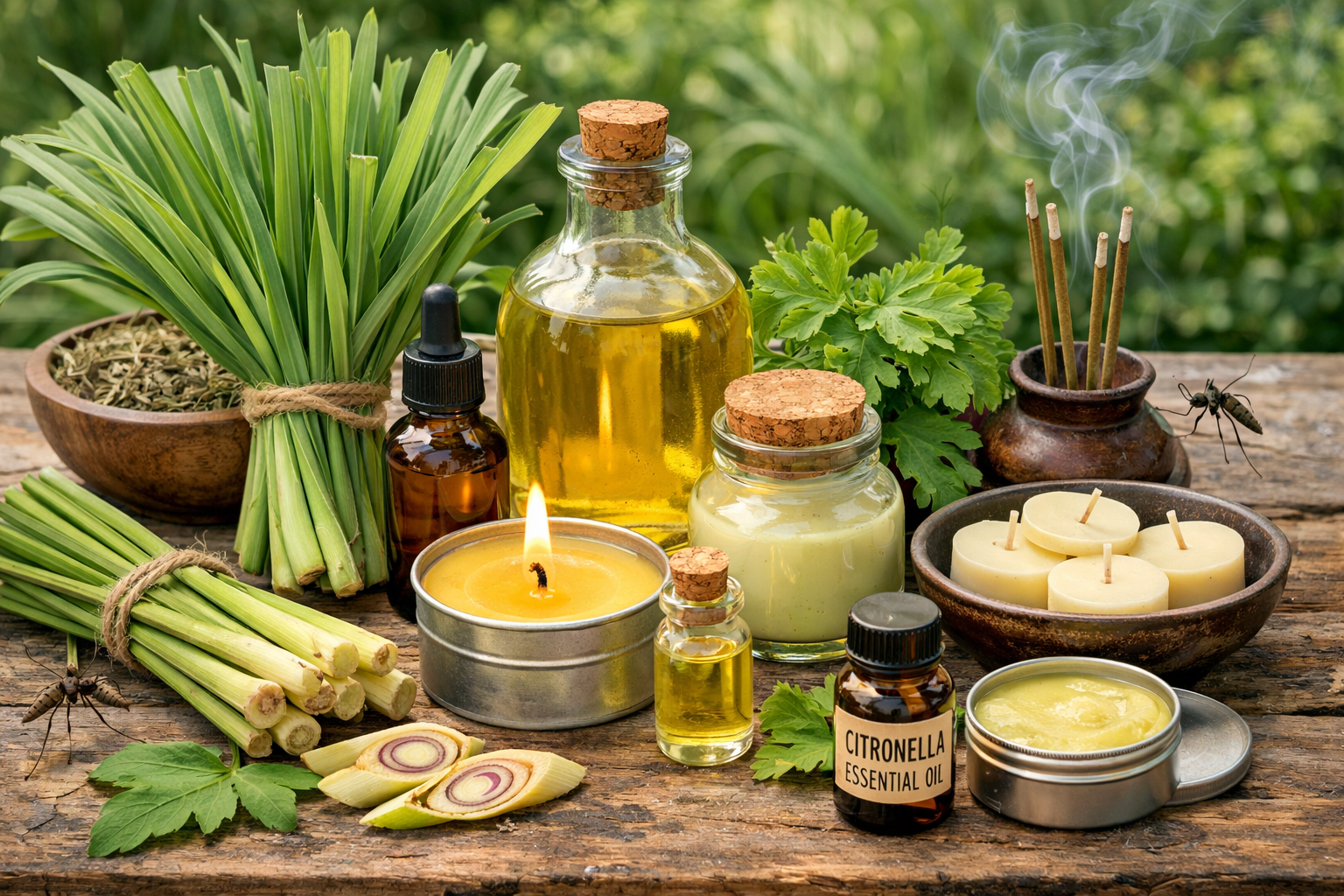
Here is a comprehensive technical guide for Citronella, structured in the same format as the previous guides. All key information for flavorists has been incorporated.
Citronella as a Natural Flavoring: A Comprehensive Technical Guide
The Society of Flavor Chemists requires certified flavorists to be able to identify the plant part used, derivatives, organoleptic characteristics, and major chemical component(s) characterizing the aroma and flavor of the 80 natural flavorings listed on its syllabus for the qualification test and interview. Citronella is included among these essential items.
Introduction
Citronella is a fragrant grass in the Cymbopogon genus (Poaceae family), best known for its use as an insect repellent and in perfumery. However, for flavorists, citronella has a more niche but significant role. Its sharp, fresh, lemony, and slightly floral-herbaceous character can be used to add a unique, bright, and complex citrus note to flavor systems, particularly in applications where a more intense or "wild" lemon profile is desired.
Two main species are commercially cultivated: Java Citronella (Cymbopogon winterianus Jowitt) and Ceylon Citronella (Cymbopogon nardus (L.) Rendle). They have distinct chemical compositions and organoleptic profiles. While citronella is not a primary flavor in most Western cuisines, it is used in traditional dishes in Southeast Asia (similar to lemongrass) and as a unique modifier in beverages, confectionery, and savory applications.
The essential oil is dominated by citronellal, citronellol, and geraniol, which give it a powerful, fresh, lemony, and slightly rosy-floral character. It is a more potent and less delicate alternative to lemongrass oil, with a distinct "soapy" or "perfumey" note that flavorists can leverage for specific effects.
Plant Parts Used
The leaves (herb) are the plant part used for flavoring purposes. The following characteristics are notable:
- Source Plants:
- Java Citronella (Cymbopogon winterianus Jowitt): A robust, tufted perennial grass native to Southeast Asia. It yields an oil with a higher citronellal content.
- Ceylon Citronella (Cymbopogon nardus (L.) Rendle): Another species, traditionally cultivated in Sri Lanka. It yields an oil with a higher geraniol content and a slightly different profile.
- Leaf Description: Long, slender, coarse grass blades, similar in appearance to lemongrass but with a more reddish tint in the stems of some varieties.
- Harvesting: The leaves are harvested when the plant is mature (typically 3–4 months after planting). They are cut, partially dried to reduce moisture content, and then steam-distilled.
- Essential Oil Content: Fresh leaves typically yield 0.3–1.0% essential oil.
The essential oil is obtained by steam distillation of the fresh or partially dried leaves. The crude oil may be rectified (redistilled) to remove terpenes and concentrate the aldehydes and alcohols.
Major Types: Java vs. Ceylon Citronella
Flavorists must distinguish between Java and Ceylon citronella, as they have different chemical compositions and organoleptic profiles.
| Characteristic | Java Citronella (Cymbopogon winterianus) | Ceylon Citronella (Cymbopogon nardus) |
|---|---|---|
| Origin | Indonesia (Java), China, Vietnam | Sri Lanka (Ceylon), India |
| Primary Components | Citronellal (30–45%), citronellol (10–20%), geraniol (15–25%) | Geraniol (20–40%), citronellal (10–20%), citronellol (5–15%) |
| Aroma Profile | Fresh, powerful, lemony, slightly floral, more "soapy" | Softer, more floral, rosy, less harsh |
| Citronellal Content | Higher (30–45%) | Lower (10–20%) |
| Geraniol Content | Moderate (15–25%) | Higher (20–40%) |
| Flavor Character | Intense lemon, sharp, slightly floral | Softer lemon, rosy, floral |
| Primary Use | Flavoring (more common), insect repellent, fragrance | Fragrance (perfumery), soaps, insect repellent |
Derivatives
Citronella is commercially available primarily as an essential oil, though dried leaves are used in some traditional applications.
Essential Oil (Java Citronella)
Production Method: Steam distillation of fresh or partially dried leaves of Cymbopogon winterianus.
Description: Pale yellow to amber-yellow mobile liquid with a characteristic fresh, powerful, lemony, and slightly floral-herbaceous aroma. The oil may darken with age.
Technical Notes: Yield is typically 0.5–1.0% from fresh leaves. The oil is composed primarily of citronellal, citronellol, and geraniol. Storage in a cool, dry place away from light is recommended to prevent oxidation and polymerization.
Essential Oil (Ceylon Citronella)
Production Method: Steam distillation of fresh or partially dried leaves of Cymbopogon nardus.
Description: Pale yellow to amber-yellow mobile liquid with a softer, more floral, rosy, lemony aroma. More commonly used in perfumery than in flavoring.
Technical Notes: Similar yield to Java citronella. The oil has a higher geraniol and lower citronellal content, making it less potent for flavor applications.
Dried Leaves
Production Method: Harvesting and air-drying of citronella leaves.
Description: Dried, coarse grass blades with a characteristic fresh, lemony, herbaceous aroma.
Technical Notes: Dried leaves are used in traditional teas, sachets, and some culinary applications. The leaves are coarse and not typically ground for direct consumption.
Rectified Citronella Oil
Production Method: Redistillation or fractional distillation of the crude essential oil to remove terpenes and concentrate the aldehydes (citronellal) and alcohols (citronellol, geraniol).
Description: Lighter in color and with a cleaner, more focused aroma than the crude oil.
Organoleptic Characteristics
Aroma Profile (Java Citronella)
When evaluated, Java citronella oil reveals a powerful, fresh, and complex aromatic profile:
- Primary Note: Fresh, powerful, lemony, herbaceous
- Citrus: Intense, sharp, lemon-like, slightly lime-like
- Floral: Distinct, rosy, sweet, slightly soapy (from geraniol and citronellol)
- Herbaceous: Grassy, slightly tea-like
- Green: Fresh, leafy, somewhat medicinal
- Aldehydic: Sharp, penetrating top note (from citronellal)
- Woody: Slight, dry undertone
The overall aroma is often described as "an intense, sharp, lemony, and rosy-floral scent with a powerful, penetrating character."
Taste Characteristics
At typical flavor usage levels, Java citronella provides:
- Lemon: Intense, fresh, sharp citrus character
- Floral: Distinct, rose-like, slightly perfumey notes
- Herbaceous: Grassy, green, slightly tea-like
- Bitter: Slight, pleasant bitterness that adds complexity
- Cooling: Slight, fresh sensation
- Soapy: Slightly "perfumey" nuance in higher concentrations
The Key to Citronella's Unique Flavor
Citronella's characteristic fresh, lemony, and rosy-floral character comes from its combination of monoterpene aldehydes and alcohols:
Primary Components:
- Citronellal (30–45% in Java): A monoterpene aldehyde that provides fresh, sharp, lemony, and slightly green notes—the signature character
- Geraniol (15–25% in Java; 20–40% in Ceylon): A monoterpene alcohol that contributes sweet, rosy, floral notes
- Citronellol (10–20% in Java; 5–15% in Ceylon): A monoterpene alcohol that contributes sweet, rosy, slightly citrusy notes
Supporting Components:
- Limonene (1–5%): Contributes fresh, citrus notes
- Citronellyl Acetate (1–3%): Contributes sweet, fruity, floral notes
- Geranyl Acetate (1–3%): Contributes sweet, floral, fruity notes
- Eugenol (trace): Contributes spicy, clove-like warmth
- Camphene (trace): Contributes fresh, camphoraceous top notes
The balance of citronellal (sharp, lemony) with geraniol and citronellol (sweet, rosy, floral) creates citronella's distinctive profile, which is more intense and "perfumey" than lemongrass oil.
Major Chemical Components
Key Aroma Compounds (Java Citronella Oil)
| Component | Typical Percentage | Organoleptic Contribution | CAS No. |
|---|---|---|---|
| Citronellal | 30–45% | Fresh, sharp, lemony, green; characteristic note | 106-23-0 |
| Geraniol | 15–25% | Sweet, rosy, floral | 106-24-1 |
| Citronellol | 10–20% | Sweet, rosy, slightly citrusy | 106-22-9 |
| Limonene | 1–5% | Fresh, citrus | 138-86-3 |
| Citronellyl Acetate | 1–3% | Sweet, fruity, floral | 150-84-5 |
| Geranyl Acetate | 1–3% | Sweet, floral, fruity | 105-87-3 |
| β-Caryophyllene | 1–3% | Woody, spicy | 87-44-5 |
| Elemol | 1–3% | Woody, balsamic | 639-99-6 |
| Camphene | trace–1% | Fresh, camphoraceous | 79-92-5 |
| Eugenol | trace | Spicy, clove-like | 97-53-0 |
Key Aroma Compounds (Ceylon Citronella Oil)
| Component | Typical Percentage | Organoleptic Contribution |
|---|---|---|
| Geraniol | 20–40% | Sweet, rosy, floral |
| Citronellal | 10–20% | Fresh, sharp, lemony |
| Citronellol | 5–15% | Sweet, rosy, citrusy |
| Limonene | 1–5% | Fresh, citrus |
| Geranyl Acetate | 1–5% | Sweet, floral, fruity |
Comparison: Citronella vs. Lemongrass vs. Lemon
| Characteristic | Java Citronella | Lemongrass (Cymbopogon citratus) | Lemon (Citrus limon) |
|---|---|---|---|
| Primary Components | Citronellal, geraniol, citronellol | Citral (neral + geranial) | Limonene, citral |
| Aroma Profile | Sharp, lemony, rosy-floral, soapy | Fresh, lemony, grassy | Bright, fresh, sour, acidic |
| Flavor Character | Intense lemon, floral, perfumey | Clean lemon, herbal, tea-like | Sour, fresh, juicy |
| Potency | Very high | High | Moderate |
| Typical Use | Modifier, Southeast Asian cuisine, novelty beverages | Southeast Asian cuisine, herbal teas | Universal citrus |
Applications in Flavoring
Regulatory Status
Citronella oil is approved as a natural flavoring substance in multiple jurisdictions:
- United States: Citronella oil is listed under 21 CFR §182.20 as a natural flavoring substance. Java citronella has FEMA No. 2308; Ceylon citronella has FEMA No. 2309.
- European Union: Permitted for use in food flavorings under Regulation (EC) No 1334/2008.
- China: Approved food flavor under GB 2760.
Typical Usage Levels (mg/kg)
Citronella oil is used at very low levels due to its high potency and distinctive character. The following usage levels are based on FEMA GRAS determinations and industry standards:
| Application | Java Citronella Oil (mg/kg) | Ceylon Citronella Oil (mg/kg) |
|---|---|---|
| Non-alcoholic beverages | 1–10 | 0.5–5 |
| Alcoholic beverages | 2–20 | 1–15 |
| Baked goods | 2–15 | 1–10 |
| Hard candy | 3–20 | 2–15 |
| Frozen dairy | 1–10 | 0.5–8 |
| Gelatins and puddings | 1–10 | 0.5–8 |
| Soft candy | 2–15 | 1–10 |
| Chewing gum | 2–20 | 1–15 |
| Sauces and marinades | 1–15 | 0.5–10 |
Note: These ranges represent typical industry usage. Citronella is used at very low levels as a modifier; higher levels can result in a soapy or perfumey off-note.
Usage & Dosage Best Practices
Flavorists should observe the following guidelines when working with citronella:
Start Extremely Low: Citronella oil is potent and has a powerful, dominating character. Begin at the lower end of typical usage ranges (e.g., 1–2 mg/kg in beverages) and titrate upward.
Use as a Modifier, Not a Primary Flavor: Citronella is rarely used as a primary flavor. It is most effective as a modifier to add a unique, sharp, lemony, and floral complexity to citrus, herbal, and tropical flavors.
Pre-Dilution: Pre-dilute citronella oil at a ratio of 1:10 in ethanol or propylene glycol for easier handling and more even dispersion.
Select the Correct Species:
- Java Citronella: Use when a strong, sharp, lemony, and slightly "soapy" character is desired. More common in flavor applications.
- Ceylon Citronella: Use when a softer, more floral, rosy character is desired. More common in fragrance.
Flavor Synergies: Citronella pairs exceptionally well with:
- Citrus: Lemon, lime, orange, grapefruit (adds depth and complexity)
- Tropical fruits: Mango, pineapple, passion fruit, coconut (adds a bright, "wild" note)
- Herbs: Lemongrass, lemon balm, verbena, mint, basil, coriander
- Spices: Ginger, cardamom, black pepper
- Florals: Rose, jasmine, neroli, lavender
- Tea: Black tea, green tea, herbal teas
- Southeast Asian flavors: Essential in some traditional dishes
Flavor Applications: Citronella serves as a flavor modifier in:
- Citrus flavors: Adds a unique, sharp, and complex twist to lemon and lime profiles
- Tropical beverages: Adds a bright, exotic note to tropical fruit blends
- Herbal teas: Used in some herbal tea blends for its unique lemony-floral character
- Southeast Asian cuisine: Used in some traditional dishes (similar to lemongrass)
- Confectionery: Hard candies, chewing gum (as a novel citrus note)
- Alcoholic beverages: Used in some craft spirits and cocktails
Fragrance Applications
Citronella is one of the most important materials in perfumery and functional fragrance:
- Insect repellent: The most famous application
- Soaps and detergents: Adds a fresh, clean, lemony scent
- Candles: Widely used in citronella candles
- Masculine fragrances: Used in some cologne formulations
- Functional fragrances: Industrial and household products
Example Formula: Tropical Citrus Beverage Modifier
The following formula demonstrates the use of Java citronella oil as a modifier in a tropical citrus flavor system.
Tropical Citrus Beverage Flavor Concentrate
| Component | Percentage (%) | Function | Technical Note |
|---|---|---|---|
| Java Citronella oil (10% pre-dilution) | 5.0 | Flavor modifier | Adds sharp, lemony, floral complexity |
| Orange oil (cold-pressed) | 30.0 | Primary citrus | Sweet orange |
| Lime oil (distilled) | 20.0 | Citrus brightness | Adds freshness |
| Grapefruit oil | 15.0 | Bitter citrus | Adds depth |
| Mango flavor (natural) | 15.0 | Tropical fruit | Adds sweetness |
| Passion fruit flavor (natural) | 10.0 | Exotic note | Adds complexity |
| Ethanol | 5.0 | Solvent | Food grade |
| Total | 100.0 |
Usage Instructions: Use at 0.05–0.2% in finished beverages. The citronella adds a unique, sharp, and complex top note.
Alternative: Herbal Tea Flavor Blend
| Component | Percentage (%) | Function |
|---|---|---|
| Java Citronella oil (10% pre-dilution) | 10.0 | Sharp, lemony, floral note |
| Lemongrass oil | 30.0 | Fresh, clean lemon |
| Lemon balm flavor | 20.0 | Soft, citrus-herbal |
| Peppermint oil | 15.0 | Cooling, fresh |
| Ginger oil | 10.0 | Warm, spicy |
| Rose flavor | 10.0 | Floral accent |
| Ethanol | 5.0 | Solvent |
| Total | 100.0 |
Usage Instructions: Use at 0.05–0.1% in finished herbal teas.
Alternative: Citronella Tincture
| Component | Percentage (%) | Function |
|---|---|---|
| Java Citronella oil | 10.0 | Active ingredient |
| Ethanol (190 proof) | 90.0 | Solvent |
Method: Mix thoroughly. Store in amber glass bottles.
Usage Instructions: Use 0.1–0.5% in finished products.
Shelf Stability & Storage
Understanding the stability of citronella oil is critical for maintaining flavor quality.
Essential Oil
Storage Recommendation: Store in a full, airtight container in a cool, dry place away from light. Refrigeration is recommended for long-term storage.
Stability Notes: Citronella oil is composed primarily of aldehydes (citronellal) and alcohols (geraniol, citronellol), which are susceptible to oxidation. Citronellal oxidizes to citronellic acid and other products, resulting in loss of fresh, sharp character. Geraniol and citronellol oxidize over time. Shelf life is typically 18–30 months when properly stored.
Dried Leaves
Storage Recommendation: Store in airtight containers in a cool, dry, dark place.
Stability Notes: Dried leaves maintain potency for 12–24 months.
Stability in Finished Products
- Heat stability: Moderate; citronellal and geraniol are heat-sensitive. For baked goods, encapsulated forms may be used.
- pH stability: Aldehydes (citronellal) are susceptible to oxidation and may degrade under strong acidic conditions.
- Oxidation: Susceptible to oxidation; use antioxidants for long-shelf-life products.
- Light sensitivity: Protect from light.
Safety Considerations
General Safety
Citronella oil is generally recognized as safe (GRAS) for use as a flavoring at approved levels (FEMA 2308, 2309). However, it has significant safety considerations, particularly for topical use.
Important Considerations
- Skin Sensitization: Citronella oil can cause skin sensitization and irritation, especially at high concentrations. It is one of the more sensitizing essential oils.
- IFRA Restrictions: Citronella oil is subject to IFRA restrictions for fragrance use due to its sensitization potential.
- Mucous Membrane Irritation: Can be irritating to eyes and mucous membranes.
- Allergies: Citronella may cause allergic reactions in sensitive individuals.
- Pregnancy: Safe in food amounts; concentrated essential oil should be avoided during pregnancy.
Maximum Usage Levels (IFRA)
For fragrance applications, citronella oil is subject to IFRA restrictions. Flavorists developing products for topical applications should consult current IFRA standards.
Skin Safety
- Essential oil: May cause sensitization; dilute properly for topical applications.
- Protective measures: Wear suitable gloves and eye protection when handling concentrated essential oil.
Quality Control & Sourcing
Flavorists should implement the following quality checks when sourcing citronella oil.
Essential Requirements for Certificates of Analysis (COA)
For Java Citronella Oil:
- Botanical identity: Confirmation of Cymbopogon winterianus Jowitt
- Origin: Indonesia (Java), China, Vietnam
- Citronellal content: 30–45% (GC analysis)
- Geraniol content: 15–25%
- Citronellol content: 10–20%
- Physical properties: Specific gravity (0.880–0.910), refractive index (1.465–1.480)
For Ceylon Citronella Oil:
- Botanical identity: Confirmation of Cymbopogon nardus (L.) Rendle
- Origin: Sri Lanka, India
- Geraniol content: 20–40%
- Citronellal content: 10–20%
- Physical properties: Specific gravity (0.890–0.920), refractive index (1.475–1.490)
Common Adulteration Risks
- Dilution with synthetic citronellal or geraniol
- Extension with lemongrass oil (different profile, higher citral)
- Substitution of Java with Ceylon citronella (different profile)
- Addition of terpenes (limonene, camphene) to extend volume
Sourcing Considerations
| Type | Origin | Characteristics |
|---|---|---|
| Java Citronella | Indonesia, China | High citronellal; sharp, lemony, powerful |
| Ceylon Citronella | Sri Lanka, India | High geraniol; softer, floral, rosy |
Traditional and Culinary Applications
Traditional Uses
- Southeast Asian Cuisine: Used in some traditional dishes (similar to lemongrass but more intense).
- Insect Repellent: The most famous and widespread application.
- Perfumery: Used in soaps, detergents, and functional fragrances.
- Traditional Medicine: Used for digestive issues and as a tonic.
Culinary Pairings
Citronella pairs well with:
- Citrus: Lemon, lime, orange, grapefruit
- Tropical Fruits: Mango, pineapple, passion fruit, coconut
- Herbs: Lemongrass, lemon balm, verbena, mint, basil
- Spices: Ginger, cardamom, black pepper
- Florals: Rose, jasmine, lavender
- Tea: Black tea, green tea, herbal blends
- Savory: Seafood, poultry, coconut-based curries
Sustainability and Sourcing
Cultivation Practices
Citronella is cultivated in tropical regions worldwide:
- Indonesia (Java): The primary source of Java citronella; traditional cultivation.
- China: Large-scale production of Java citronella.
- Vietnam: Growing production.
- Sri Lanka: Traditional source of Ceylon citronella.
- India: Significant production of both types.
Quality Considerations
When sourcing citronella, consider:
- Species verification: Java and Ceylon have different profiles and are not interchangeable.
- Origin: Indonesian Java citronella is considered the highest quality for flavor applications.
- Processing: Proper distillation preserves the volatile aldehydes and alcohols.
- Certifications: Organic, non-GMO, fair trade.
Summary
Citronella is a powerful and distinctive natural flavoring, valued for its sharp, fresh, lemony, and rosy-floral character. The two main commercial species—Java Citronella (Cymbopogon winterianus) and Ceylon Citronella (Cymbopogon nardus)—have distinct profiles, with Java being more common in flavor applications due to its higher citronellal content (30–45%) and sharper, more intense character.
Key characteristics:
- Primary components (Java): Citronellal (30–45%), geraniol (15–25%), citronellol (10–20%)
- Aroma profile: Sharp, lemony, rosy-floral, soapy, penetrating
- Typical usage: 1–20 mg/kg (used at very low levels as a modifier)
- Primary applications: Citrus modifiers, tropical beverages, herbal teas, Southeast Asian cuisine
Critical considerations for flavorists:
- Extreme potency: Use at very low levels; start at 1–2 mg/kg.
- Use as a modifier: Rarely used as a primary flavor; best for adding complexity.
- Distinguish Java from Ceylon: Java is sharper and more lemony; Ceylon is softer and more floral.
- Flavor synergies: Pairs with citrus, tropical fruits, lemongrass, ginger.
- Stability: Susceptible to oxidation; store properly.
- Sensitization: Known skin sensitizer; handle with care.
References and Further Reading
The information presented in this guide is synthesized from:
- Regulatory documents from FDA, FEMA (Nos. 2308, 2309), and international food safety authorities.
- Published scientific literature on Cymbopogon winterianus and Cymbopogon nardus.
- Standard textbooks on natural flavoring materials.
- Industry technical data from major suppliers.
- IFRA standards for citronella oil.
Key References:
- FEMA Flavor Ingredient Library: Citronella Oil (Java) (FEMA 2308), Citronella Oil (Ceylon) (FEMA 2309)
- Journal of Essential Oil Research: Citronella oil composition studies
- TGSC Information System: Citronella Oil
Disclaimer: This article is for informational purposes only. When using citronella in commercial products, always verify current regulatory status in your jurisdiction, conduct appropriate safety assessments, and source ingredients from reputable suppliers who can provide documentation of botanical identity, origin, and quality. Java and Ceylon citronella have different profiles and are not interchangeable. Citronella oil is a known skin sensitizer; handle with appropriate precautions. The formulas and usage levels provided are illustrative examples and may require adjustment based on specific product requirements and regulatory compliance.
###