Cumin as a Natural Flavoring: A Comprehensive Technical Guide
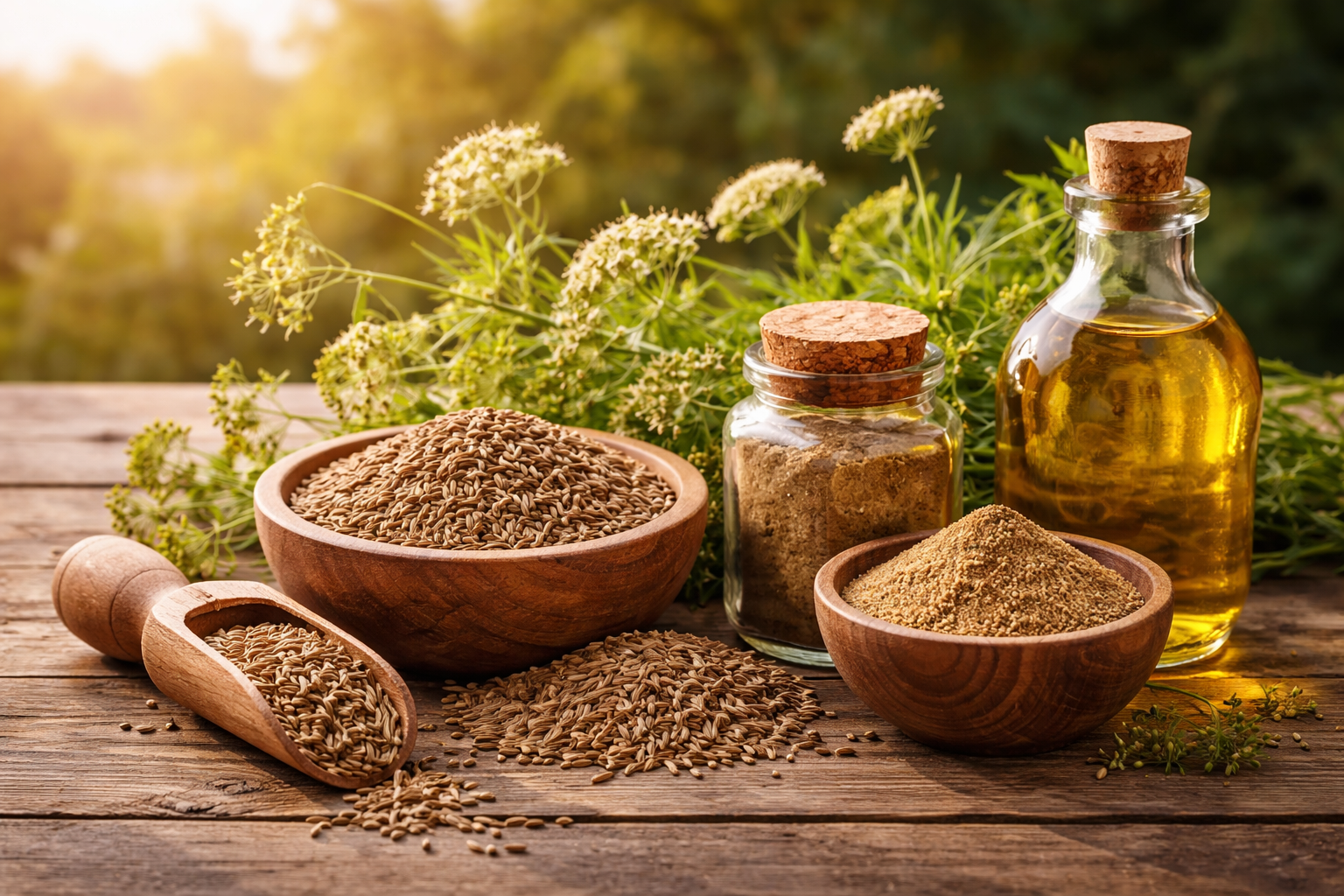
Here is a comprehensive technical guide for Cumin, structured in the same format as the previous guides. All key information for flavorists has been incorporated.
Cumin as a Natural Flavoring: A Comprehensive Technical Guide
The Society of Flavor Chemists requires certified flavorists to be able to identify the plant part used, derivatives, organoleptic characteristics, and major chemical component(s) characterizing the aroma and flavor of the 80 natural flavorings listed on its syllabus for the qualification test and interview. Cumin is included among these essential items.
Introduction
Cumin (Cuminum cyminum L.) is one of the oldest and most widely used spices in the world, with a history spanning over 5,000 years. Native to the eastern Mediterranean and Egypt, cumin has been cultivated since ancient times and was prized by the Egyptians, Greeks, and Romans. Today, it is the second most popular spice globally (after black pepper) and is indispensable in the cuisines of India, the Middle East, Mexico, and North Africa.
For flavorists, cumin offers a distinctive, warm, earthy, and slightly pungent character with a unique "sweaty" or "animalic" undertone that makes it instantly recognizable. Its essential oil is dominated by cuminaldehyde (p-isopropylbenzaldehyde), which provides the characteristic cumin note, supported by γ-terpinene, β-pinene, and other terpenes that contribute fresh, herbaceous, and spicy nuances.
A critical consideration for flavorists is the potency of cumin—it is a powerful spice that can easily dominate a formulation. Used skillfully, however, it adds depth, warmth, and authenticity to curry powders, chili blends, meat dishes, and savory applications.
Plant Parts Used
The seeds (fruits) are the plant part used for flavoring purposes. The following characteristics are notable:
- Source Plant: Cuminum cyminum L., a member of the Apiaceae (umbellifer) family, which also includes coriander, caraway, fennel, and parsley.
- Seed Description: Small, elongated, oval seeds, approximately 4–6 mm in length, with a distinctive ridged surface. The seeds are typically yellow-brown to dark brown (sometimes black in certain varieties). They have a characteristic warm, earthy, pungent aroma when crushed.
- Harvesting: The seeds are harvested when the plant matures and the seeds turn brown (typically 4–5 months after planting). The seed heads are cut, dried, and threshed.
- Essential Oil Content: Dried cumin seeds typically yield 1.5–4.5% essential oil.
The essential oil is obtained by steam distillation of the crushed, dried seeds. The oil is often rectified (redistilled) to remove undesirable high-boiling fractions.
Derivatives
Cumin is commercially available in several forms. The following details include technical specifications important for procurement and formulation.
Essential Oil
Production Method: Steam distillation of crushed, dried cumin seeds.
Description: Pale yellow to amber-yellow mobile liquid with a characteristic warm, earthy, pungent, and slightly spicy aroma. The oil has a distinctive "cumin" note that is both penetrating and persistent.
Technical Notes: Yield is typically 1.5–4.5% from dried seeds. The oil is composed primarily of cuminaldehyde (20–40%), γ-terpinene (15–35%), β-pinene (10–20%), and other monoterpenes. Storage in a cool, dry place away from light is recommended to prevent oxidation.
Seeds (Whole and Ground)
Production Method: Harvesting and drying of mature seeds. Ground cumin is produced by milling the dried seeds.
Description: Whole seeds are small, elongated, yellow-brown to dark brown, with a characteristic warm, earthy, pungent aroma when crushed. Ground cumin is a light brown to tan powder.
Technical Notes: Whole seeds maintain potency longer than ground seeds. Ground seeds are more susceptible to oxidation and volatile loss. Store in airtight containers away from light and heat.
Oleoresin
Production Method: Solvent extraction of ground cumin seeds, followed by solvent removal.
Description: Dark green to brown viscous liquid containing both volatile and non-volatile components. Provides a more complete flavor profile than essential oil alone, including non-volatile bitter and resinous compounds.
Technical Notes: Often standardized to a specific cuminaldehyde content.
CO₂ Extract
Production Method: Supercritical carbon dioxide extraction of cumin seeds.
Description: Yields a clean, solvent-free extract containing the full spectrum of volatile components. Often considered superior in freshness and fidelity to the original seed.
Organoleptic Characteristics
Aroma Profile
When evaluated, cumin seed oil reveals a powerful, warm, and distinctive aromatic profile:
- Primary Note: Warm, earthy, pungent, spicy
- Cuminaldehyde Character: Sharp, green, slightly aldehydic, characteristic cumin note
- Earthy: Deep, root-like, "sweaty," animalic undertones
- Spicy: Warm, peppery, slightly bitter
- Herbal: Fresh, green, slightly tea-like top notes
- Woody: Subtle, dry, cedar-like undertones
- Citrus: Slight, lemon-like, bergamot-like nuances (from γ-terpinene and other terpenes)
The overall aroma is often described as "warm, earthy, pungent, and unmistakably cumin, with a characteristic 'sweaty' undertone that is both distinctive and essential to its character."
Taste Characteristics
At typical usage levels, cumin provides:
- Warm: Deep, lingering warmth
- Earthy: Rich, ground, savory character
- Pungent: Slightly sharp, penetrating
- Bitter: Distinct, pleasant bitterness that adds depth
- Spicy: Warm, peppery notes
- Slightly Sour: Subtle, aldehydic brightness
The Key to Cumin's Unique Flavor
Cumin's characteristic warm, earthy, pungent flavor comes from a combination of aldehydes, terpenes, and other compounds:
Primary Components:
- Cuminaldehyde (20–40%): A phenolic aldehyde that provides sharp, green, aldehydic, characteristic cumin notes—the signature character
- γ-Terpinene (15–35%): A monoterpene hydrocarbon that contributes fresh, herbaceous, citrusy, slightly spicy notes
- β-Pinene (10–20%): A monoterpene hydrocarbon that contributes woody, pine-like, fresh notes
- p-Cymene (5–15%): A monoterpene hydrocarbon that contributes woody, spicy, slightly medicinal notes
Supporting Components:
- β-Caryophyllene (1–5%): Contributes woody, spicy notes
- Terpinen-4-ol (1–3%): Contributes spicy, earthy notes
- Cuminyl Alcohol (trace–1%): Contributes sweet, balsamic notes
- Safranal (trace): Contributes saffron-like, spicy notes
The combination of cuminaldehyde (sharp, aldehydic) with γ-terpinene and p-cymene (fresh, herbaceous, woody) creates the distinctive cumin profile that is both powerful and complex. The "sweaty" or "animalic" note characteristic of cumin is primarily attributed to cuminaldehyde and its interaction with other components.
Major Chemical Components
Key Aroma Compounds (Cumin Seed Oil)
| Component | Typical Percentage | Organoleptic Contribution | CAS No. |
|---|---|---|---|
| Cuminaldehyde | 20–40% | Sharp, green, aldehydic, characteristic cumin note | 122-03-2 |
| γ-Terpinene | 15–35% | Fresh, herbaceous, citrusy, slightly spicy | 99-85-4 |
| β-Pinene | 10–20% | Woody, pine-like, fresh | 127-91-3 |
| p-Cymene | 5–15% | Woody, spicy, slightly medicinal | 99-87-6 |
| β-Caryophyllene | 1–5% | Woody, spicy, clove-like | 87-44-5 |
| Terpinen-4-ol | 1–3% | Spicy, earthy | 562-74-3 |
| α-Pinene | 1–3% | Fresh, pine, woody | 80-56-8 |
| Limonene | 1–3% | Fresh, citrus | 138-86-3 |
| Cuminyl Alcohol | trace–1% | Sweet, balsamic | 536-60-7 |
| Safranal | trace | Saffron-like, spicy | 116-26-7 |
Comparison: Cumin vs. Caraway vs. Coriander
| Characteristic | Cumin (Cuminum cyminum) | Caraway (Carum carvi) | Coriander (Coriandrum sativum) |
|---|---|---|---|
| Primary Component | Cuminaldehyde (20–40%) | Carvone (45–65%) | Linalool (60–80%) |
| Aroma Profile | Warm, earthy, pungent, "sweaty" | Warm, pungent, anise-like | Sweet, floral, citrusy |
| Flavor Character | Bold, earthy, penetrating | Sharp, sweet, anise-like | Delicate, aromatic |
| Typical Use | Curry, chili, Mexican cuisine | Rye bread, pickles, cheese | Spice blends, meats, pickles |
Applications in Flavoring
Regulatory Status
Cumin and its derivatives are approved as natural flavoring substances in multiple jurisdictions:
- United States: Cumin seed is generally recognized as safe (GRAS). Cumin oil is listed under 21 CFR §182.20 as a natural flavoring substance (FEMA No. 2343 for oil, 2342 for seed).
- European Union: Permitted for use in food flavorings under Regulation (EC) No 1334/2008.
- China: Approved food flavor under GB 2760.
Typical Usage Levels (mg/kg)
The following usage levels are based on FEMA GRAS determinations and industry standards:
| Application | Cumin Oil (mg/kg) | Ground Cumin (mg/kg) |
|---|---|---|
| Non-alcoholic beverages | 1–10 | N/A |
| Alcoholic beverages | 2–20 | 50–200 (infusion) |
| Baked goods | 2–15 | 100–500 |
| Hard candy | 3–20 | N/A |
| Frozen dairy | 1–10 | 50–300 |
| Gelatins and puddings | 1–10 | 50–300 |
| Soft candy | 2–15 | N/A |
| Meat products | 5–50 | 200–1,500 |
| Sauces and marinades | 5–40 | 200–1,000 |
| Curry blends | 20–200 (in blend) | 500–3,000 |
Note: These ranges represent typical industry usage. Cumin is potent; start low and titrate upward.
Usage & Dosage Best Practices
Flavorists should observe the following guidelines when working with cumin:
Start Low, Titrate: Cumin is a powerful spice that can easily dominate a formulation. Begin at the lower end of typical usage ranges (e.g., 1–5 mg/kg in beverages) and adjust upward.
Use as a Modifier or Primary Flavor: Cumin can serve as a primary flavor (e.g., in cumin-flavored crackers) or as a modifier to add depth and warmth to curry, chili, and meat flavors.
Pre-Dilution: Pre-dilute cumin oil in ethanol or propylene glycol for easier handling and more even dispersion in aqueous applications.
Flavor Synergies: Cumin pairs exceptionally well with:
- Spices: Coriander, black pepper, chili, turmeric, ginger, cardamom, cinnamon, fenugreek
- Herbs: Cilantro (coriander leaf), mint, parsley, oregano
- Alliums: Garlic, onion
- Acids: Lemon, lime, vinegar
- Meats: Lamb, beef, poultry, pork
- Legumes: Lentils, chickpeas, beans
- Vegetables: Carrot, tomato, eggplant, potato
- Rice: Pilafs, biryani
Flavor Applications: Cumin serves as a primary flavor or modifier in:
- Curry powders: Essential component in most curry blends
- Chili: Tex-Mex and Mexican cuisine
- Indian cuisine: Garam masala, jeera rice, dal, tandoori dishes
- Middle Eastern cuisine: Baharat, falafel, hummus, kebabs
- Mexican cuisine: Tacos, enchiladas, chili con carne, salsas
- North African cuisine: Ras el hanout, tagines, couscous
- Meat products: Sausages, marinades, rubs
- Snack foods: Cumin-flavored chips, crackers, nuts
Fragrance Applications
Cumin oil is used in perfumery for:
- Spicy fragrances: Adds warm, earthy, pungent character
- Oriental compositions: Contributes to complex spice accords
- Masculine fragrances: Adds depth and warmth
- Gourmand fragrances: Contributes to savory, culinary-inspired profiles
Blends well with: Coriander, black pepper, cardamom, cinnamon, clove, cedarwood, vetiver, leather notes.
Example Formula: Curry Powder Flavor Base
The following formula demonstrates the use of cumin oil as a primary component in a curry powder flavor system.
Curry Powder Flavor Concentrate (Oil-Based)
| Component | Percentage (%) | Function | Technical Note |
|---|---|---|---|
| Cumin oil | 25.0 | Primary earthy, pungent base | Essential curry component |
| Coriander oil | 20.0 | Sweet, floral balance | Adds sweetness |
| Turmeric oleoresin | 15.0 | Color and earthy note | Adds yellow color |
| Fenugreek extract | 10.0 | Savory, maple-like note | Adds depth |
| Black pepper oil | 10.0 | Spicy warmth | Adds bite |
| Cardamom oil | 5.0 | Floral, spicy note | Adds complexity |
| Ginger oil | 5.0 | Warm, pungent note | Adds freshness |
| Chili oil (capsicum) | 5.0 | Heat | Adjust to desired pungency |
| Cinnamon oil | 3.0 | Warm spice | Adds sweetness |
| Clove oil | 2.0 | Spicy accent | Adds warmth |
| Total | 100.0 |
Usage Instructions: Use at 0.05–0.2% in finished products. For dry curry blends, spray onto a carrier or blend with other ground spices.
Alternative: Taco Seasoning Flavor
| Component | Percentage (%) | Function |
|---|---|---|
| Cumin oil | 30.0 | Primary earthy, pungent base |
| Chili oil | 20.0 | Heat and color |
| Paprika oleoresin | 15.0 | Sweet pepper and color |
| Coriander oil | 10.0 | Sweet, floral balance |
| Oregano oil | 10.0 | Herbal note |
| Garlic oil | 5.0 | Savory note |
| Onion oil | 5.0 | Savory note |
| Black pepper oil | 5.0 | Spicy warmth |
| Total | 100.0 |
Usage Instructions: Use at 0.1–0.3% in taco seasoning blends.
Alternative: Cumin Tincture
| Component | Percentage (%) | Function |
|---|---|---|
| Cumin seeds (crushed) | 20.0 | Active ingredient |
| Ethanol (190 proof) | 80.0 | Solvent |
Method: Crush seeds to expose interior. Combine with ethanol in a sealed container. Allow to macerate for 7–14 days, shaking daily. Filter. Store in amber glass bottles.
Usage Instructions: Use 0.1–0.5% in finished products.
Shelf Stability & Storage
Understanding the stability of cumin ingredients is critical for maintaining flavor quality.
Essential Oil
Storage Recommendation: Store in a full, airtight container in a cool, dry place away from light. Refrigeration is recommended for long-term storage.
Stability Notes: Cumin oil contains cuminaldehyde (an aldehyde) and various terpenes, all of which are susceptible to oxidation. Cuminaldehyde oxidizes to cumic acid, resulting in loss of fresh, pungent character. Terpenes (γ-terpinene, β-pinene) oxidize over time. Shelf life is typically 18–30 months when properly stored.
Seeds (Whole)
Storage Recommendation: Store in airtight containers in a cool, dry, dark place.
Stability Notes: Whole seeds maintain potency for 2–3 years.
Seeds (Ground)
Storage Recommendation: Store in airtight, opaque containers; use within 6–12 months.
Stability Notes: Ground cumin loses volatile oils rapidly and develops a musty, stale character.
Stability in Finished Products
- Heat stability: Moderate; cuminaldehyde and terpenes are heat-sensitive. For baked goods, slightly higher usage levels may be required.
- pH stability: Stable across typical food pH range.
- Oxidation: Susceptible to oxidation; use antioxidants for long-shelf-life products.
- Light sensitivity: Protect from light.
Safety Considerations
General Safety
Cumin and its derivatives are generally recognized as safe (GRAS) for use as flavorings at approved levels (FEMA 2342, 2343).
Important Considerations
- Allergies: Cumin is in the Apiaceae family. Individuals allergic to other members (celery, carrot, coriander, fennel) may experience cross-reactivity.
- Pregnancy: Safe in food amounts; concentrated essential oil should be used with caution during pregnancy.
- Skin irritation: May cause skin irritation in sensitive individuals. Cuminaldehyde is a known skin sensitizer.
- Photosensitivity: Not known to be phototoxic.
Maximum Usage Levels (IFRA)
For fragrance applications, cumin oil is subject to IFRA restrictions due to its cuminaldehyde content. Flavorists developing products for topical applications should consult current IFRA standards.
Skin Safety
- Essential oil: May cause sensitization; dilute properly for topical applications.
- Protective measures: Wear suitable gloves when handling concentrated essential oil.
Quality Control & Sourcing
Flavorists should implement the following quality checks when sourcing cumin ingredients.
Essential Requirements for Certificates of Analysis (COA)
For Cumin Seed Oil:
- Botanical identity: Confirmation of Cuminum cyminum L.
- Origin: Specify country of origin (India, Iran, Turkey, China, Syria, etc.)
- Cuminaldehyde content: 20–40% (GC analysis)
- γ-Terpinene content: 15–35%
- β-Pinene content: 10–20%
- Physical properties: Specific gravity (0.900–0.940), refractive index (1.490–1.510), optical rotation (-5° to +10°)
For Ground Cumin:
- Botanical identity: Cuminum cyminum
- Essential oil content: 1.5–4.5%
- Physical appearance: Light brown to tan powder
Common Adulteration Risks
- Essential oil: Dilution with synthetic cuminaldehyde; extension with less expensive terpenes (pinene, terpinene); mislabeling of origin; use of black cumin (Bunium bulbocastanum) oil (different profile)
- Ground cumin: Adulteration with other spices, fillers, or colored sawdust; use of lower-quality seeds
Sourcing Considerations
| Origin | Characteristics |
|---|---|
| India | Largest producer; high-quality, well-balanced profile; used in most applications |
| Iran | Traditional origin; high-quality; rich, complex flavor |
| Turkey | Good quality; European origin |
| China | Large producer; good quality; often more economical |
| Syria | Traditional origin; high-quality |
Traditional and Culinary Applications
Traditional Uses
- Indian: Essential in curry powders, garam masala, jeera rice, dal, tandoori dishes, chutneys
- Mexican: Essential in tacos, enchiladas, chili con carne, salsas, refried beans
- Middle Eastern: Used in baharat, falafel, hummus, kebabs, rice pilafs
- North African: Used in ras el hanout, tagines, couscous
- European: Used in some sausages, cheeses, and breads
- Ancient: Used in Egyptian, Greek, and Roman cuisines
Culinary Pairings
Cumin pairs well with:
- Proteins: Lamb, beef, poultry, pork, fish
- Legumes: Lentils, chickpeas, beans
- Vegetables: Carrot, tomato, eggplant, potato, cauliflower, pumpkin
- Spices: Coriander, black pepper, chili, turmeric, ginger, cardamom, cinnamon
- Herbs: Cilantro, mint, parsley, oregano
- Alliums: Garlic, onion
- Acids: Lemon, lime, vinegar, yogurt
- Grains: Rice, couscous, bulgur
Sustainability and Sourcing
Cultivation Practices
Cumin is cultivated in warm, temperate regions worldwide:
- India: World's largest producer and consumer; grown primarily in Gujarat, Rajasthan, and Madhya Pradesh
- Iran: Traditional origin; high-quality production
- Turkey: Major producer; good quality
- China: Large-scale production
- Syria: Traditional origin; smaller production
Quality Considerations
When sourcing cumin, consider:
- Origin: Indian and Iranian cumin are traditionally considered the highest quality.
- Seed color: Uniform, dark brown seeds indicate good quality.
- Essential oil content: Higher oil content (3–4%) indicates better quality.
- Certifications: Organic, non-GMO, fair trade.
Summary
Cumin (Cuminum cyminum) is one of the world's most important spices, prized for its warm, earthy, pungent, and unmistakably distinctive character. Its essential oil is dominated by cuminaldehyde (20–40%) , supported by γ-terpinene (15–35%) and β-pinene (10–20%) , creating a profile that is both powerful and complex.
Key characteristics:
- Primary component: Cuminaldehyde (20–40%)
- Aroma profile: Warm, earthy, pungent, "sweaty," spicy
- Typical usage: Essential oil 1–200 mg/kg; ground 50–3,000 mg/kg
- Primary applications: Curry powders, chili, Mexican cuisine, Indian cuisine, Middle Eastern cuisine, meat products
Critical considerations for flavorists:
- Potency: Cumin is powerful; start low and titrate.
- Distinctive character: The "sweaty" note is characteristic and essential; cannot be replicated.
- Flavor synergies: Pairs with coriander, black pepper, chili, garlic, cilantro, and acids.
- Stability: Cuminaldehyde and terpenes are susceptible to oxidation; store properly.
- Origin matters: Indian and Iranian cumin are traditionally considered the highest quality.
- Distinguish from black cumin: Black cumin (Bunium bulbocastanum) is a different spice with a different profile.
References and Further Reading
The information presented in this guide is synthesized from:
- Regulatory documents from FDA, FEMA (Nos. 2342, 2343), and international food safety authorities.
- Published scientific literature on Cuminum cyminum.
- Standard textbooks on natural flavoring materials.
- Industry technical data from major suppliers.
- Traditional culinary knowledge documented in public domain sources.
Key References:
- FEMA Flavor Ingredient Library: Cumin Oil (FEMA 2343), Cumin Seed (FEMA 2342)
- USP Food Chemicals Codex (FCC) monographs
- Journal of Essential Oil Research: Cumin oil composition studies
- Economic Botany: Cumin cultivation and history
- TGSC Information System: Cumin Oil
Disclaimer: This article is for informational purposes only. When using cumin in commercial products, always verify current regulatory status in your jurisdiction, conduct appropriate safety assessments, and source ingredients from reputable suppliers who can provide documentation of botanical identity, origin, and quality. Cumin is a potent spice; use at appropriate levels. The formulas and usage levels provided are illustrative examples and may require adjustment based on specific product requirements and regulatory compliance.
###