Fenugreek as a Natural Flavoring: A Comprehensive Technical Guide
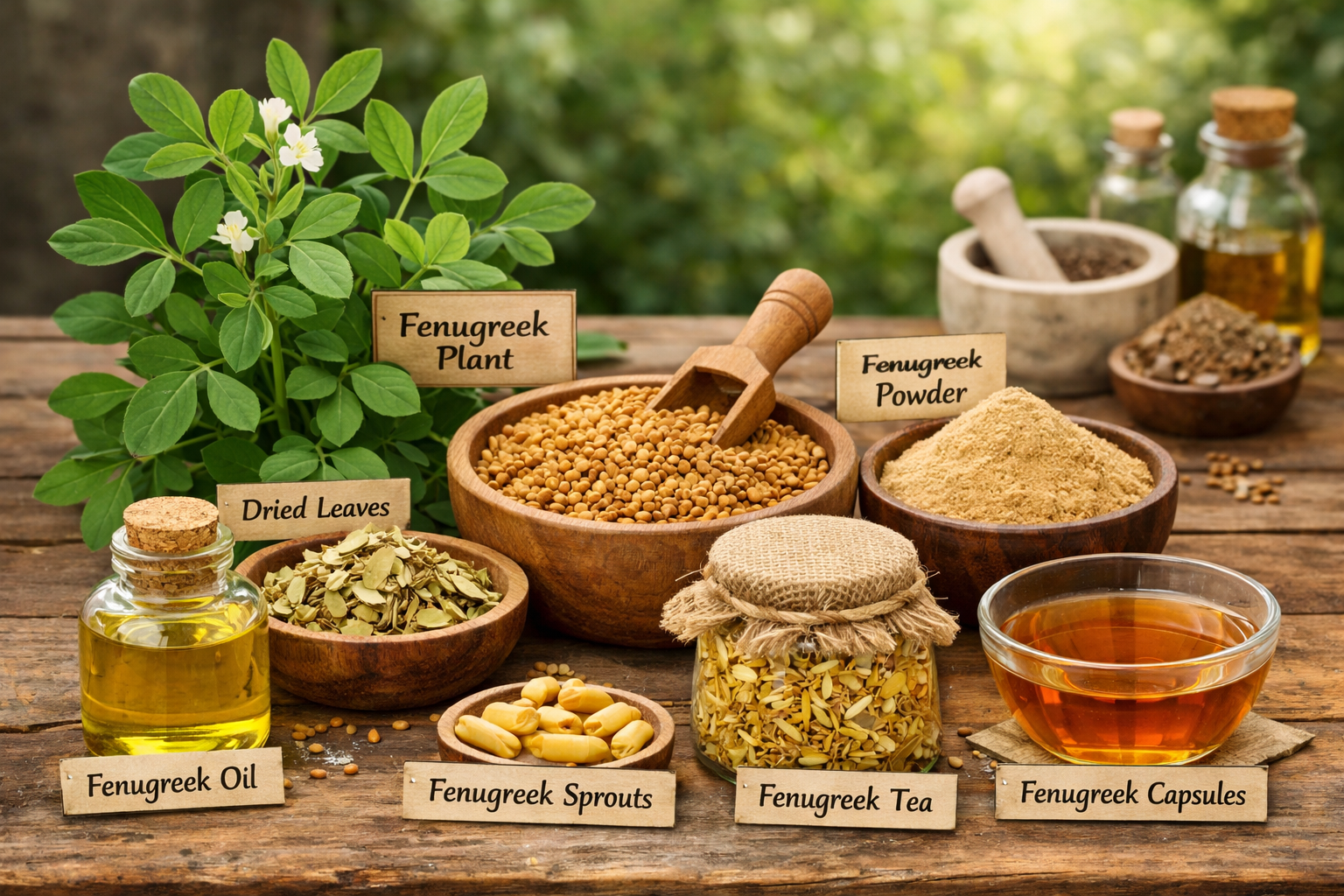
Here is a comprehensive technical guide for Fenugreek, structured in the same format as the previous guides. All key information for flavorists has been incorporated.
Fenugreek as a Natural Flavoring: A Comprehensive Technical Guide
The Society of Flavor Chemists requires certified flavorists to be able to identify the plant part used, derivatives, organoleptic characteristics, and major chemical component(s) characterizing the aroma and flavor of the 80 natural flavorings listed on its syllabus for the qualification test and interview. Fenugreek is included among these essential items.
Introduction
Fenugreek (Trigonella foenum-graecum L.) is an annual herb in the Fabaceae (legume) family, native to the Mediterranean region, Western Asia, and the Indian subcontinent. One of the oldest cultivated medicinal plants, fenugreek has been used for over 4,000 years in Egyptian, Greek, Roman, and Indian traditions. Its seeds are the primary source of its distinctive flavor, which is sweet, nutty, maple-like, and slightly bitter with a characteristic celery-like or burnt-sugar undertone.
For flavorists, fenugreek is valued for its unique ability to impart a maple syrup or caramel character without the use of actual maple, as well as for its savory, nutty, and slightly bitter notes that add depth to curry powders, spice blends, and imitation maple flavors. The key to its character lies in the compound sotolon (4,5-dimethyl-3-hydroxy-2(5H)-furanone), which is present in trace amounts but has an extremely low odor threshold and provides the characteristic maple-caramel note.
Fenugreek is also used in traditional medicine and is valued for its potential health benefits, including galactagogue (milk-boosting) properties. For flavorists, it is a versatile tool for creating natural, complex, and authentic savory and sweet profiles.
Plant Parts Used
The seeds are the plant part used for flavoring purposes. The following characteristics are notable:
- Source Plant: Trigonella foenum-graecum L., a member of the Fabaceae (legume) family.
- Seed Description: Small, hard, flattened, angular, yellowish-brown to amber seeds, approximately 3–5 mm in length. The seeds have a characteristic bitter taste when raw and a sweet, nutty, maple-like aroma when roasted.
- Harvesting: The seeds are harvested when the pods ripen and turn yellow (typically 4–5 months after planting). The plants are cut, dried, and threshed.
- Processing: Raw fenugreek seeds have a bitter, unpleasant taste. Roasting is essential to develop the characteristic sweet, nutty, maple-like flavor. The seeds are typically roasted at 100–150°C, which transforms the flavor profile.
- Essential Oil Content: Dried fenugreek seeds yield a very low amount of essential oil (0.1–0.5%), which is not commercially significant. Instead, extracts and oleoresins are the primary forms used.
The volatile aroma compounds in fenugreek are primarily produced during roasting via the Maillard reaction. The key compound, sotolon, is formed from the reaction of amino acids and sugars.
Derivatives
Fenugreek is commercially available in several forms, with extracts and oleoresins being the most important for flavorists.
Fenugreek Extract (Liquid)
Production Method: Solvent extraction (typically water, ethanol, or water-ethanol mixtures) of roasted fenugreek seeds, followed by concentration.
Description: Dark brown to reddish-brown viscous liquid with a characteristic sweet, nutty, maple-like, caramel, and slightly bitter aroma. The extract is rich in sotolon and other Maillard reaction products.
Technical Notes: The extract is water-soluble and easy to incorporate. It is often standardized to a specific color or flavor intensity.
Fenugreek Oleoresin
Production Method: Solvent extraction of roasted fenugreek seeds, followed by solvent removal to produce a concentrated resinous material.
Description: Dark brown viscous liquid or semi-solid with a very intense sweet, maple-like, nutty, and slightly bitter aroma.
Technical Notes: The oleoresin contains both volatile and non-volatile components. It is less water-soluble than the extract and may require emulsification for aqueous applications.
Fenugreek Powder (Roasted and Ground)
Production Method: Roasting and grinding of fenugreek seeds.
Description: Light brown to dark brown powder with a characteristic sweet, nutty, maple-like, and slightly bitter aroma.
Technical Notes: The powder is used in spice blends and dry mixes. It is hygroscopic and should be stored in airtight containers.
Fenugreek Absolute
Production Method: Solvent extraction of roasted fenugreek seeds, followed by alcohol washing.
Description: Dark brown viscous liquid with an intense, sweet, maple-like aroma.
Organoleptic Characteristics
Aroma Profile (Roasted Fenugreek Extract)
When evaluated, roasted fenugreek extract reveals a complex, warm, and distinctive aromatic profile:
- Primary Note: Sweet, nutty, maple-like, caramel
- Sotolon Character: Intensely sweet, maple syrup, caramel, burnt sugar—the signature note
- Nutty: Toasted almond, hazelnut-like notes
- Bitter: Pleasant, coffee-like bitterness that adds complexity
- Celery-like: Subtle, herbaceous, slightly savory undertone
- Spicy: Warm, slightly fenugreek-specific spice note
- Earthy: Root-like, slightly woody
- Curry-like: Reminiscent of curry powder (fenugreek is a key component)
The overall aroma is often described as "sweet, nutty, maple-like, and caramelized with a distinct, slightly bitter, and savory undertone."
Taste Characteristics
At typical usage levels, roasted fenugreek provides:
- Sweet: Pronounced, maple-syrup-like sweetness
- Nutty: Warm, toasted nut character
- Caramel: Burnt-sugar, caramelized notes
- Bitter: Pleasant, coffee-like bitterness that adds depth and authenticity
- Savory: Subtle, celery-like, herbaceous undertones
- Umami: Slight, brothy, savory enhancement
The Key to Fenugreek's Unique Flavor
Fenugreek's characteristic sweet, maple-like, nutty flavor is primarily due to sotolon (4,5-dimethyl-3-hydroxy-2(5H)-furanone), a furanone that is formed during the roasting process via the Maillard reaction.
Primary Aroma Compound:
- Sotolon (4,5-dimethyl-3-hydroxy-2(5H)-furanone): A furanone with an extremely low odor threshold (0.004–0.01 ppb in water). It provides an intensely sweet, maple syrup, caramel, and burnt sugar aroma. This is the key character-impact compound for fenugreek.
Supporting Aroma Compounds:
- Solotone (4-methyl-5-hydroxy-3(2H)-furanone): Contributes sweet, caramel, and fruity notes
- Maltol: Contributes sweet, caramel, cotton-candy-like notes
- Furfuryl Alcohol: Contributes sweet, caramel, bready notes
- Diacetyl: Contributes buttery, sweet notes
- Various Pyrazines: Contribute nutty, roasted notes
Non-Volatile Components:
- Steroidal Saponins (Fenugreekine, Diosgenin): Contribute bitterness and potential health benefits
- Galactomannan (Fiber): Contributes to texture and mouthfeel in whole seed applications
- Proteins and Sugars: Maillard reaction precursors
Major Chemical Components
Key Aroma Compounds (Roasted Fenugreek)
| Component | Typical Concentration | Organoleptic Contribution | CAS No. |
|---|---|---|---|
| Sotolon | Trace (ppb range) | Intensely sweet, maple syrup, caramel, burnt sugar; characteristic fenugreek note | 28664-35-9 |
| Solotone | Trace | Sweet, caramel, fruity | 4166-20-5 |
| Maltol | Trace | Sweet, caramel, cotton candy | 118-71-8 |
| Diacetyl | Trace | Buttery, sweet | 431-03-8 |
| Furfuryl Alcohol | Trace | Sweet, caramel, bready | 98-00-0 |
| Pyrazines | Trace | Nutty, roasted | Various |
Comparison: Fenugreek vs. Maple vs. Burnt Sugar
| Characteristic | Fenugreek (roasted) | Maple Syrup | Burnt Sugar / Caramel |
|---|---|---|---|
| Key Compound | Sotolon | Sotolon (trace), maple furanone | Maltol, furanones |
| Aroma Profile | Sweet, maple, nutty, bitter, savory | Sweet, maple, woody | Sweet, burnt, caramel |
| Flavor Character | Complex, bitter-sweet, savory | Pure sweet, woody | Sweet, burnt, caramelized |
| Typical Use | Imitation maple, curry, spice blends | Pancakes, confectionery | Candies, desserts |
Applications in Flavoring
Regulatory Status
Fenugreek and its derivatives are approved as natural flavoring substances:
- United States: Fenugreek seed is generally recognized as safe (GRAS). Fenugreek extract and oleoresin are considered natural flavorings (FEMA No. 2484 for fenugreek).
- European Union: Permitted for use in food flavorings under Regulation (EC) No 1334/2008.
- China: Approved food ingredient.
Typical Usage Levels (mg/kg or %)
The following usage levels are based on industry standards. Fenugreek is potent and used at low levels.
| Application | Fenugreek Extract (mg/kg solids) | Fenugreek Oleoresin (mg/kg) | Ground Fenugreek (%) |
|---|---|---|---|
| Non-alcoholic beverages | 20–200 | 5–50 | N/A |
| Alcoholic beverages | 50–500 | 10–100 | N/A |
| Baked goods | 100–1,000 | 20–200 | 0.1–1.0 |
| Hard candy | 50–500 | 10–100 | N/A |
| Frozen dairy | 20–200 | 5–50 | 0.05–0.5 |
| Gelatins and puddings | 20–200 | 5–50 | 0.05–0.5 |
| Soft candy | 50–500 | 10–100 | N/A |
| Curry blends | 500–5,000 | 100–1,000 | 1–10 |
| Imitation maple | 200–2,000 | 50–500 | N/A |
| Meat products | 50–500 | 10–100 | 0.1–1.0 |
Note: These ranges represent typical industry usage. Fenugreek is potent; start low and titrate.
Usage & Dosage Best Practices
Flavorists should observe the following guidelines when working with fenugreek:
Roasted vs. Raw: Raw fenugreek seeds have a bitter, unpleasant taste. Roasting is essential to develop the characteristic sweet, maple-like flavor. Most commercial extracts and oleoresins are derived from roasted seeds.
Start Low, Titrate: Fenugreek is potent, especially the oleoresin. Begin at the lower end of typical usage ranges and adjust upward. Overuse can result in an overpowering bitter or "curry-like" character.
Water Solubility: Fenugreek extract is water-soluble; the oleoresin may require emulsification for aqueous applications.
Flavor Synergies: Fenugreek pairs exceptionally well with:
- Maple: Used to enhance or replace maple syrup (imitation maple flavors)
- Curry spices: Coriander, cumin, turmeric, chili, black pepper (essential in curry powders)
- Caramel and butterscotch: Adds depth and authenticity
- Brown sugar and molasses: Enhances sweet, caramelized notes
- Nutty flavors: Almond, hazelnut, walnut
- Coffee: Adds a roasted, bitter-sweet complexity
- Soy sauce and savory flavors: Adds umami depth
- Vegetable flavors: Celery, carrot, onion
Flavor Applications: Fenugreek serves as a primary flavor or modifier in:
- Imitation maple syrup: The classic application; provides maple character without maple syrup
- Curry powders: Essential component in most curry blends
- Spice blends: Garam masala, berbere, Ethiopian spice blends
- Savory dishes: Lentils (dal), vegetable dishes, meat marinades
- Baked goods: Breads, crackers, flatbreads
- Beverages: Herbal teas, spiced beverages
- Confectionery: Caramels, toffees, maple-flavored candies
Fragrance Applications
Fenugreek is used in perfumery for:
- Gourmand fragrances: Adds sweet, maple, caramel notes
- Spicy and oriental compositions: Adds warmth and complexity
- Tobacco accords: Used in some tobacco fragrances
Blends well with: Vanilla, caramel, coffee, spices (cinnamon, cardamom), woody notes.
Example Formula: Imitation Maple Syrup Flavor
The following formula demonstrates the use of fenugreek extract to create a natural imitation maple syrup flavor.
Imitation Maple Syrup Flavor Concentrate
| Component | Percentage (%) | Function | Technical Note |
|---|---|---|---|
| Fenugreek extract (liquid) | 15.0 | Primary maple character | Provides sweet, maple-like note |
| Caramel flavor (natural) | 25.0 | Burnt sugar, caramel notes | Adds depth |
| Brown sugar flavor | 20.0 | Sweet, molasses-like | Adds sweetness |
| Vanillin (natural) | 10.0 | Sweet enhancement | Rounds the profile |
| Maltol | 5.0 | Sweet, caramel, cotton candy | Enhances caramel notes |
| Butter flavor | 5.0 | Rich, creamy note | Adds richness |
| Ethanol | 20.0 | Solvent | Food grade |
| Total | 100.0 |
Usage Instructions: Use at 0.1–0.5% in finished maple syrup products. Combine with sugar, water, and other ingredients to create a complete imitation maple syrup.
Alternative: Curry Powder Flavor Base
| Component | Percentage (%) | Function |
|---|---|---|
| Fenugreek oleoresin | 10.0 | Sweet, bitter, savory depth |
| Coriander oil | 20.0 | Sweet, floral base |
| Cumin oil | 20.0 | Warm, earthy spice |
| Turmeric oleoresin | 15.0 | Earthy, yellow color |
| Black pepper oil | 10.0 | Spicy warmth |
| Ginger oil | 10.0 | Warm, pungent note |
| Cardamom oil | 5.0 | Floral, spicy note |
| Chili oil | 5.0 | Heat |
| Cinnamon oil | 3.0 | Warm spice |
| Clove oil | 2.0 | Spicy accent |
| Total | 100.0 |
Usage Instructions: Use at 0.05–0.2% in finished products. For dry curry blends, spray onto a carrier or blend with ground spices.
Alternative: Fenugreek Tincture
| Component | Percentage (%) | Function |
|---|---|---|
| Roasted fenugreek seeds (ground) | 20.0 | Active ingredient |
| Ethanol (190 proof) | 80.0 | Solvent |
Method: Lightly roast fenugreek seeds to develop flavor. Grind to powder. Combine with ethanol in a sealed container. Allow to macerate for 7–14 days, shaking daily. Filter. Store in amber glass bottles.
Usage Instructions: Use 0.1–0.5% in finished products.
Shelf Stability & Storage
Understanding the stability of fenugreek ingredients is critical for maintaining flavor quality.
Fenugreek Extract
Storage Recommendation: Store in airtight containers in a cool, dry place away from light. Refrigeration is recommended after opening.
Stability Notes: Liquid extracts are stable when stored properly. Sotolon is relatively stable but may degrade over time. Shelf life is typically 12–24 months.
Fenugreek Oleoresin
Storage Recommendation: Store in airtight containers in a cool, dry place away from light. Refrigeration is recommended.
Stability Notes: Oleoresins are generally stable due to the presence of natural antioxidants. Shelf life is typically 18–24 months.
Ground Fenugreek
Storage Recommendation: Store in airtight, opaque containers in a cool, dry place.
Stability Notes: Ground fenugreek loses volatile aromatics and may develop stale notes. Use within 6–12 months.
Stability in Finished Products
- Heat stability: Sotolon is relatively heat-stable; suitable for baked goods and processed products.
- pH stability: Stable across typical food pH range.
- Light sensitivity: Protect from light to prevent degradation.
Safety Considerations
General Safety
Fenugreek and its derivatives are generally recognized as safe (GRAS) for use as flavorings at approved levels (FEMA 2484).
Important Considerations
- Maple Syrup Urine Disease (MSUD): Fenugreek contains sotolon, which is also a marker compound for maple syrup urine disease. Consumption of large amounts may cause a maple syrup-like odor in urine; this is harmless but may cause concern.
- Pregnancy: Fenugreek is known as a galactagogue (milk-boosting) and has been used to induce labor. Concentrated extracts should be avoided during pregnancy. Safe in food amounts.
- Allergies: Fenugreek is in the Fabaceae (legume) family. Individuals allergic to peanuts, chickpeas, or other legumes may experience cross-reactivity.
- Blood Thinning: Fenugreek may have mild anticoagulant effects; caution with blood-thinning medications.
- Skin irritation: May cause skin irritation in sensitive individuals.
Quality Control & Sourcing
Flavorists should implement the following quality checks when sourcing fenugreek ingredients.
Essential Requirements for Certificates of Analysis (COA)
For Fenugreek Extract/Oleoresin:
- Botanical identity: Trigonella foenum-graecum L.
- Origin: India, Egypt, Morocco, Turkey, etc.
- Roasting process: Specified (light, medium, dark roast)
- Sotolon content: Should be detectable (GC-MS)
- Extract solids: Specify percentage
- Physical appearance: Dark brown liquid
For Ground Fenugreek:
- Botanical identity: Trigonella foenum-graecum
- Color: Light to dark brown
- Flavor profile: Sweet, nutty, maple-like, slightly bitter
Common Adulteration Risks
- Ground fenugreek: Adulteration with other flours or fillers; use of unroasted seeds (bitter)
- Extract: Dilution with maltodextrin or other carriers; addition of synthetic maple flavors
Sourcing Considerations
| Origin | Characteristics |
|---|---|
| India | Largest producer; high-quality; widely used in spice blends |
| Egypt | Traditional producer; good quality |
| Morocco | Good quality; Mediterranean origin |
| Turkey | Good quality; smaller production |
Traditional and Culinary Applications
Traditional Uses
- Indian: Essential in curry powders, garam masala, sambar, dal, chutneys; also used as a vegetable (fenugreek leaves)
- Middle Eastern: Used in spice blends, breads (Egyptian fenugreek bread)
- Ethiopian: Key component in berbere spice blend and traditional dishes
- Mediterranean: Used in some spice blends and traditional medicine
- Ayurvedic: Used as a digestive aid, galactagogue, and tonic
Culinary Pairings
Fenugreek pairs well with:
- Spices: Coriander, cumin, turmeric, black pepper, chili, cardamom, cinnamon, ginger
- Vegetables: Lentils, potatoes, spinach, eggplant
- Proteins: Lamb, poultry, fish
- Sweets: Maple, caramel, brown sugar, vanilla
- Nuts: Almond, hazelnut
Summary
Fenugreek (Trigonella foenum-graecum) is a unique and versatile natural flavoring prized for its sweet, nutty, maple-like character. The key to its flavor is sotolon (4,5-dimethyl-3-hydroxy-2(5H)-furanone), a furanone formed during roasting that has an extremely low odor threshold and provides an intensely sweet, maple syrup, caramel, and burnt sugar aroma.
Key characteristics:
- Primary aroma compound: Sotolon (trace, ppb range)
- Aroma profile: Sweet, nutty, maple-like, caramel, with bitter and savory undertones
- Typical usage: Extract 20–5,000 mg/kg; oleoresin 5–1,000 mg/kg; ground 0.05–10%
- Primary applications: Imitation maple syrup, curry powders, spice blends, baked goods
Critical considerations for flavorists:
- Roasting is essential: Raw fenugreek seeds are bitter and unpleasant; roasting develops the characteristic maple-like flavor.
- Potency: Sotolon has an extremely low odor threshold; fenugreek is potent, use at low levels.
- Flavor synergies: Pairs with maple, caramel, curry spices, and brown sugar.
- Safety: Contains galactagogue properties; use with caution during pregnancy.
- Sourcing: Indian fenugreek is the most common and widely used.
References and Further Reading
The information presented in this guide is synthesized from:
- Regulatory documents from FDA, FEMA (No. 2484), and international food safety authorities.
- Published scientific literature on Trigonella foenum-graecum.
- Standard textbooks on natural flavoring materials.
- Industry technical data from major suppliers.
- Traditional culinary knowledge documented in public domain sources.
Key References:
- FEMA Flavor Ingredient Library: Fenugreek (FEMA 2484)
- Journal of Agricultural and Food Chemistry: Sotolon in fenugreek
- Food Chemistry: Volatile compounds in roasted fenugreek
- TGSC Information System: Fenugreek Extract
Disclaimer: This article is for educational/training purposes only. When using fenugreek in commercial products, always verify current regulatory status in your jurisdiction, conduct appropriate safety assessments, and source ingredients from reputable suppliers who can provide documentation of botanical identity, origin, and quality. Fenugreek has galactagogue properties; concentrated extracts should be avoided during pregnancy. The formulas and usage levels provided are illustrative examples and may require adjustment based on specific product requirements and regulatory compliance.
###