Flavor Book: Flavor Creation 2nd Edition by John Wright
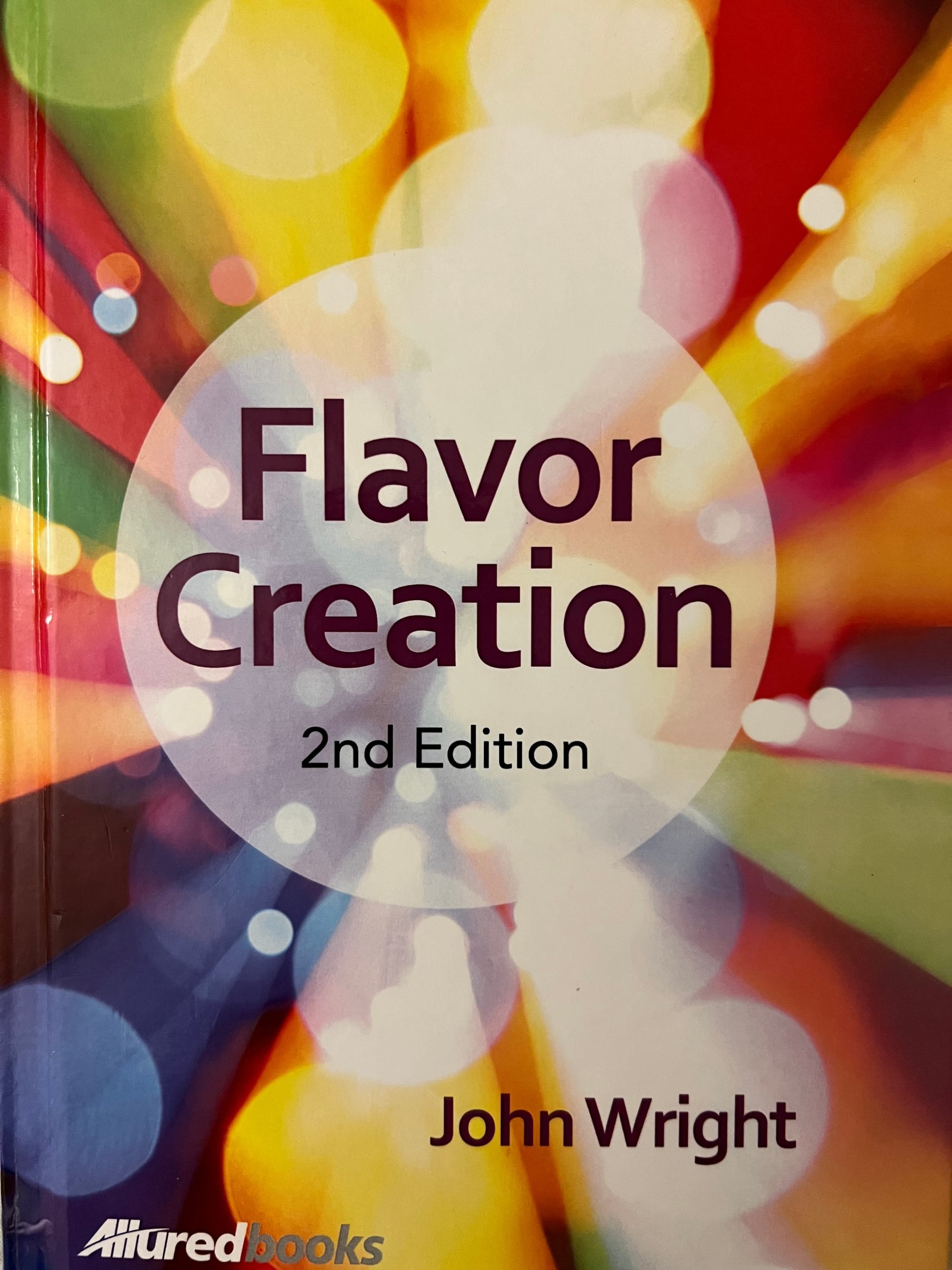
In-Depth Review: Flavor Creation, 2nd Edition by John Wright
If you have ever marveled at how food scientists can perfectly replicate the taste of a wild strawberry in a gum or create a rich, creamy vanilla note in a dairy-free milk, you have witnessed the work of a flavorist. For anyone intrigued by this craft, John Wright‘s Flavor Creation, 2nd Edition is widely considered an indispensable guide. Having reviewed its content and the feedback from the flavor community, I can confidently say this book holds a unique and valuable place in the library of both aspiring and professional flavorists.
What Makes This Book the "Gold Standard"?
The 2nd edition, published by Allured Publishing Corporation around 2004-2010, is not just a dry textbook. It is frequently described as the "gold standard of flavor science books" by readers . The secret to its success lies in Wright's ability to bridge the gap between theoretical chemistry and practical application. Instead of focusing solely on molecular diagrams, the author leverages his decades of industry experience to offer a conversational yet in-depth exploration of how flavors are actually built .
This edition is particularly notable for being expanded with more than 100 new pages of material, ensuring the content remained contemporary and covered the latest in sensory science .
Key Topics and Content
The book’s structure is a masterclass in taking a beginner from the raw ingredients to the final, production-ready flavor. It methodically covers the entire flavor creation process, with dedicated chapters on crucial areas:
- Raw Materials: It provides clear guidance on both natural and synthetic raw materials, explaining their profiles and how they function in a formulation.
- The Creation Process: Wright discusses how to link raw materials to recognizable flavor descriptors, which is the core skill of a flavorist. He even lists major flavor types and offers suggestions for their construction.
- Special Focus on Vanilla: A dedicated chapter on vanilla is a standout feature, covering the intricacies of its cultivation, curing, and extraction—a testament to the ingredient's complexity and importance.
- Creating Elegant Flavors: One of the most valuable contributions in the book comes from a special chapter written by John Wright's wife and fellow industry expert, Marie Wright. Titled Creating Elegant Flavors, this section is a masterclass in precision, offering readers a detailed breakdown of 26 major flavor profiles. For each profile, it provides curated lists of specific flavor notes and the corresponding chemical compounds needed to achieve them, serving as a practical blueprint for formulation.
- Sensory Subjects: Another chapter widely regarded as indispensable is Sensory Subjects. Here, the author compiles an extensive reference of flavor notes paired with their corresponding flavor compounds. It effectively acts as a cheat sheet for flavorists, covering nearly every note a professional would ever need to identify or recreate in the lab.
- Practical Application: Beyond creation, the book delves into flavor technology, offering advice on improving flavor delivery in powders and emulsions and, crucially, how to make flavors "production friendly" so they can survive real-world manufacturing processes.
The Reader Verdict: Why Professionals Love It
The true measure of a technical book's value is how it is received by the very people working in the field. The feedback from readers is overwhelmingly positive, with the book holding a perfect 5/5 rating based on multiple customer reviews.
Here is a breakdown of what readers consistently praise:
- Practical and Easy to Understand: A recurring theme is that the book is "far less technical than other books on the subject" . Readers appreciate that they can learn through discussion and clear introductions to chemical and natural materials, rather than getting lost in complex scientific jargon. This makes it "great for a beginner" while still being a "comprehensive book by innovators" that experts rely on .
- An Indispensable Tool: One reviewer, a self-described "flavor architect," called the book "indispensable" in their own work, noting they bought a second copy as a gift because they were unwilling to part with their own . This sentiment is echoed by others who call it a "must have" for anyone involved in flavor matching or creation .
- Priceless Insight from an Expert: Above all, readers value the voice of experience. John Wright's decades in the industry are evident on every page. Reviewers describe his insight as "priceless," offering expert narratives that guide them in constructing their own "symphony of flavors" .
Final Verdict: Is It Right for You?
Flavor Creation, 2nd Edition is an excellent practical reference that demystifies a complex and secretive industry.
- For the Aspiring Flavorist: This book is the perfect starting point. It provides a clear roadmap of what you need to learn, from raw material characteristics to the art of constructing balanced flavors.
- For the Experienced Professional: It serves as a valuable desk reference, offering a fresh perspective and practical tips on a wide range of topics, from vanilla to emulsions, that can refine your daily work.
- For the Food Enthusiast: If you are simply curious about how your favorite foods get their taste, this book offers a fascinating, behind-the-scenes look at a true art form.
While a 3rd edition has since been released with updated content, this 2nd edition remains a highly respected and extremely useful resource. Its strength lies in its clear, experience-based teaching style, making the intangible art of flavor creation tangible and achievable. For anyone serious about understanding or working with flavor, this book is a worthy investment.