Flavor Chemistry and Technology by Gary Reineccius: A Comprehensive Guide (2nd Edition)
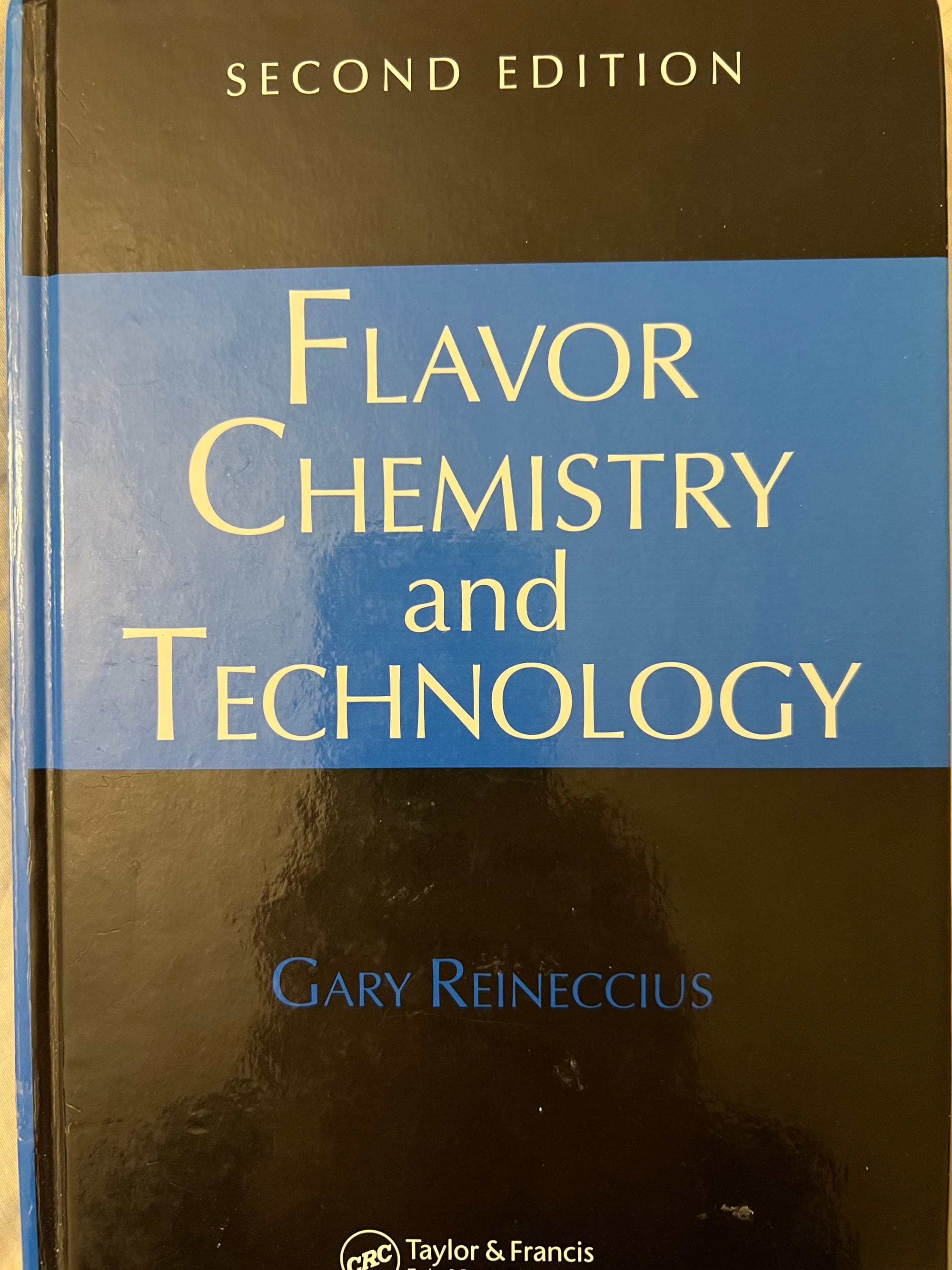
In the multifaceted world of food science, few elements are as critical—and as complex—as flavor. It is the primary driver of consumer acceptance, the silent language of quality, and the ultimate differentiator in a crowded marketplace. For professionals, researchers, and students seeking to master this intricate subject, Gary Reineccius' Flavor Chemistry and Technology, Second Edition, stands as a definitive benchmark resource . This comprehensive volume masterfully bridges the gap between the fundamental scientific principles of flavor generation and the practical application of this knowledge in the food processing industry.
Published by CRC Press (an imprint of Taylor & Francis) in 2006, this second edition is a much-anticipated revision of a classic work originally co-authored by Henry B. Heath and Gary Reineccius in 1986 . Recognizing the profound advancements in the field over two decades, Reineccius undertook the task of updating and expanding the text to reflect the latest research, technological innovations, and emerging industry challenges. The result is a 489-page, meticulously detailed guide that remains highly relevant for understanding modern flavor systems .
Why This Book Remains an Essential Resource
The enduring value of Flavor Chemistry and Technology lies in its unique dual focus. It is not merely a collection of recipes or a purely theoretical treatise; instead, it provides a holistic understanding of flavor from its molecular origins to its final perception by the consumer. This integrated approach is what makes it indispensable for:
- Food Scientists and Technologists: For formulating new products, troubleshooting flavor issues, and optimizing processing conditions.
- Flavorists and Flavor Chemists: For understanding the raw materials of their craft and the science behind flavor creation and stability.
- Academics and Students: As a comprehensive textbook that covers the core principles of flavor science, from analysis to application.
- Quality Assurance Professionals: For developing robust protocols to monitor flavor quality and identify the causes of off-flavors.
Gary Reineccius, a professor and researcher with over 35 years of experience in flavor chemistry at the time of writing, brings unparalleled authority to the subject . His award-winning career ensures that the content is not only academically rigorous but also grounded in practical, real-world experience .
What's New in the Second Edition?
The leap from the first edition to the second represents a significant update, incorporating the dramatic shifts in research focus and technology that occurred between 1986 and 2006. This new edition places a strong emphasis on areas that became central to flavor science during that period :
- Flavor and the Information Age: This intriguing new topic explores how modern data, computing, and information processing have influenced flavor research and perception.
- Food/Flavor Interactions: A crucial area of study, this section delves into the physical and chemical bonds that form between flavor compounds and the major components of food (proteins, fats, carbohydrates).
- Flavoring Materials and Flavor Potentiators: Expanded coverage of the types and functions of substances used to enhance and modify flavors.
- Changes to Food Flavors During Processing: A deeper look at how common industrial processes like heating, drying, and fermentation inevitably alter flavor profiles.
- Performance of Flavors During Processing and Storage: Critical insights into how to predict and protect flavor stability throughout a product's lifecycle.
- Applications of Flavorings in Processing: The most heavily revised chapter, offering a compelling explanation of how flavors behave in real-world food systems.
Core Content: A Journey from Chemistry to Technology
The book is elegantly structured into two main parts, guiding the reader from the fundamental science to its technological execution .
Part 1: Flavor Chemistry (Chapters 1-7)
This section lays the scientific groundwork, exploring the intrinsic nature of flavor.
- An Overview of Flavor Perception: It begins by explaining the complex physiological and psychological processes involved in how we perceive taste and aroma.
- Flavor and the Information Age: A unique chapter examining the impact of modern technology and data on flavor science.
- Flavor Analysis: A detailed look at the sophisticated analytical techniques, such as gas chromatography-mass spectrometry (GC-MS), used to identify and quantify volatile flavor compounds.
- Flavor Formation in Fruits and Vegetables: This chapter explores the biochemical pathways that create the characteristic flavors of fresh produce, from biosynthesis to the impact of ripening.
- Changes in Food Flavor Due to Processing: An essential chapter for food technologists, detailing how processes like pasteurization, extrusion, and fermentation can create desirable flavors or, conversely, lead to off-flavors.
- Flavor Release from Foods: One of the "hottest topics" in the book, this chapter addresses the critical issue of how flavors are released from the food matrix during eating . It explains, for example, why low-calorie or fat-free foods often taste different from their full-fat counterparts . The interaction between flavor compounds and the food matrix fundamentally alters the timing and intensity of flavor perception.
- Off-Flavors and Taints in Foods: A practical guide to identifying and mitigating unwanted flavors that can arise from raw materials, processing, packaging, or storage.
Part 2: Flavor Technology (Chapters 8-15)
Armed with chemical knowledge, the reader then ventures into the applied world of flavor creation and use.
- Flavoring Materials: A comprehensive catalog of the building blocks of flavor, from natural extracts and essential oils to single chemical compounds.
- Flavoring Materials Made by Processing: This chapter covers flavors generated through processes like fermentation (e.g., dairy flavors), roasting (e.g., coffee, cocoa), and thermal reactions (e.g., process flavors).
- Artificial Flavoring Materials: A focused discussion on synthetic flavor chemicals, their safety, regulation, and role in creating consistent and cost-effective flavors.
- Flavor Potentiators: An exploration of substances like monosodium glutamate (MSG) and nucleotides that don't have a flavor of their own but dramatically enhance the perception of other flavors.
- Flavorists and Flavor Creation: A fascinating glimpse into the art and science of the flavorist's profession, blending chemistry with creativity to construct complex and appealing flavors.
- Flavor Production: This updated chapter covers the industrial-scale methods used to manufacture flavors, including the controlled release of flavorings through encapsulation and other technologies .
- Flavor Applications: The most significantly revised chapter in the book, it provides practical guidance on how flavors interact with different food components (fats, proteins, water) and how they perform during various processing and storage conditions .
- Flavor Legislation and Quality Control: The book concludes with an overview of the regulatory landscape governing flavors worldwide and the essential quality control procedures needed to ensure flavor safety and consistency.
Conclusion: A Lasting Contribution to Flavor Science
Flavor Chemistry and Technology by Gary Reineccius is more than just a textbook; it is a comprehensive compendium of knowledge from a master of the field. By seamlessly integrating the "why" (chemistry) with the "how" (technology), it provides a complete overview that is rare in scientific literature . Its second edition successfully captured the dynamic shifts in flavor science, making it a vital tool for anyone dedicated to understanding and perfecting the flavors that enrich our daily lives. Whether you are a student, a seasoned researcher, or an industry professional, this book remains an invaluable reference for navigating the complex and fascinating world of flavor. d