Flavor Ingredients for Strawberry flavor profiles
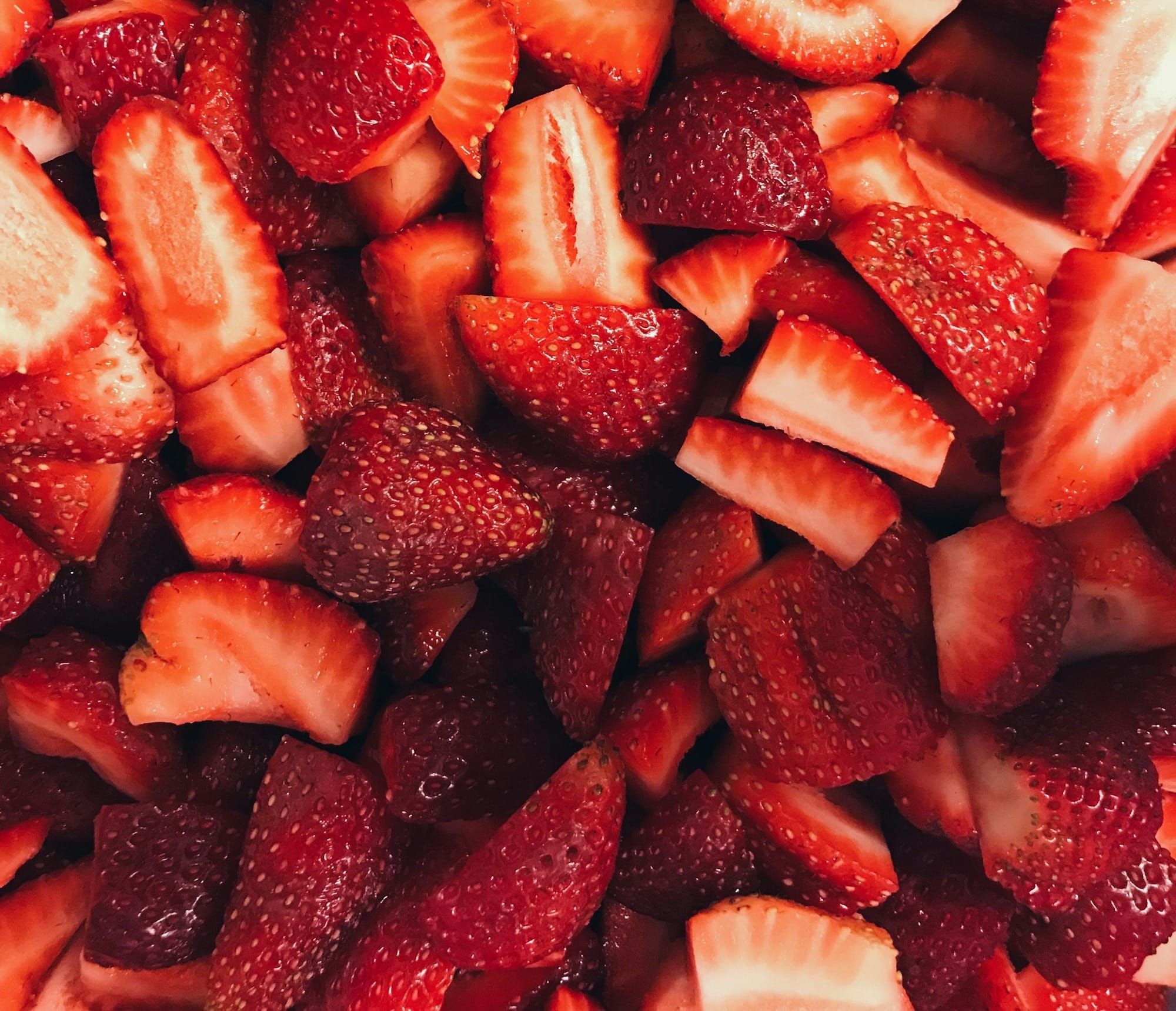
Creating a strawberry flavor is a complex art that involves combining dozens of ingredients to mimic the full, ripe, sweet, juicy, and slightly green character of the fruit. No single molecule tastes exactly like a strawberry.
Here is a comprehensive list of flavor ingredients used, categorized by their character and function.
I. Key Characterizing Compounds (The "Heart" of Strawberry)
These are the molecules most responsible for the recognizable "strawberry" note.
- Ethyl methylphenylglycidate (Aldehyde C-16, Strawberry Aldehyde): The classic, powerful, sweet, jammy, candy-like strawberry note. It's not actually an aldehyde, but it's the signature of artificial strawberry flavors.
- Furaneol (Strawberry Furonone): Arguably the most important. Provides a sweet, caramelized, ripe, pineapple-like, and very authentic ripe strawberry note. Found naturally in strawberries.
- Methyl cinnamate: Sweet, balsamic, fruity (strawberry/blueberry) with a slight cinnamon nuance.
- Ethyl butyrate & Ethyl acetate: Provide a sharp, fruity, top note that reads as "fruitiness." Often used in combination.
- γ-Decalactone: Peach-like, creamy, very ripe nuance that adds body and juiciness.
II. Supporting & Fresh/Fruity Notes
Adds complexity, brightness, and juiciness.
- Esters (for general fruitiness):
- Isoamyl acetate (banana)
- Ethyl caproate (pineapple, fruity)
- Hexyl acetate (green, fruity, pear)
- Benzyl acetate (jasmine, fruity)
- Aldehydes (for fresh, green, juicy lift):
- trans-2-Hexenal (powerful green, cut leaf)
- Hexanal (green, grassy, unripe fruit)
- cis-3-Hexenol (Leaf Alcohol) (fresh, green grass) - more of an alcohol but used here.
- Acids (for tartness and bite, essential for realism):
- Citric Acid
- Malic Acid
- Fumaric Acid
III. Juicy, Sweet, & Body Enhancers
Provide mouthfeel, sweetness, and ripe character.
- Lactones (creamy, peachy, coconut):
- γ-Undecalactone (peach)
- δ-Decalactone (creamy, coconut)
- Vanillin & Ethyl Vanillin: Add sweetness, creaminess, and a rounded, familiar top note. Crucial for a "dessert" strawberry.
- Maltol & Ethyl Maltol: Powerful sweeteners and enhancers that add a cotton-candy-like sweetness and increase perceived fruitiness.
- Sugar, Corn Syrup, Dextrose: The base sweetness in applications.
IV. Green, Earthy & Authentic Complexity Notes
Used in small amounts to add the subtle, natural character of a real strawberry.
- Linalool: Floral, slightly green, woody (found in many fruits).
- α-Ionone & β-Ionone: Violet-like, woody, berry notes.
- Methyl anthranilate: Concord grape-like, musty, used in small doses for complexity.
- Eugenol (clove) or Isoeugenol: In trace amounts, can add a spicy, ripe depth.
- Damascones (e.g., β-Damascone): Rose, honey, stewed apple, adds exotic fruity depth.
- 2,5-Dimethyl-4-hydroxy-3(2H)-furanone (Furaneol's cousins): Different concentrations can give caramel, burnt sugar, or pineapple nuances.
V. Natural Sources & Extracts
Used in "natural flavors" or WONF (With Other Natural Flavors) compositions.
- Natural Strawberry Extract/Concentrate: The base, but often weak and costly. Flavors are built around it.
- Other Fruit Juices/Concentrates (for WONF labeling):
- Apple, Grape, Cherry, Raspberry, Pineapple juice concentrates are common carriers and provide natural fruity sugars and acids.
- Natural Aroma Chemicals (if sourced naturally, e.g., from fermentation):
- Natural Furaneol, Natural Ethyl Butyrate, etc.
Typical Composition Breakdown by Flavor Type:
- Candy/Gummy Strawberry: High in Ethyl methylphenylglycidate (C-16), Ethyl Butyrate, Ethyl Maltol, and Malic Acid for tartness.
- Ripe, Juicy, Natural Strawberry (for yogurt, ice cream): Relies heavily on Furaneol, γ-Decalactone, cis-3-Hexenol, and a balanced ester blend, with vanilla and maltol for creaminess.
- Fresh, Green Strawberry (for beverages): Features trans-2-Hexenal, hexyl acetate, and lighter esters, with a bright citric acid profile.
- Jammy/Cooked Strawberry (for pastries): Emphasizes Furaneol, Methyl Cinnamate, vanillin, and darker, sweeter notes.
Important Note on Regulations & Labeling:
- In the US and EU, these ingredients are almost always used in a flavor base and listed on an ingredient label simply as "Natural Flavors" or "Artificial Flavors."
- A "Natural Strawberry Flavor" typically means the flavor must be derived from natural sources (like plant, animal, fermentation), but it will almost always be a complex blend of the natural versions of the chemicals listed above, built on a carrier like fruit juice concentrate.
In summary, a strawberry flavor is a symphony of 20-50+ ingredients, where esters provide the fruity chorus, aldehydes and furaneols deliver the strawberry melody, lactones and vanillin add the creamy body, and green notes provide the fresh, authentic accent.
Typical Dosage Ranges in a Strawberry Flavor Concentrate (%)
Flavors are built on a carrier solvent (like Propylene Glycol, Ethanol, or Triacetin), which makes up the bulk (e.g., 70-90%) of the concentrate. The active ingredients below are the remainder.
I. Characterizing Compounds (The "Heart")
- Ethyl methylphenylglycidate (Aldehyde C-16):
- Candy/Artificial Profile: 1.0% - 8.0% (Can be the dominant note)
- Natural-Type Profile: 0.05% - 0.5% (Used sparingly for lift)
- Furaneol:
- Universal (Key for ripe character): 0.5% - 3.0%
- Methyl cinnamate:
- Typical Range: 0.1% - 1.5%
- Ethyl butyrate:
- Top Note: 0.5% - 3.0% (Often one of the higher-percentage esters)
- γ-Decalactone:
- For juiciness/body: 0.2% - 1.5%
II. Supporting Fresh & Fruity Notes
- Esters:
- Isoamyl acetate: 0.1% - 0.8%
- Ethyl caproate: 0.05% - 0.5%
- Hexyl acetate: 0.02% - 0.3%
- Benzyl acetate: 0.01% - 0.2%
- Aldehydes/Green Notes (Used very carefully—potent!):
- trans-2-Hexenal: 0.005% - 0.05% (50 - 500 ppm)
- Hexanal: 0.002% - 0.02% (20 - 200 ppm)
- cis-3-Hexenol: 0.01% - 0.1%
- Acids (Often added separately to final product, but can be in concentrate):
- Citric/Malic Acid: 0.1% - 2.0% (in the flavor concentrate; much higher in final product)
III. Sweet & Body Enhancers
- Lactones:
- γ-Undecalactone: 0.02% - 0.2%
- δ-Decalactone: 0.01% - 0.15%
- Vanillin / Ethyl Vanillin:
- Vanillin: 0.1% - 1.0%
- Ethyl Vanillin (3x stronger): 0.03% - 0.3%
- Maltol / Ethyl Maltol:
- Maltol: 0.05% - 0.5%
- Ethyl Maltol (4-6x stronger): 0.01% - 0.1%
IV. Complex, Earthy & Floral Modifiers (Used in trace amounts)
- Linalool: 0.02% - 0.2%
- α-Ionone / β-Ionone: 0.001% - 0.01% (10 - 100 ppm)
- Methyl anthranilate: 0.001% - 0.008% (10 - 80 ppm)
- Eugenol/Isoeugenol: 0.001% - 0.005% (10 - 50 ppm)
- β-Damascone: 0.0005% - 0.002% (5 - 20 ppm) - extremely powerful.
Example Framework of Two Simplified Profiles
Here’s how these ranges might come together in two very basic, illustrative examples (with carrier PG making up the balance to 100%):
A. Candy Strawberry Gummy Flavor (Artificial, Bold)
- Ethyl methylphenylglycidate: 5.0%
- Ethyl butyrate: 2.5%
- Furaneol: 1.5%
- Ethyl maltol: 0.08%
- Maltol: 0.3%
- Isoamyl acetate: 0.5%
- Vanillin: 0.4%
- γ-Decalactone: 0.5%
- Citric Acid: 1.0%
- Misc. other esters, traces: ~1.0%
- Propylene Glycol (Carrier): Q.S. to 100%
B. Natural-Type Strawberry for Yogurt (Ripe, Juicy, Creamy)
- Natural Strawberry Extract (WONF base): 10.0%
- Furaneol (Natural): 2.0%
- Ethyl butyrate (Natural): 1.0%
- γ-Decalactone (Natural): 1.2%
- trans-2-Hexenal (Natural): 0.02%
- cis-3-Hexenol (Natural): 0.08%
- Vanillin (Natural): 0.6%
- Maltol (Natural): 0.3%
- Methyl cinnamate (Natural): 0.4%
- Misc. natural esters/lactones: ~2.0%
- Natural Carrier (e.g., Gum Acacia sol., or more extract): Q.S. to 100%
Critical Application Context
- Potency Matters: Ingredients like trans-2-Hexenal or β-Damascone are used in parts per million (ppm). Exceeding their range can easily ruin a batch.
- Solubility: Dosages are affected by the solvent (alcohol, oil, water-soluble carriers).
- Synergy: Flavors work together. A 0.1% change in one component can necessitate re-balancing others.
- Final Use Level: This flavor concentrate would then be used in a final product at rates like:
- Beverage: 0.1% - 0.3%
- Yogurt/Ice Cream: 0.2% - 0.8%
- Candy/Gummy: 0.5% - 2.0%
- Bakery Filling: 0.3% - 1.0%
This breakdown should give you a clear, professional insight into the scale and proportion of ingredients used by flavorists to build the complex perception of strawberry.
Crucial Disclaimer: These are guideline ranges for the raw materials within the flavor concentrate itself (which is typically used at 0.1-2% in the final product). This is for educational insight only, not a working formula.