Fresh butter flavor · compound library & formulation
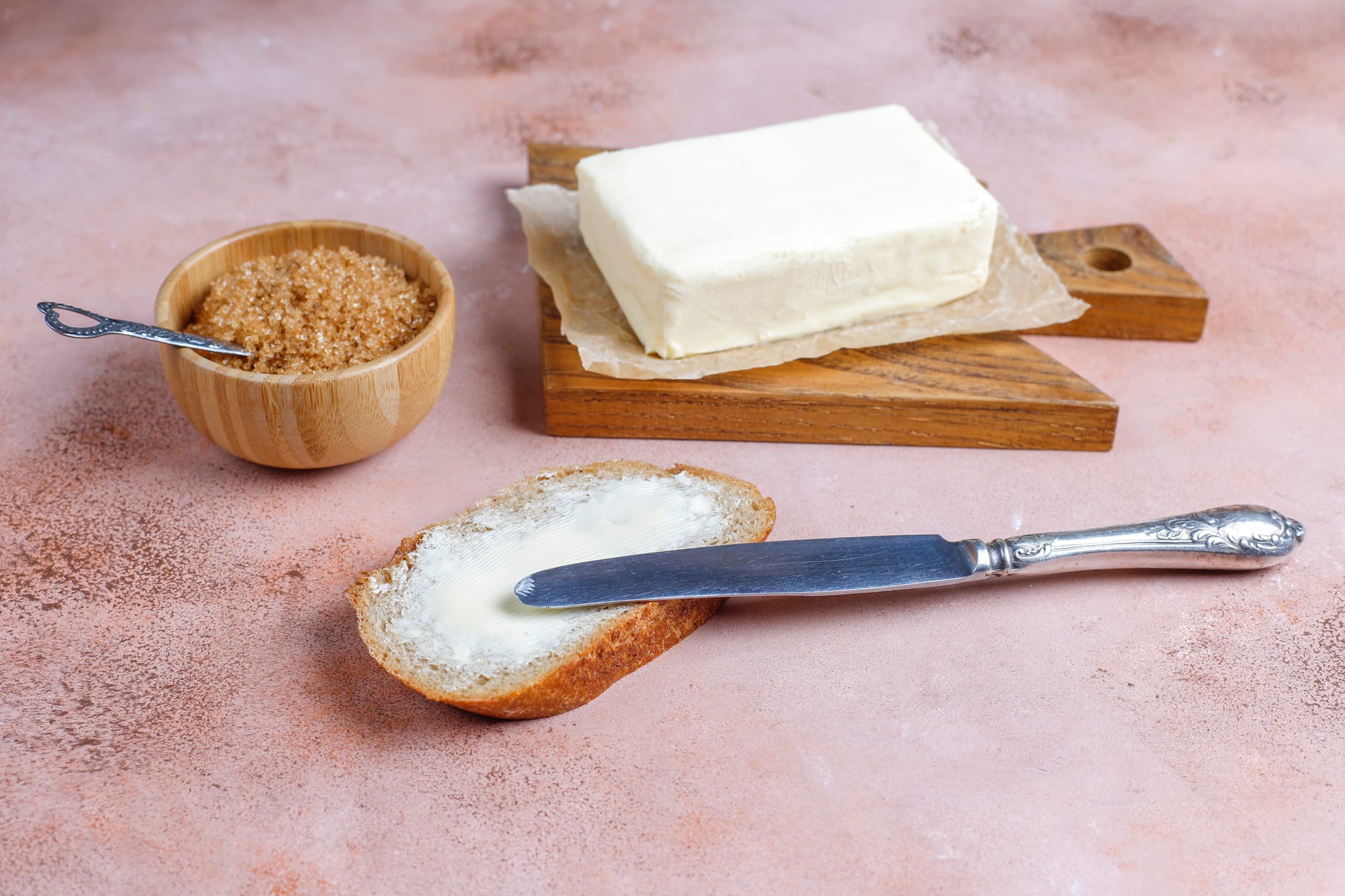
The flavor compounds listed here are suggested by Judith Michalski, a well-known flavorist in the United States in the book "Successful Flavors". Provided in addition to the names are their fema numbers and flavor descriptors and suggested usage levels for making a fresh butter flavor.
🧈 Fresh butter · unified compound library
| Compound | FEMA | Flavor descriptors (fresh butter context) | Suggested usage (ppm) |
|---|---|---|---|
| 1-octen-3-ol | 2805 | Mushroom, earthy, fungal, oily, raw | 0.2–1 |
| 2,3-hexanedione | 2558 | Buttery, sweet, caramel, creamy, toasted, slightly sharp | 1–4 |
| 2,3-pentanedione | 2841 | Strong buttery, creamy, sweet, nutty, toasted, caramelic | 1–5 |
| 2,4-decadienal | 3135 | Deep fried, fatty, waxy, oxidized, chicken fat | 0.02–0.2 (ppb range) |
| 2-acetyl-3,5-dimethylpyrazine | 3329 | Nutty, roasted, earthy, cocoa, baked potato, coffee | 0.2–2 |
| 2-acetylfuran | 3163 | Sweet, nutty, bready, roasted, coffee, slightly smoky | 1–5 |
| 2-acetylpyrazine | 3126 | Popcorn, nutty, roasted, toasted bread, corn chip | 0.5–3 |
| 2-acetylthiazole | 3328 | Popcorn, nutty, roasted, cereal, meaty, sulfury | 0.3–2 |
| 2-heptanone | 2544 | Cheesy, fruity, ketonic, waxy, blue cheese nuance | 1–8 |
| 2-nonanol | 3315 | Waxy, clean, fatty, green melon, creamy, faint citrus | 0.3–2.5 |
| 2-tridecanone | 3388 | Waxy, dairy, coconut, fatty, cheesy, earthy, hay | 1–6 |
| 2-undecanone | 3093 | Waxy, fruity, creamy, fatty, green rindy, floral | 0.5–4 |
| 3,4-xylenol | — (alt. 3495) | Phenolic, medicinal, smoky, woody, tarry | 0.01–0.1 |
| 3-methyl pentanoic acid | 3437 | Sweaty, cheesy, sour, fermented, animal, fruity nuance | 1–6 |
| 4-ethyl octanoic acid | — (3575, 4-methyl analog) | Goaty, fatty, waxy, animal, mutton, cheesy | 0.5–3 |
| 4-ethyl phenol | 3156 | Phenolic, smoky, medicinal, leather, barnyard | 0.05–0.5 |
| 5,6-decenoic acid | 3742 | Waxy, creamy, peach-like, dairy, milky, soapy | 1–5 |
| 5,6,7,8-tetrahydroquinoxaline | — (similar 3321) | Nutty, roasted, popcorn, earthy, pyrazine-like | 0.2–1.5 |
| acetaldehyde | 2003 | Pungent, ethereal, fresh green, fruity, yogurt | 1–4 |
| acetoin | 2008 | Creamy, buttery, fatty, milky, yogurt, slight sour | 15–50 |
| butyl undecenoate | — (4622 undecylenate) | Waxy, fatty, fruity, slightly metallic | 0.5–3 |
| butyric acid | 2221 | Rancid, cheesy, butter, creamy at low dose, fermented | 8–25 |
| cis-4-heptenal | 3289 | Creamy, milky, fatty, oily, vegetative, fresh dairy | 0.005–0.1 (ppb–low ppb) |
| cis-6-dodecen-4-olide | — (lactone, similar to 3780) | Creamy, coconut, waxy, fatty, dairy, peach | 2–10 |
| cyclotene | 2700 | Caramel, maple, sweet, burnt sugar, brown, seasoning | 5–20 |
| decanoic acid | 2364 | Fatty, soapy, waxy, cheesy, goat-like, rancid | 2–12 |
| delta-decalactone | 2361 | Creamy, coconut, peach, fatty, rich milky | 5–20 |
| delta-dodecalactone | 2401 | Strong creamy, coconut, buttery, waxy, dairy | 5–18 |
| delta-hexanedione (likely δ-hexalactone) | 3167 | Creamy, coconut, sweet, dairy, waxy | 2–10 |
| delta-nonalactone | 3356 | Coconut, creamy, milky, waxy, coumarinic | 3–15 |
| delta-tetradecalactone | 3590 | Fatty, waxy, creamy, rich mouthfeel, peach skin | 3–15 |
| diacetyl | 2370 | Intense buttery, creamy, artificial butter, pungent | 3–8 |
| dimethyl sulfide | 2746 | Sweet corn, creamy, milky, sulfurous, tomato, fresh | 0.1–0.5 |
| ethyl butyrate | 2427 | Fruity, pineapple, banana, sweet, ethereal, juicy | 1–5 |
| ethyl caproate (ethyl hexanoate) | 2439 | Powerful fruity, pineapple, banana, waxy, sweet, winey | 0.5–4 |
| furaneol | 3174 | Sweet, caramel, cotton candy, burnt sugar, fruity | 5–25 |
| furfural | 2489 | Sweet, almond, baked bread, burnt, caramelic, nutty | 2–12 |
| gamma-butyrolactone | 3291 | Creamy, fatty, caramelic, slightly fruity, coconut | 5–20 |
| heptanoic acid | 3348 | Rancid, fatty, cheesy, sweaty, waxy, sour | 1–7 |
| hexanoic acid | 2559 | Sweaty, cheesy, fatty, goat, pungent, waxy | 2–12 |
| indole | 2593 | Animal, fecal (trace), floral in dilution, complexing | 0.01–0.05 (trace) |
| isopentanoic acid (3-methylbutanoic) | 3102 | Sweaty, cheesy, rancid, fermented, dirty dairy | 1–8 |
| lactic acid | 2611 | Mild sour, yogurt, tangy, dairy, creamy | 20–100 (acidulant) |
| lauric acid | 2614 | Waxy, fatty, mild soapy, creamy, bay oil | 2–12 |
| maltol | 2656 | Sweet, caramel, cotton candy, fruity, creamy enhancer | 8–35 |
| methanethiol | 2716 | Sulfurous, rotten egg, cabbage, cooked, pungent | 0.005–0.05 (ppb) |
| methyldihydrocyclopentapyrazine | — (related 3309) | Nutty, roasted, coffee, cocoa, earthy, popcorn | 0.2–2 |
| myristic acid | 2764 | Waxy, faintly oily, soapy, fatty background | 2–12 |
| nonanal | 2782 | Waxy, fatty, citrus, green, fresh, oily, floral | 0.2–2 |
| nonanoic acid | 2784 | Fatty, waxy, cheesy, nutty, green animal | 1–8 |
| octanoic acid | 2799 | Fatty, waxy, rancid, cheesy, sweaty, fruity | 1–10 |
| oleic acid | 2815 | Fatty, oily, lard-like, smooth | 2–15 |
| p-cresol | 2337 | Phenolic, medicinal, animal, woody, tar-like | 0.02–0.1 |
| palmitic acid | 2832 | Nearly odorless, waxy, adds body and fatty perception | 2–15 |
| skatole | 3019 | Fecal, animal, floral at extreme dilution, complexing | 0.005–0.02 (ppb) |
| stearic acid | 3035 | Odorless, waxy, adds fatty mouthfeel | 2–15 |
| sulfurol (2-furanmethanethiol) | 3163 | Roasted coffee, meaty, sulfurous, burnt, popcorn | 0.01–0.1 |
| t-2-hexanal (trans-2-hexenal) | 2560 | Green, leafy, apple, fruity, fresh | 0.2–1.5 |
| t-2-hexenol (trans-2-hexenol) | 2562 | Green, leafy, fruity, winey, fresh | 0.2–1.5 |
| vanillin | 3107 | Sweet, creamy, vanilla, heliotrope, smooth | 8–40 |
🧂 Fresh butter · 5 dominant + 18 minor notes
sweet creamy buttery milky corn sweet animal brown cabbage caramel cooked milky cultured dirty fatty fruity goaty green oily oxidized phenolic rancid soapy sulfurous waxy
🍬 sweet · caramel · brown
Vanillin 10–25, maltol 15–30, furaneol 8–20, cyclotene 5–15, furfural 2–8, 2-acetylfuran 1–4, 2,3-hexanedione 2–4. Builds sweet/caramel/brown foundation.
🧈 buttery · creamy · milky
Diacetyl 4–7, acetoin 25–45, butyric acid 12–20, δ-decalactone 6–18, δ-dodecalactone 4–12, δ-nonalactone 3–10, cis-4-heptenal 0.01–0.05, γ-butyrolactone 5–15. Creamy milky core.
🌽 corn sweet · cabbage · sulfurous
Dimethyl sulfide 0.2–0.5, methanethiol 0.01–0.03, sulfurol 0.02–0.08. Provides corn, cooked cabbage, sulfur complexity.
🐐 animal · goaty · rancid · phenolic
Skatole 0.005–0.02, indole 0.01–0.04, p-cresol 0.02–0.08, 4-ethylphenol 0.05–0.2, 3,4-xylenol 0.02–0.08, 4-ethyl octanoic acid 1–3, isopentanoic acid 1–5, 3-methyl pentanoic acid 1–5. Adds dirty/goaty/animal depth.
🕯️ fatty · waxy · soapy · oxidized
Decanoic, lauric, myristic, palmitic, stearic, oleic, nonanoic, octanoic, heptanoic acids 2–12 ppm each. 2,4-decadienal 0.02–0.1, 2-nonanol 0.5–2, 2-undecanone 0.5–3, 2-tridecanone 1–4, nonanal 0.2–1, cis-6-dodecen-4-olide 2–8.
🍏 fruity · green · cultured
Ethyl butyrate 1–4, ethyl caproate 0.5–3, t-2-hexenal 0.2–1, t-2-hexenol 0.2–1, 1-octen-3-ol 0.2–0.8, acetaldehyde 1–3, lactic acid 30–70 (cultured tang), 2-heptanone 2–6 (fruity/cheesy).
🍿 nutty · popcorn · roasted
2-acetylpyrazine 0.5–2.5, 2-acetyl-3,5-dimethylpyrazine 0.3–1.5, 2-acetylthiazole 0.3–1.5, 5,6,7,8-tetrahydroquinoxaline 0.3–1.5, methyldihydrocyclopentapyrazine 0.2–1.5. Adds nutty/popcorn nuance.
📌 FEMA numbers based on known identities. δ-hexanedione interpreted as δ-hexalactone (FEMA 3167). cis-6-dodecen-4-olide is a creamy lactone. Use levels as guidelines.
Formulation Strategy for Fresh Butter
The document provides a structured, multi-layered approach to building the complex fresh butter profile using your complete list of compounds. The five dominant notes are constructed with specific chemical families, while the 18 minor notes emerge from the careful balance of these same ingredients.
- Sweet, Caramel, Brown Foundation: Built with vanillin, maltol, furaneol, cyclotene, furfural, 2-acetylfuran, and 2,3-hexanedione.
- Buttery and Creamy Core: Driven by diacetyl, acetoin, butyric acid, and a blend of key lactones (δ-decalactone, δ-dodecalactone, γ-butyrolactone), with cis-4-heptenal adding a fresh creamy lift.
- Corn Sweet and Sulfurous Notes: Provided by low levels of dimethyl sulfide (DMS), methanethiol, and sulfurol.
- Fatty, Waxy Foundation: A broad blend of fatty acids (C8–C18) and waxy alcohols/aldehydes/lactones creates body.
- Animal, Phenolic, and Goaty Depth: Minute, precise amounts of skatole, indole, p-cresol, 4-ethylphenol, and branched-chain acids (4-ethyl octanoic, isopentanoic, 3-methyl pentanoic) add realism and complexity.
- Fruity, Green, and Cultured Accents: Ethyl esters, t-2-hexenal/ol, acetaldehyde, and lactic acid provide freshness and a tangy cultured note.
- Nutty, Popcorn Nuance: A selection of pyrazines and thiazole adds a roasted dimension.
- Oxidized Nuance: A trace of 2,4-decadienal adds a subtle, realistic fatty-oily character.
The tables organize all these elements, allowing you to reference specific compounds and their suggested levels as you iteratively test and balance the formula to achieve the desired harmony of dominant and minor notes.
How is fresh cream commercially manufactured?
Commercial butter production is a mechanical process that concentrates milk fat by churning cream until the fat separates from the liquid (buttermilk). Modern plants use continuous systems for speed, consistency, and hygiene.
Here’s how fresh butter is typically made at industrial scale:
1. Cream Separation
Raw milk arrives at the dairy plant and is spun in a centrifugal separator to isolate cream from skim milk.
- Cream fat is standardized to about 35–40% milk fat for butter production.
- Skim milk is diverted for other products.
2. Pasteurization
The cream is pasteurized to destroy pathogens and improve shelf life.
Typical industrial range:
- 85–95°C (185–203°F) for short time
- Rapidly cooled afterward
This also improves butter flavor stability.
3. (Optional) Culturing for Flavor
If producing cultured butter, the pasteurized cream is inoculated with lactic acid bacteria such as:
- Lactococcus lactis
- Leuconostoc mesenteroides
The cream ferments for several hours before churning, developing:
- Slight acidity
- Buttery, nutty flavor (from diacetyl)
Uncultured butter (often called sweet cream butter) skips this step.
4. Churning (The Critical Step)
Cream is churned in large continuous butter machines.
During churning:
- Fat globule membranes rupture
- Fat droplets stick together
- Butter granules form
- Liquid buttermilk separates
This is a physical phase inversion:
- From fat-in-water emulsion (cream)
- To water-in-fat emulsion (butter)
5. Buttermilk Removal
The liquid buttermilk is drained off.
Commercial plants often:
- Wash the butter grains with cold water
- Remove excess moisture and lactose
- Improve shelf life
6. Working & Kneading
The butter is mechanically kneaded to:
- Distribute moisture evenly
- Create smooth texture
- Adjust final water content (~16–18%)
Salt may be added at this stage (usually 1–2%).
7. Shaping & Packaging
The butter is:
- Formed into blocks or sticks
- Wrapped in foil or parchment
- Stored at refrigeration temperature
Industrial systems can produce thousands of kilograms per hour.
Key Differences: Commercial vs Homemade Butter
Commercial butter is:
- More consistent in moisture
- Precisely standardized in fat content
- Produced in continuous churns
- More shelf-stable
Homemade butter:
- Often has higher moisture
- Less uniform texture
- No standardized working step
###