Horchata Flavor Surges in Search Interest: Why This Classic Latin Beverage Flavor Is Becoming a Major Food & Beverage Trend in 2026
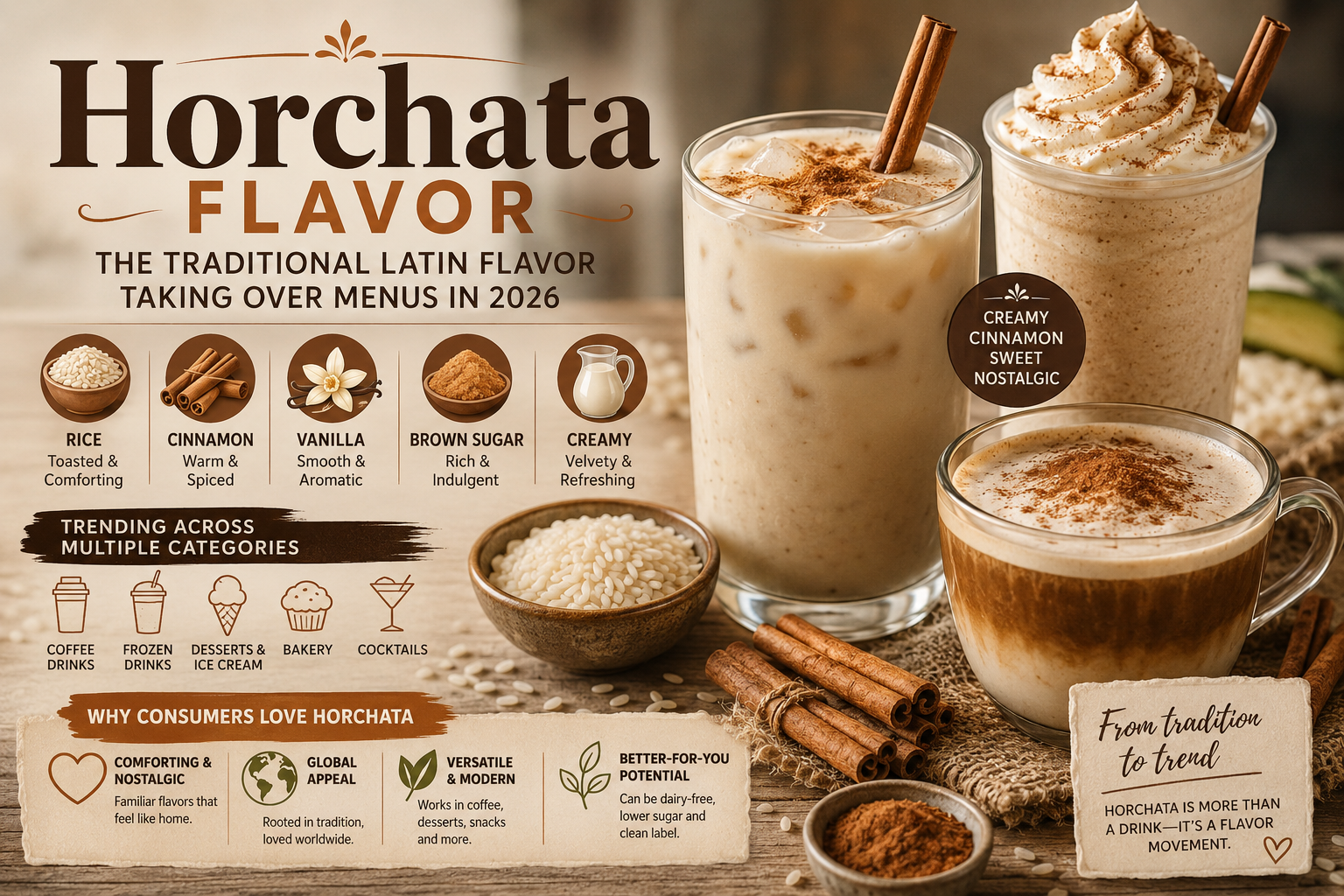
Search interest in horchata flavor has risen sharply in recent hours, reflecting a broader trend that has been building throughout 2026: the transformation of horchata from a traditional Latin American beverage into a mainstream flavor platform for coffee, frozen drinks, desserts, dairy products, and innovative foodservice concepts. Recent product launches, menu additions, and consumer trend reports suggest that horchata has moved well beyond its cultural roots and is now becoming one of the most influential emerging flavor profiles in the beverage industry. (About Starbucks)
What Is Horchata Flavor?
Traditionally, horchata refers to a sweet beverage whose composition varies by region. In Mexico, the most familiar version is made from rice, cinnamon, vanilla, sugar, and water, creating a creamy, refreshing drink with comforting spice notes. In Spain, horchata is often produced from tiger nuts (chufa), giving it a nuttier, earthier profile. (Wikipedia)
From a flavorist's perspective, horchata delivers a unique combination of:
- Creamy dairy-like richness
- Toasted rice notes
- Warm cinnamon spice
- Vanilla sweetness
- Brown sugar nuances
- Light nutty undertones
- Smooth, comforting mouthfeel
These characteristics allow horchata to bridge several consumer trends simultaneously: nostalgia, indulgence, global flavors, and comfort foods. (Flavor Dynamics)
Starbucks Helps Push Horchata Into the Mainstream
One of the biggest drivers behind the current search surge is the continued expansion of horchata-inspired beverages by Starbucks.
The company's Summer 2026 menu prominently features the return of the Iced Horchata Shaken Espresso, along with a new Horchata Frappuccino. These beverages combine espresso with the familiar flavor cues of cinnamon, vanilla, toasted rice, and creamy sweetness, introducing horchata to millions of consumers who may never have experienced the traditional beverage. (About Starbucks)
Industry observers note that the success of these beverages demonstrates how traditional ethnic flavors can be adapted for modern coffee culture. Rather than positioning horchata as a niche cultural beverage, Starbucks has integrated it into popular espresso and frozen drink formats that appeal to a broad consumer base. (About Starbucks)
Horchata Expands Beyond Coffee
The trend is not limited to coffee chains.
Fast-food and quick-service beverage brands are increasingly experimenting with horchata-inspired products. Earlier this year, Sonic launched a Strawberry Horchata Cream Slush, combining strawberry, cinnamon-spiced horchata syrup, soft-serve ice cream, and its signature slush base. Industry commentators viewed the launch as part of a growing competition among chains to capitalize on horchata's rising popularity. (Allrecipes)
At the same time, restaurants, cafés, and specialty beverage operators are developing:
- Horchata lattes
- Dirty horchatas (horchata plus espresso)
- Horchata chai beverages
- Horchata matcha drinks
- Horchata cocktails
- Horchata milkshakes
- Horchata-inspired frozen desserts
This diversification suggests horchata is evolving from a single beverage into a broader flavor category. (The Guardian)
Why Consumers Love Horchata
Several consumer trends are converging to fuel horchata's popularity.
1. Comfort and Nostalgia
Consumers increasingly seek flavors that feel familiar, comforting, and emotionally satisfying. Horchata's combination of cinnamon, vanilla, and creamy sweetness evokes memories of rice pudding, cinnamon toast, milk desserts, and traditional family recipes. (The Guardian)
2. Global Flavor Exploration
Consumers are more willing than ever to explore flavors rooted in international cuisines. Mexican and Latin American culinary traditions continue to gain visibility worldwide, and horchata is benefiting from that broader cultural interest. (The Guardian)
3. Better-for-You Potential
Unlike many indulgent flavor profiles, horchata can be adapted to dairy-free, plant-based, and reduced-sugar formats. Recent regulatory changes in Spain even allow traditional horchata products to be produced without added sugar while maintaining their legal identity, reflecting demand for healthier alternatives. (ElHuffPost)
4. Versatility
Flavor developers appreciate horchata because it works across numerous applications:
- Coffee beverages
- Dairy drinks
- Ice cream
- Frozen desserts
- Protein beverages
- Bakery products
- Snack foods
- Alcoholic beverages
- Confectionery
Its balance of sweetness, spice, and creaminess makes it easy to pair with other flavors. (Flavor Dynamics)
The Rise of "Dirty Horchata"
One particularly important trend is the emergence of "Dirty Horchata."
This modern interpretation combines traditional horchata flavors with coffee or espresso. Flavor houses report strong interest because the profile combines familiar coffee bitterness with creamy rice milk, cinnamon spice, vanilla, and brown sugar notes. The result is a beverage that feels both comforting and contemporary. (Flavor Dynamics)
For coffee chains and ready-to-drink manufacturers, Dirty Horchata provides an opportunity to differentiate products from the increasingly crowded vanilla, caramel, and mocha categories.
What Flavorists Should Watch
For flavor developers, horchata represents a particularly valuable platform because it sits at the intersection of several powerful trends:
- Latin-inspired flavors
- Cinnamon-forward profiles
- Creamy indulgence
- Nostalgic comfort foods
- Coffee innovation
- Plant-based beverages
The flavor profile can be built from relatively familiar ingredients while still offering consumers something perceived as new and exciting.
Current market activity suggests future horchata-inspired products may include:
- Horchata energy drinks
- Horchata cream liqueurs
- Horchata protein shakes
- Horchata frozen novelties
- Horchata creamers
- Horchata-flavored baked goods
- Horchata confectionery products
- Horchata functional beverages
Several industry analysts now view horchata as one of the strongest emerging flavor platforms for the next few years. (Bear Valley Water District)
Outlook for 2026
The recent search surge for "horchata flavor" appears to be more than a short-term curiosity. With major beverage chains launching horchata-inspired products, growing media coverage, increasing menu innovation, and strong consumer interest in globally inspired comfort flavors, horchata is rapidly moving into the mainstream. (About Starbucks)
For food manufacturers, beverage developers, and flavorists, horchata offers a rare combination of authenticity, nostalgia, versatility, and broad consumer appeal. As brands continue searching for flavors that feel both familiar and distinctive, horchata appears well positioned to become one of the defining flavor trends of 2026 and beyond. (Flavor Dynamics)