How to formulate a compound flavor - case study: constructing a hami melon flavor
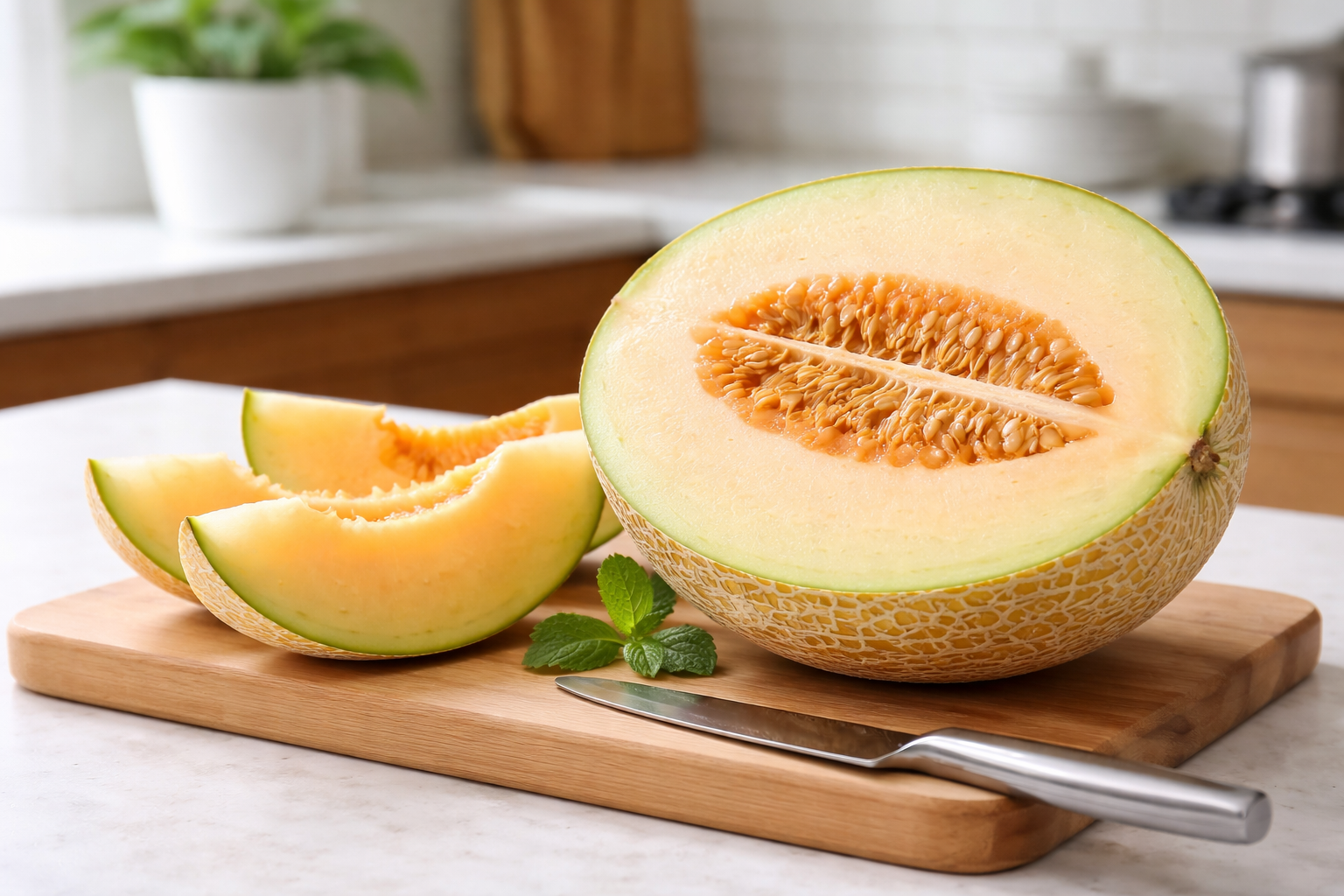
Based on a study report published by Genfa YU1, Guangyong ZHU1* , Xiongjian ZHENG2, here is a summary of the note method, how the authors constructed the Hami melon flavor, and the formula the researchers came up with, complete with flavor descriptors for each compound.
Summary of the Note Method
The note method is a creative approach to flavor formulation that deconstructs a target flavor (like Hami melon) into its fundamental aromatic components, or "notes." Note: Hami melon is a popular melon used by the Chinese.
The process, as described in the paper, involves the following steps:
- Sensory Analysis: The first step is to thoroughly smell and taste the fresh Hami melon fruit to identify its key aroma characteristics.
- Note Identification: Based on this sensory analysis and existing knowledge of aromas, the flavor is broken down into specific notes. For Hami melon, these notes were identified as: Green, Sweety, Melon Fruity, Other Fruity, Winy, and Special.
- Material Selection: Aroma materials (food-grade chemicals) are then selected based on their ability to replicate each of the identified notes.
- Formulation & Evaluation: An initial formula is created by combining these materials. The resulting flavor blend is evaluated by smelling. Based on this evaluation, the formula undergoes numerous adjustments and modifications until the final, desired Hami melon flavor is achieved.
How the Authors Construct the Hami Melon Flavor
The authors construct the Hami melon flavor by building it up layer by layer, using the notes identified in the first step as a blueprint. Each note corresponds to a specific set of aroma chemicals that contribute a particular facet to the overall flavor profile.
- Green Note: Provided by chemicals like leaf alcohol and cis-3-hexenyl acetate, this layer imparts the fresh, cut-grass, vegetal character associated with the raw fruit.
- Sweety Note: Using compounds like ethyl maltol and furaneol, this note replicates the characteristic high sweetness of the Hami melon, a result of Xinjiang's unique growing conditions.
- Melon Fruity Note: This is the core of the flavor, primarily achieved with cis-6-nonenal and melonal. These chemicals are responsible for the distinct "melon-like" aroma.
- Other Fruity Note: A blend of esters like butyl acetate and isoamyl acetate adds complexity and richness, contributing fruity nuances (pear, banana, apple) that make the flavor more well-rounded and not simply "one-dimensional melon."
- Winy Note: Ingredients such as ethyl acetate provide a ripe, slightly fermented, brandy-like undertone that suggests the fruit is fully mature.
- Special Note: This is the most crucial and nuanced layer. It consists of sulfur-containing compounds like methional and dimethyl sulfide. While these can cause off-flavors at high concentrations, when used in minute, highly-diluted amounts, they provide an authenticity and naturalness that is essential to a convincing Hami melon flavor.
By meticulously balancing these six notes, the authors construct a complex and harmonious flavor that mimics the natural aroma of a fresh Hami melon.
Hami Melon Flavor Formula with Descriptors
The following is the data from Table 1 in the document, with the addition of a "Flavor Descriptor" column based on the descriptions provided in the text (primarily from Section 3.2 and Burdock, 2010; Surburg & Panten, 2006).
| No. | Flavor Ingredient | wt % | Flavor Descriptor |
|---|---|---|---|
| 1 | Cis-3-Hexenyl acetate | 0.46 | Powerful, green, fruity note; a prototype for green odor. |
| 2 | Leaf alcohol | 0.005 | Intensely green odor, reminiscent of freshly cut grass. |
| 3 | 40% Acetaldehyde | 1.68 | Characteristic penetrating, green odor; flavor enhancer that helps create fruitiness, juiciness and naturalness. |
| 4 | Paracetaldehyde | 0.012 | Green odor. |
| 5 | Maltol | 0.012 | Sweet odor; often used as a taste intensifier in fruit flavors. |
| 6 | Ethyl maltol | 0.46 | Very sweet odor (4-6 times stronger than maltol). |
| 7 | Furanol | 0.01 | Sweet, fruity odor and taste. |
| 8 | Benzyl alcohol | 0.085 | Slightly sweet odor and a sweet taste. |
| 9 | Cis-6-Nonenal | 0.33 | Main component for melon fruity note. Has a melon fruity odor and taste. |
| 10 | Cis-6-Nonenol | 0.001 | Powerful melon odor and green odor. |
| 11 | Melonal (2,6-dimethyl-5-heptenal) | 0.004 | Powerful, melon, cucumber-like odor and corresponding taste. Invaluable in creating melon character. |
| 12 | Trans-2-cis-6-nonadienol | 0.001 | Intense green odor, reminiscent of cucumber and violet leaf. At 10ppm, it has the characteristic odor and taste of melon and watermelon. |
| 13 | Propyl acetate | 0.02 | Pleasant pear-raspberry-like fruity odor. |
| 14 | Butyl acetate | 3.09 | Intense fruity odor and sweet taste. |
| 15 | Isobutyl acetate | 0.01 | Currant-pear-like fruity odor. |
| 16 | Isoamyl acetate | 3 | Strong banana-like fruity odor. |
| 17 | 2-Methylbutyl acetate | 0.002 | Banana and apple peel-like odor; characteristic taste of sweet fruit at 10ppm. |
| 18 | Hexyl acetate | 0.26 | Pear-like, sweet-fruity odor. |
| 19 | Methyl butyrate | 0.03 | Sweet taste and a fruity odor reminiscent of apple. |
| 20 | Ethyl butyrate | 1.7 | Fruity odor and sweet taste, with a pineapple undertone. |
| 21 | Ethyl levulinate | 1.79 | Green, fruity odor; characteristic taste of green, melon-like fruit at 40ppm. |
| 22 | Methyl acetate | 0.13 | Pleasant, winery, fruity odor; rum, whiskey-like taste at 60ppm. |
| 23 | Ethyl acetate | 3 | Pleasant brandy-like, ethereal fruity odor; sweet, fruity taste. Widely used in brandy and fruit flavors. |
| 24 | Ethyl heptanoate | 0.01 | Winey, brandy odor; characteristic taste reminiscent of cognac. |
| 25 | 1% Methional | 3.93 | At low concentrations (5ppb to 5ppm), has potato, tomato, onion, cheese-like characteristics; strong, meat, onion-like odor. Provides authenticity. |
| 26 | 1% Methyl thiobutyrate | 3.93 | Putrid, sulfureous, rancid, cabbage odor at high concentration; can present tropical fruit top notes at low concentration. Found in melon. |
| 27 | 1% 2-(Methylthio)-ethyl acetate | 0.04 | Fruity odor and sweet melon fruity taste at 1ppm. |
| 28 | 1% Dimethyl sulfide | 0.025 | Unpleasant intense cabbage, wild radish odor at high concentration; has a dairy creaminess, vegetative tomato taste characteristics at 5ppm. |
| 29 | Melon base | 33 | (Note: The paper does not specify the composition of the "Melon base," treating it as a single pre-mixed component.) |
| 30 | Ethanol | 52 | Solvent. |
| 31 | Propylene glycol | 20.969 | Solvent. |
| Total | 100 |
More details on how the authors pick flavor compounds for a specific flavor note
Here is the breakdown of why the authors picked specific compounds for each desired flavor note, based on their explanations in Section 3.2 and Section 3.3:
1. The Green Note Rationale
Desired Functionality: To replicate the fresh, vegetal, "freshly cut" top notes of the fruit.
- Why Leaf Alcohol (Cis-3-hexen-1-ol)? The authors state it has "an intensely green odor, reminiscent of freshly cut grass." It was picked specifically to provide a "natural green top note."
- Why Cis-3-Hexenyl Acetate? It is described as having a "powerful, green, fruity note." It was chosen because it is a "prototype for green odor" and is often used in combination with leaf alcohol to harmonize the green and fruity aspects.
- Why Acetaldehyde? Beyond its green odor, it was selected because it functions as a "flavor enhancer" and can "help create fruitiness, juiciness and naturalness." It has a multi-functional role beyond just being a green note.
- Why Methyl Octyne Carbonate? It was included for its "strong green, fatty odor" and its specific taste association with "unripe cucumber peel," adding a specific vegetal nuance relevant to melons.
2. The Sweety Note Rationale
Desired Functionality: To replicate the intense sweetness of the Xinjiang Hami melon, which is a key characteristic of the fruit.
- Why Maltol and Ethyl Maltol? They were selected because they have a "sweet odor" and are specifically known as "taste intensifier(s) in fruit flavors." Ethyl maltol was prioritized as the "primary ingredient" because its odor is "very sweet" and "four to six times stronger than maltol."
- Why Furaneol? It was picked because it has a dual sensory impact: a "sweet, fruity odor and taste."
- Why Benzyl Alcohol? While it has a sweet note, the authors note it also serves a secondary functionality as "a solvent due to its relatively weak odor," making it a practical choice for the blend.
3. The Melon Fruity Note Rationale
Desired Functionality: To provide the core, characteristic "melon" aroma that distinguishes this flavor from a generic fruity flavor.
- Why Cis-6-Nonenal? This was chosen as the "main component for melon fruity note" specifically because it has a "melon fruity odor and taste."
- Why Melonal (2,6-dimethyl-5-heptenal)? The authors describe it as having a "wonderful effect in imparting the character of melon fruit," stating it is "invaluable in the creation of melon."
- Why Trans-2-cis-6-nonadienol? Interestingly, they note that while it has a cucumber/violet leaf odor, at specific low concentrations (10ppm) it shifts to the "characteristic odor and taste of melon and watermelon." This shows they are selecting based on dosage-dependent functionality.
4. The Other Fruity Note Rationale
Desired Functionality: To add complexity, richness, and roundness to the flavor, preventing it from smelling flat or one-dimensional.
- Why a blend of esters (Acetates and Butyrates)? The authors explain these ingredients can "add enormously to the richness of the melon fruity odor."
- Why specifically these esters? They provide specific functionalities:
- Propyl acetate: Provides a "pear-raspberry" nuance.
- Isoamyl acetate: Provides a "strong banana" nuance.
- Methyl butyrate: Provides an "apple" nuance.
- Ethyl butyrate: Provides a "pineapple undertone."
- The Modifier Function: Crucially, the authors note these compounds have a technical functionality beyond just scent: they "modify the harshness of acetaldehyde and paracetaldehyde," smoothing out the overall blend.
5. The Winy Note Rationale
Desired Functionality: To convey a sense of ripeness and maturity.
- Why Methyl Acetate, Ethyl Acetate, and Ethyl Heptanoate? They were selected because their odors are associated with alcoholic beverages (rum, whiskey, brandy, cognac). The authors state that "Winey note in combination with fruity note can convey a ripe fruity odor," suggesting the fruit is at its peak of maturity.
6. The Special Note Rationale (The Key to Authenticity)
Desired Functionality: To provide the "characteristic of authenticity" and "naturalness." This is the most critical rationale in the paper.
- The Paradox: The authors acknowledge that chemicals like methional and dimethyl sulfide are usually seen as "major contributors to off-flavors" that "seriously degrade the flavor quality."
- Why use them then? The authors argue that the functionality changes with dosage. They state: "when used in high dilution, a proper amount of these compounds can present a characteristic of authenticity and provide wonderful naturalness of odor of Hami fruit."
- Specific Roles:
- Methyl thiobutyrate: Though it has a "putrid, cabbage" odor at high levels, it was picked because at low levels it can "present tropical fruit top notes."
- Methional: At low ppb levels, it provides "potato, tomato, onion" nuances that add savory depth.
- Dimethyl sulfide: At low levels, it shifts from "cabbage" to "dairy creaminess, vegetative tomato taste."
The authors explicitly chose these sulfur compounds not for their dominant smell, but for their functional ability to fill in the gaps and make the synthetic flavor smell "real" rather than just "fruity." d
For the complete research report, visit here.
###