How to Make a Salsa Sauce Flavor? Salsa Flavor Formulas Provided
How to make a salsa sauce flavor
Creating a salsa sauce flavor—whether for a savory snack, beverage, or seasoning—requires capturing the key notes of fresh salsa: tomato, onion, garlic, chili heat, acidity, and herbaceous freshness. Here’s a structured approach to designing it:
1. Identify the Key Flavor Components
A typical salsa flavor has these primary notes:
| Flavor Note | Typical Sources / Compounds | Role in Flavor |
|---|---|---|
| Tomato / Sweet | Tomato puree, tomato powder, maltodextrin with tomato extract | Base, sweetness |
| Acidity / Tang | Citric acid, malic acid, vinegar powder | Brightness, freshness |
| Onion | Onion powder, dehydrated onion, sulfur compounds (e.g., dipropyl disulfide) | Savory depth |
| Garlic | Garlic powder, roasted garlic extract | Aroma & bite |
| Chili / Heat | Capsaicin, paprika, chili powder | Spicy kick |
| Herbs | Cilantro, parsley, oregano, chive powders | Herbal, green notes |
| Salt / Umami | Salt, monosodium glutamate (MSG), tomato solids | Enhances overall flavor |
2. Build a Base Flavor
A simple starting ratio (adjust for target product) could be:
- Tomato note: 40–50% of the flavor intensity
- Acidity: 10–15%
- Onion & garlic: 15–20% (roughly 2:1 onion:garlic)
- Chili heat: 5–10%
- Herbs & spices: 5–10%
- Salt & umami: 5–10%
(Percentages are relative to total flavor concentrate, not weight of final food.)
3. Example Lab-Scale Flavor Formula (Dry Flavor Concentrate)
| Ingredient | Function | Usage % (of flavor) |
|---|---|---|
| Tomato powder | Tomato base | 40% |
| Citric acid | Sour / acidity | 10% |
| Onion powder | Savory depth | 12% |
| Garlic powder | Savory aroma | 6% |
| Paprika (smoked or sweet) | Mild heat & color | 5% |
| Chili powder / capsaicin | Heat | 5% |
| Dehydrated cilantro / parsley | Herbaceous note | 5% |
| Salt | Saltiness / flavor enhancer | 10% |
| Maltodextrin | Carrier / body | 7% |
Mix and test in water or oil depending on your end application (sauce, snack seasoning, beverage). Adjust chili or acidity according to desired intensity.
4. Tips to Make it More “Authentic”
- Fresh / bright tomato note: Add small amounts of tomato ketones or tomato paste extract for green-fresh tomato aroma.
- Complexity: Include trace amounts of smoky aldehydes (like 2-methylbutanal) for roasted tomato/vegetal notes.
- Heat balance: Blend chili types (e.g., paprika + cayenne) for a natural heat progression.
- Roundness: A touch of sugar or natural sweeteners balances acidity and chili.
A professional, lab-ready salsa flavor formula
Here is a professional, lab-ready salsa flavor formula that could be used in snacks, sauces, or seasonings. Both natural flavoring agents and key aroma compounds are used for a realistic, layered salsa taste. This is structured as a flavorist’s formula.
Full Ready-to-Use Salsa Flavor Formula (Lab Scale)
| Ingredient / Compound | Function / Notes | Approx. % of Flavor |
|---|---|---|
| Tomato puree powder | Base tomato flavor, sweetness | 30% |
| Tomato ketone (cis-3-hexenal) | Fresh green tomato aroma | 1.5% |
| Citric acid | Bright, tangy sourness | 7% |
| Malic acid | Fruity sour accent | 3% |
| Onion powder (dehydrated) | Savory foundation | 12% |
| Garlic powder (roasted) | Aromatic, savory | 6% |
| Capsaicin / chili extract | Heat / chili bite | 4% |
| Paprika extract (sweet or smoked) | Mild heat, red color, subtle smokiness | 5% |
| Dehydrated cilantro leaf powder | Fresh herbaceous note | 3% |
| Oregano leaf powder | Earthy, green herb depth | 2% |
| Parsley powder | Fresh, slightly bitter green note | 2% |
| Tomato solids (umami) | Boosts savory / mouthfeel | 4% |
| Monosodium glutamate (MSG) | Umami enhancer | 4% |
| Sugar / dextrose | Balances acidity and chili | 5% |
| Maltodextrin | Carrier, body, stabilizes flavor | 7% |
| 2-Methylbutanal | Roasted, savory aldehyde accent | 0.5% |
| Hexanal | Green, leafy tomato aroma | 1% |
| β-Ionone | Subtle tomato/vegetal aroma | 0.5% |
| Limonene / citrus peel oil | Light citrus brightness for freshness | 0.5% |
| Sodium chloride (salt) | Saltiness, flavor balance | 5% |
Notes on Usage & Application
- Mixing: Blend all powders first, then add liquid extracts if making a wet sauce.
- Adjusting heat: Reduce or increase chili extract depending on end product spiciness.
- Freshness boost: Adding 0.5–1% green bell pepper powder or fresh tomato extract can enhance the “pico de gallo” effect.
- Shelf-stable snack use: Keep the moisture <5% to prevent caking. Maltodextrin helps with flowability.
- Flavor balance: Adjust sugar or citric acid for desired sweetness/sourness ratio.
Here is a ready-to-use formula designed for chips or powdered seasoning which needs a stronger, more stable, and “impactful” flavor that survives heat and storage, while still tasting like fresh salsa. This means slightly more roasted and umami notes, a touch of smoked/chili complexity, and a carrier system that prevents clumping.
A ready-to-use, chip/powder optimized salsa flavor formula
Salsa Flavor Formula – Optimized for Chips / Powder Seasoning
| Ingredient / Compound | Function / Notes | Approx. % of Flavor |
|---|---|---|
| Tomato powder (spray-dried) | Base tomato flavor, sweetness; good powder stability | 28% |
| Tomato paste extract (concentrated) | Intensifies tomato notes, umami | 6% |
| Onion powder (dehydrated, roasted) | Savory depth; roasted powder holds up in chips | 12% |
| Garlic powder (roasted) | Aromatic, roasted note | 8% |
| Capsaicin / chili extract (powder) | Heat; use microencapsulated for stability | 4% |
| Paprika (smoked) | Color, mild smokiness, extra chili complexity | 5% |
| Citric acid | Sourness / brightness | 6% |
| Malic acid | Fruity tartness, balances roasted notes | 2% |
| Dehydrated cilantro powder | Herbaceous green note | 2% |
| Oregano powder | Earthy, herb depth | 2% |
| Parsley powder | Mild freshness | 2% |
| Tomato solids (umami) | Enhances savory, meaty depth | 4% |
| Monosodium glutamate (MSG) | Umami enhancer | 5% |
| Sugar / dextrose | Balances acidity and chili, adds light sweetness | 5% |
| Maltodextrin (DE10–20) | Carrier, anti-caking, stability | 8% |
| 2-Methylbutanal | Roasted, savory aldehyde accent | 0.5% |
| Hexanal | Green leafy tomato aroma | 0.5% |
| β-Ionone | Subtle tomato/vegetal aroma | 0.5% |
| Sodium chloride (salt) | Saltiness, flavor balance | 5% |
| Optional: Green bell pepper powder | Fresh “pico de gallo” top note | 0.5–1% |
Optimization Notes for Chips / Powders
- Microencapsulation: Encapsulate capsaicin or delicate aroma compounds (hexanal, β-ionone) to prevent loss during frying or baking.
- Carrier selection: Maltodextrin ensures powder flows well, resists clumping, and carries fat-soluble compounds.
- Roasted notes: Using roasted onion, garlic, paprika, and 2-methylbutanal helps the flavor survive high-heat extrusion or frying.
- Balance acidity: Citric + malic acids should be slightly lower than fresh salsa to avoid “too sharp” taste on dry chips.
- Shelf stability: Keep moisture below 5%; store in airtight containers to maintain potency.
Below is a super high-impact salsa flavor for chips—this is the type of flavor you’d find in premium commercial salsa-flavored snacks. The focus here is bold tomato, roasted notes, intense chili, herbaceous punch, and strong shelf stability. The formula also enlist aroma boosters to make the first bite pop.
A Super High-Impact Salsa Flavor – Chips / Powder Optimized
| Ingredient / Compound | Function / Notes | Approx. % of Flavor |
|---|---|---|
| Tomato powder (spray-dried, high-solids) | Base tomato flavor, bright & sweet, good powder stability | 25% |
| Tomato paste extract | Intensifies cooked tomato & umami | 6% |
| Roasted onion powder | Savory, roasted depth | 12% |
| Roasted garlic powder | Bold roasted aroma | 8% |
| Paprika (smoked + sweet blend) | Red color, mild smokiness, complexity | 6% |
| Microencapsulated chili extract / capsicum | Intense heat, long-lasting, controlled release | 5% |
| Citric acid | Tangy brightness | 5% |
| Malic acid | Fruity sharpness, balances roasted notes | 2% |
| Dehydrated cilantro + parsley blend | Fresh herbaceous top notes | 3% |
| Oregano powder | Earthy depth | 2% |
| Tomato solids (umami) | Enhances savory, boosts tomato perception | 5% |
| Monosodium glutamate (MSG) | Umami enhancer | 6% |
| Sugar / dextrose | Balances acidity, chili, and roasted notes | 4% |
| Maltodextrin (DE10–20) | Carrier, anti-caking, stabilizes fat-soluble flavors | 8% |
| 2-Methylbutanal | Roasted, meaty aldehyde accent | 0.5% |
| Hexanal | Green, leafy tomato aroma | 0.5% |
| β-Ionone | Subtle tomato / vegetal aroma | 0.5% |
| Limonene / citrus peel oil (microencapsulated) | Fresh citrus top note | 0.5% |
| Fried / roasted tomato powder | Adds cooked tomato, roasted punch | 3% |
| Sodium chloride (salt) | Saltiness, flavor balance | 5% |
| Optional: Green bell pepper powder | Adds fresh “pico de gallo” lift | 1% |
High-Impact Features & Tricks
- Aroma intensity:
- Roasted aldehydes like 2-methylbutanal + fried tomato powder create immediate “roasted salsa” punch.
- Microencapsulated hexanal & limonene preserve fresh top notes even after frying.
- Heat profile:
- Microencapsulated chili gives initial hit + lingering warmth, ideal for chips.
- Blend smoked + sweet paprika for depth and color.
- Savory/umami depth:
- Tomato solids + MSG + roasted powders → ensures flavor survives storage and heat.
- Shelf stability & flow:
- Maltodextrin carrier keeps powder free-flowing, prevents caking.
- Keep moisture <5% and use airtight packaging.
- Taste profile:
- Bright tomato and citrus notes hit first.
- Roasted garlic, onion, and paprika follow.
- Chili heat lingers pleasantly.
This formula is essentially what a commercial “bold salsa chips” flavor would use. The layering of fresh, roasted, and spicy notes makes it taste “just-opened” even after months of storage. t
###
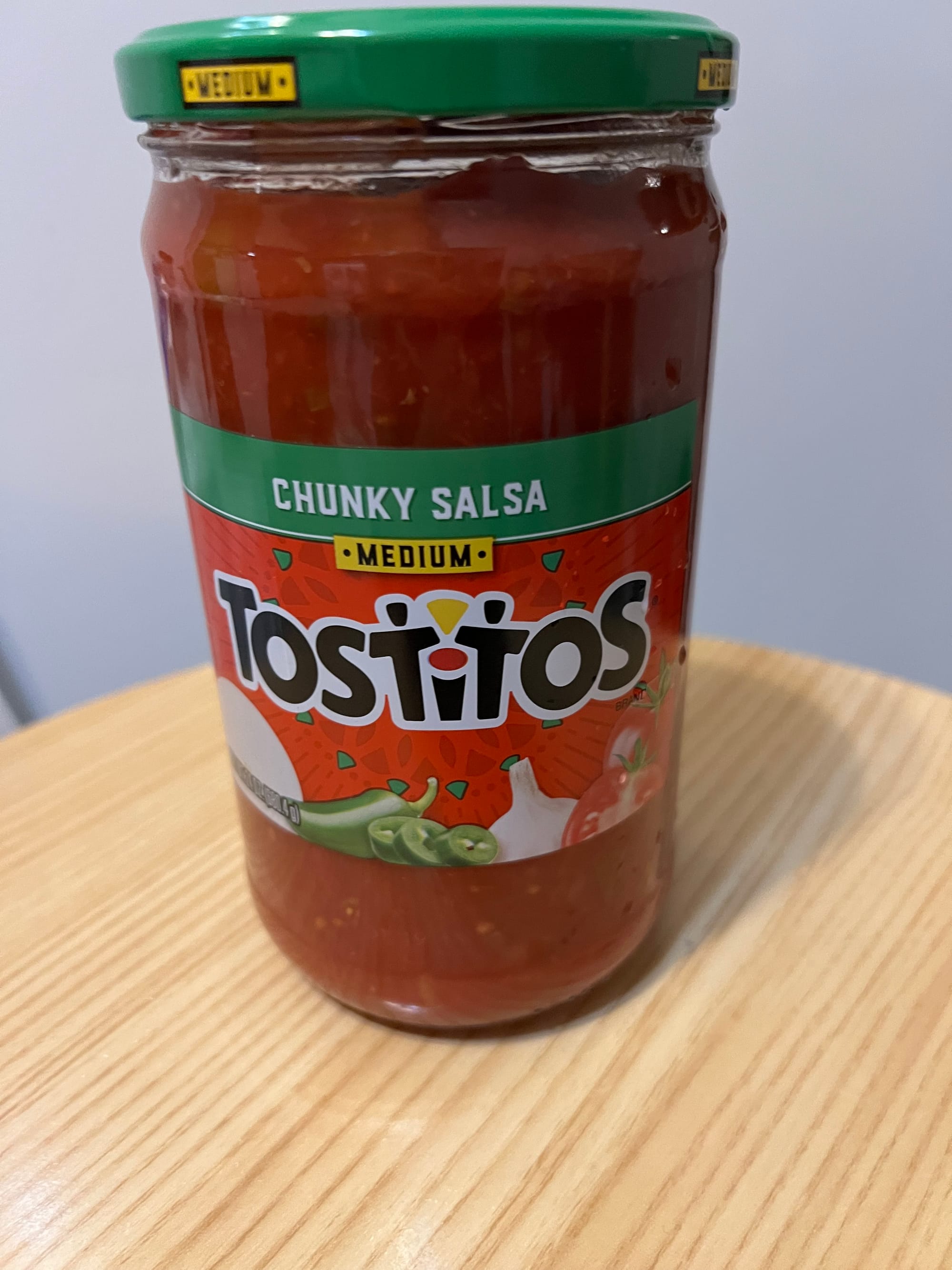
How to open the Tostitos Salsa Jar?
How to open the You tear open a chip bag or already have a handful of chips ready, only to find that the salsa jar is stubbornly sealed. Why is that? The resistance you're encountering is due to a vacuum inside the jar, which forms as a result of the hot-filling process used for many salsas.
When the jar is filled with hot salsa, heat causes the air inside to expand and escape. Once the jar is sealed and begins to cool, the remaining air contracts, creating a partial vacuum. This reduction in internal pressure makes the lid difficult to remove.
The most effective way to open a stubborn salsa jar is to turn it upside down and run hot water over the lid for 10 to 15 seconds. The heat causes the lid to expand slightly, breaking the seal. Afterward, wearing heavy-duty rubber gloves can provide extra grip, allowing you to open the jar with minimal effort.
Avoid using utensils like spoons or knives to pry the lid open—they can damage the lid or cause the glass to crack, potentially leaving unnoticed fragments in the food.