Oyster Sauce Fried Rice Flavor Is Surging: Why This Umami-Rich Cooking Trick Is Trending
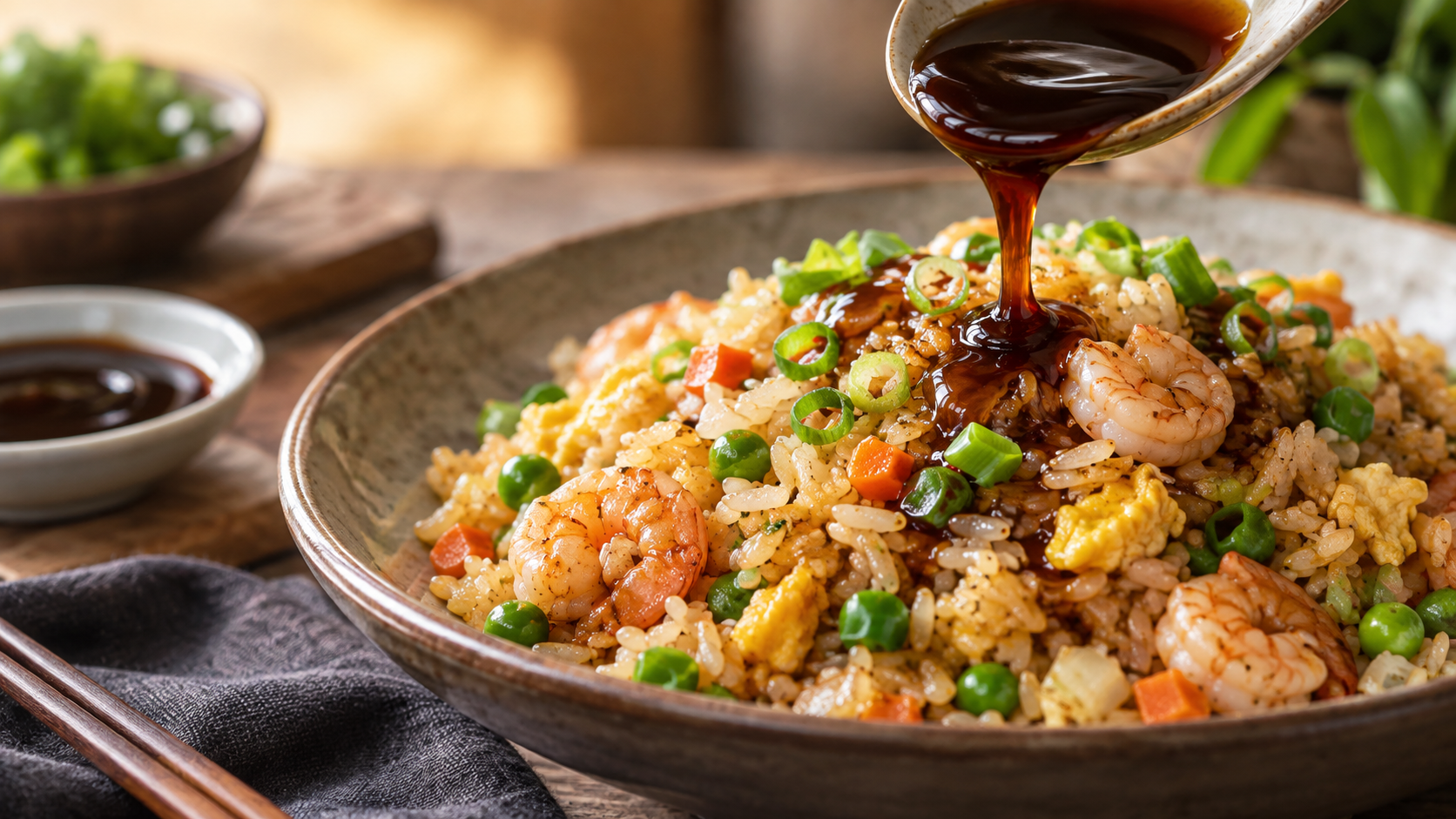
Interest in oyster sauce fried rice flavor is suddenly climbing, and a newly published food story appears to be one of the clearest catalysts behind the renewed attention. The emerging takeaway is simple: cooks trying to make homemade fried rice taste richer and more like restaurant fried rice may want to look beyond soy sauce and add oyster sauce.
A Sept. 14, 2026 article from Tasting Table focuses specifically on this idea, recommending oyster sauce as a way to give fried rice deeper, more complex flavor. Rather than replacing soy sauce entirely, the story explains that oyster sauce can complement it, bringing a savory-sweet quality and concentrated umami that soy sauce alone may not provide. (Tasting Table) Read the Tasting Table story
What Does Oyster Sauce Add to Fried Rice Flavor?
The appeal comes down to a combination of umami, saltiness, subtle sweetness and body.
Soy sauce is thin and strongly salty, with fermented notes that season rice quickly. Oyster sauce is much thicker. Its concentrated savory character can round out that saltiness while adding sweetness and a glossy coating to individual grains of rice.
Tasting Table describes oyster sauce as especially useful because its syrupy consistency sticks to the rice rather than simply soaking into it. The publication recommends combining oyster sauce and soy sauce so each condiment performs a different role: soy sauce contributes salt and fermented flavor, while oyster sauce adds fuller savory-sweet depth. (Tasting Table)
That distinction helps explain why the phrase “oyster sauce fried rice flavor” is resonating with home cooks. The trend is less about inventing a completely new type of fried rice and more about identifying the ingredient that can create the flavor people associate with a satisfying restaurant-style dish.
Does Oyster Sauce Make Fried Rice Taste Fishy?
Despite its name, oyster sauce generally does not create an aggressively seafood-like fried rice.
Commercial oyster sauces are typically made with oyster extract or oyster juice alongside ingredients such as sugar, salt and thickeners. Kikkoman, for example, describes its oyster-flavored sauce as having a savory taste balanced by sweetness and a thick consistency designed to add body and sheen. Its ingredient list includes oyster juice concentrate and oyster extract. (Kikkoman USA) See Kikkoman’s oyster sauce description
That combination produces the deep brown, umami-forward character people are seeking without making fried rice taste simply like oysters.
It also explains why oyster sauce works particularly well alongside eggs, chicken, beef, shrimp, onions, scallions and vegetables. Instead of dominating those ingredients, it functions as a flavor foundation tying them together.
Oyster Sauce in Fried Rice Is Not Actually New
Although the current search spike makes oyster sauce fried rice feel like a new food trend, the culinary combination itself is well established.
Lee Kum Kee, one of the best-known producers of oyster sauce, has multiple official fried-rice recipes built around the condiment. One basic version combines cooked rice, ham, shrimp, egg, onion and ginger with two tablespoons of oyster sauce and sesame oil. (Lee Kum Kee USA) See Lee Kum Kee’s fried rice with oyster sauce recipe
Another official Lee Kum Kee recipe pairs oyster sauce with soy sauce in fried rice containing char siu, eggs, shallots and green onions. That recipe uses two tablespoons of oyster sauce alongside a smaller quantity of soy sauce, illustrating exactly the kind of layered seasoning now drawing renewed attention online. (Lee Kum Kee USA) See Lee Kum Kee’s fried rice recipe
The sauce itself also has a long history. Lee Kum Kee says company founder Lee Kum Sheung created oyster sauce in Guangdong, China, in 1888. The company now markets numerous oyster-based and oyster-flavored sauces internationally. (Lee Kum Kee USA) Read the Lee Kum Kee company history
So the real news is not the invention of oyster sauce fried rice. It is the rediscovery and renewed online visibility of oyster sauce as a fried-rice flavor booster.
Why Oyster Sauce Fried Rice Can Taste More Like Takeout
Seasoning is only part of great fried rice, but oyster sauce addresses a common complaint among home cooks: fried rice that looks correct yet tastes flat.
Because oyster sauce contains concentrated savory and sweet components, a relatively small quantity can add several flavor dimensions at once. Tasting Table suggests beginning with roughly one to two tablespoons for four servings, then adjusting to taste. It also notes that cooks can thin the sauce slightly with water, stock or rice wine to help distribute it more evenly. (Tasting Table)
Technique still matters. Using rice that is relatively dry, cooking over sufficiently high heat and avoiding an overloaded pan can help produce separate grains rather than steamed or mushy rice. Oyster sauce cannot compensate completely for excess moisture or low cooking temperatures, but it can provide the deeper seasoning many cooks are looking for once the texture is right.
Vegetarian Oyster Sauce Is Expanding the Trend
The flavor profile is also accessible to people who do not eat oysters.
Mushroom-based and vegan oyster-style sauces are increasingly used to reproduce the same savory-sweet effect. Lee Kum Kee, for example, publishes a vegetarian fried-rice recipe using vegan oyster sauce alongside soy sauce, sesame oil, dark soy sauce and white pepper. (Lee Kum Kee USA)
That means the oyster sauce fried rice flavor trend is not necessarily limited to conventional oyster-derived products. For many cooks, what matters most is the combination of umami, sweetness and sauce texture.
Why “Oyster Sauce Fried Rice Flavor” Is Trending Now
Against the reported search surge, the timing makes sense. The Sept. 14 Tasting Table article presents oyster sauce as an easy answer to a widely searched cooking problem: how to make homemade fried rice taste more flavorful.
The story packages a longstanding Asian pantry ingredient as a practical cooking hack for people accustomed to reaching automatically for soy sauce. Existing recipes from major sauce producers reinforce that the idea has a substantial culinary foundation rather than being merely a viral experiment.
Ultimately, oyster sauce fried rice is trending because it promises a noticeable improvement without requiring a complicated recipe. A small amount can add salty-sweet depth, umami and a glossy finish, while soy sauce, aromatics and high-heat cooking contribute the remaining layers.
For home cooks chasing restaurant-style fried rice flavor, the renewed message is straightforward: soy sauce may season the rice, but oyster sauce can provide the extra depth that makes the finished dish taste richer, rounder and more complete.
The strongest fresh news peg is the September 14 Tasting Table article; the other sources provide primary-source confirmation that oyster sauce has long been used this way, rather than suggesting the flavor itself was newly invented.
###