Slow Cooker: The Comeback of Low-and-Slow Cooking and a New World of Savory Flavor Opportunities
FEATURE ARTICLE | FOOD TRENDS, CONSUMER INSIGHTS & SAVORY FLAVOR INNOVATION | OCTOBER 2026
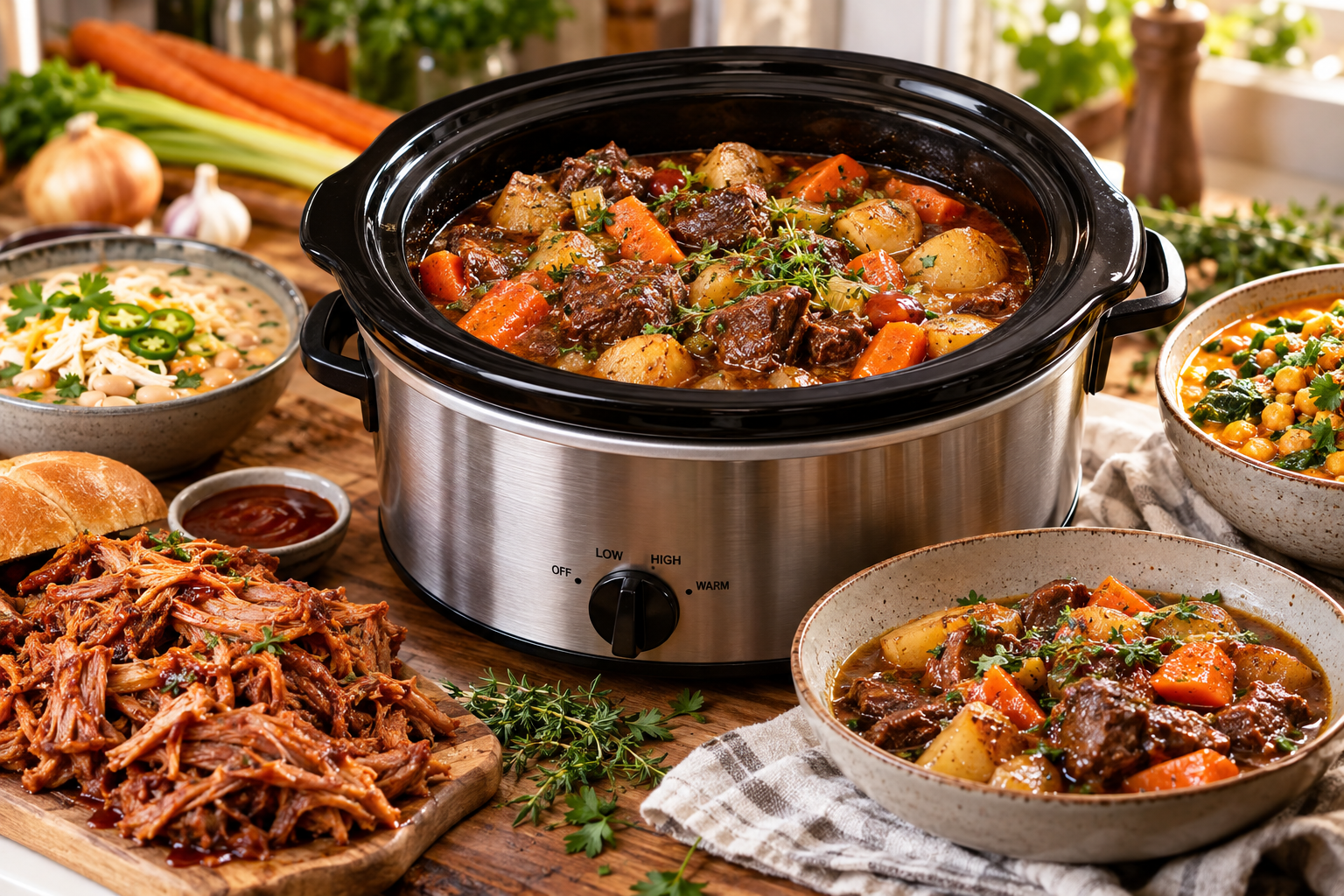
The slow cooker is having a moment again, and this time, it is about more than convenience. From hearty slow cooker beef stew and tender pulled pork to globally inspired chicken dishes, plant-based curries, and high-protein meal prep, this familiar countertop appliance is becoming a versatile tool for creating satisfying meals with minimal hands-on effort.
For consumers, the appeal is straightforward: less active cooking, fewer pots to wash, practical ingredients, and the comforting aroma of a meal cooking throughout the day. For savory flavorists and food manufacturers, however, the slow cooker represents something equally interesting: an opportunity to explore how flavors develop, interact, and change during extended periods of moist, low-temperature cooking.
And the search landscape supports renewed attention. One third-party keyword intelligence report from KWS Trends, updated October 27, 2026, estimates approximately 450,000 monthly U.S. searches for "slow cooker recipes," with growing interest in easy slow cooker recipes, chicken dishes, pulled pork, and classic comfort foods. These figures are estimates rather than verified Google search counts, but they illustrate the size of the opportunity.
Why the Slow Cooker Is Relevant Again in 2026
Today's consumers want more from their kitchens without necessarily spending more time cooking. The slow cooker fits the intersection of convenience, value, comfort, and homemade food.
Unlike appliances designed around speed or high-temperature crisping, a slow cooker relies on time, enclosed moisture, and sustained heat. It allows consumers to start a meal earlier in the day and return to a finished dish, without the continuous attention required by stovetop cooking.
The timing is especially relevant during the fall and winter months, when searches for slow cooker recipes typically gain momentum. In October 2026, the social media trend known as Crocktober is also encouraging home cooks to share daily crockpot meals, simple dinner ideas, and seasonal comfort foods.
Several consumer motivations are helping keep slow cooking relevant:
- Convenience: Easy slow cooker recipes and dump-and-go slow cooker meals reduce active preparation.
- Affordability: Less expensive cuts such as beef chuck, pork shoulder, and chicken thighs can become tender, satisfying meals.
- Meal preparation: Large batches of chili, soups, sauces, and shredded meats support weekly meal planning.
- Protein-focused eating: Slow cooker chicken recipes, beef dishes, beans, and lentil meals fit many high-protein meal plans.
- Flavor exploration: Familiar slow cooker dishes provide accessible formats for global seasonings, savory sauces, and new flavor combinations.
For consumers, these benefits turn the slow cooker into a practical everyday appliance. For the food industry, they create opportunities to offer ingredients, sauces, seasoning blends, and meal solutions specifically designed for low-and-slow cooking.
What Can You Cook in a Slow Cooker? More Than Soups and Stews
The slow cooker has traditionally been associated with pot roast, beef stew, chicken soup, and chili. Those dishes remain popular, but the appliance's possibilities extend much further.
Food Network's September 2026 collection of easy slow cooker recipes includes everything from beef bourguignon and honey-garlic chicken thighs to bread and desserts. This broader recipe landscape demonstrates how the appliance can be used across different meal occasions and flavor profiles.
Beef and hearty meat dishes
Slow cooker pot roast, beef stew, short ribs, beef barbacoa, and shredded beef benefit from long moist cooking that softens connective tissue and develops a rich, cohesive sauce. Flavor opportunities include roasted garlic, onion, mushroom, black pepper, and red wine-style notes.
Chicken and poultry
Slow cooker chicken recipes range from salsa chicken and chicken tortilla soup to creamy chicken dishes and garlic-herb chicken thighs. Their relatively mild protein base works with citrus, ginger, garlic, herbs, chilies, and creamy or tomato-based sauces.
Pork and barbecue favorites
Slow cooker pulled pork, carnitas-style pork, pork ragù, and honey-garlic pork deliver tenderness and easily portioned servings. Smoke, molasses, brown sugar, vinegar, mustard, and pepper can help create a balanced barbecue flavor without requiring a smoker.
Vegetarian and plant-based meals
Lentil stews, chickpea curries, mushroom ragù, and vegetable chili offer opportunities to develop savory depth without meat. Mushrooms, tomato paste, nutritional yeast, miso, herbs, and spices can contribute umami and complexity.
Globally inspired meals
Korean-style gochujang beef, Mexican-inspired barbacoa, Indian-inspired butter chicken, Mediterranean chicken, and Thai-style coconut curry demonstrate how the slow cooker can bring internationally inspired flavors into everyday meals.
This range is especially valuable for savory flavor innovation because the same appliance can accommodate markedly different protein systems, sauces, cooking times, and culinary traditions.
The Science of Slow Cooker Flavor: What Happens During Long Cooking?
A slow cooker is more than a heating device. It creates a moist, enclosed cooking environment where ingredients soften, soluble flavor compounds move into the cooking liquid, and different sensory characteristics become integrated.
Three processes are particularly important for savory flavor development.
First, collagen-rich proteins become tender. During extended cooking, collagen in suitable cuts of meat gradually converts into gelatin. This contributes to the succulent mouthfeel and sauce body associated with dishes such as beef pot roast, pork shoulder, and slow cooker short ribs.
Second, flavors migrate and mingle. Water-soluble compounds from vegetables, stocks, proteins, spices, and seasonings diffuse into the surrounding liquid. The resulting dish may taste more integrated than one prepared with very brief cooking.
Third, the aroma profile changes over time. Some flavor compounds are extracted or transformed during cooking, while others, particularly delicate volatile notes, can diminish. Garlic may become less pungent, dried herbs may blend into the sauce, and certain spices can take on a more rounded character.
An important distinction for flavorists is that slow cooking is not the same as browning. The moist cooking environment does not generally generate the strong Maillard-derived roasted notes produced by searing meat or sautéing onions. Those desirable browned, roasted, and caramelized characteristics often need to be introduced through a preliminary browning step, roasted ingredients, or carefully designed savory flavor systems.
This distinction is central to successful slow cooker flavor development: long cooking can integrate and transform flavor, but it does not automatically create every type of savory complexity.
The Savory Flavorist's Opportunity: Designing Flavors That Survive the Slow Cooker
For a savory flavorist, one of the most important considerations is the cooking process itself. A flavor that performs well in a quick stovetop sauce may not deliver the same sensory experience after six or eight hours in a slow cooker.
Prolonged heating can change aroma intensity, flavor balance, texture, and perceived richness. Meanwhile, liquid released from meat and vegetables can dilute the intended flavor concentration.
This creates an opportunity to develop flavor systems specifically optimized for slow cooker recipes.
Five flavor challenges worth solving
| Flavor challenge | Opportunity for savory flavor development |
|---|---|
| Loss of bright top notes | Develop heat-stable flavor bases paired with fresh finishing flavors |
| Limited browning | Incorporate roasted meat, caramelized onion, toasted spice, and browned vegetable notes |
| Flavor dilution | Build concentrated seasoning systems with sufficient impact after meat and vegetable juices are released |
| Flat or overly blended flavor | Layer umami, acidity, spice, sweetness, and aromatic complexity |
| Inconsistent flavor delivery | Test sauces and seasonings across cooking durations, protein types, and slow cooker settings |
The most promising approach is not necessarily to make flavors stronger. It is to make them more balanced, durable, and appropriate for the cooking conditions.
For example, a slow cooker beef flavor could combine beefy umami, roasted onion, black pepper, mushroom, and subtle browned notes. A chicken flavor might emphasize roasted chicken, garlic, herb, and stock character, while leaving room for fresh lemon or parsley at serving.
Layering is especially important. According to the American Heart Association's slow cooker guidance, fresh herbs and lemon juice are effective finishing ingredients because they restore brightness that may be lost during extended cooking.
Six Savory Flavor Directions for Slow Cooker Innovation in 2026
The opportunities extend beyond traditional roast beef and chicken broth. Current food-industry forecasts continue to highlight globally inspired flavors, comforting nostalgia, sweet-spicy combinations, fermentation, and umami-rich culinary profiles. The Institute of Food Technologists and Kerry's 2026 flavor outlooks both point toward more layered savory experiences.
1. Korean-inspired sweet heat and umami
Gochujang, soy sauce, garlic, ginger, sesame, and brown sugar can form the foundation for Korean-inspired slow cooker beef or chicken. A heat-stable savory base with a fresh or spicy finishing glaze can provide both depth and impact.
2. Mexican-inspired chile and braised meat flavors
Birria-style beef, chipotle chicken, and barbacoa offer platforms for dried chilies, roasted tomato, cumin, oregano, garlic, and smoky notes. These flavors suit shredded meat applications, tacos, rice bowls, and meal prep.
3. Elevated comfort and roasted savory flavors
Classic pot roast and beef stew can be updated with slow-roasted onion, mushroom, garlic, thyme, black pepper, and reduced-stock notes. These profiles provide familiarity while offering a more restaurant-inspired eating experience.
4. North African and Mediterranean spice profiles
Harissa, preserved lemon, cumin, coriander, paprika, rosemary, and olive flavors can turn simple slow cooker chicken or chickpea meals into distinctive global-inspired dishes.
5. Asian-inspired coconut, curry, and aromatic blends
Ginger, lemongrass, curry spices, coconut, and chili create opportunities for chicken, vegetable, and legume meals. Formulating separate finishing components can help preserve delicate citrus and herb character.
6. Plant-based umami and smoky depth
Mushroom, tomato, miso, fermented ingredients, roasted vegetable, and smoke flavors offer solutions for creating a more substantial savory experience in lentil stews, bean chili, and vegetable-based slow cooker meals.
These directions also align with a larger 2026 trend: consumers are combining familiar meal formats with more adventurous flavors. An ordinary shredded chicken dinner can become Korean-inspired barbecue chicken, while a traditional beef stew can be reimagined with chipotle, smoked paprika, or Mediterranean herbs.
From Flavor Concept to Product: Where Manufacturers Can Innovate
Slow cooker popularity creates opportunities that go beyond individual recipes. Food manufacturers can make slow cooking more approachable by simplifying flavor preparation and delivering consistent results.
Potential slow cooker product concepts
| Product format | Flavor innovation opportunity |
|---|---|
| Dry seasoning packets | Pot roast, garlic-herb chicken, smoky chili, birria-inspired beef |
| Concentrated liquid sauces | Gochujang BBQ, mushroom gravy, honey-garlic, tomato-braised sauces |
| Cooking pastes | Harissa, curry, caramelized onion, chipotle, roasted garlic |
| Broth and stock concentrates | Rich chicken, beef jus, mushroom umami, roasted vegetable |
| Two-stage flavor kits | Long-cooking savory base plus finishing sauce, herb, citrus, or spice component |
| Refrigerated meal kits | Portioned proteins, vegetables, and seasonings designed for slow cooking |
Among these, two-stage seasoning systems are particularly interesting. Consumers want convenient slow cooker meals, but long cooking can soften or reduce fresh aromatic notes. A product that separates the long-cooking flavor base from the finishing components could provide a more complete sensory experience with minimal additional work.
For example, a slow cooker pulled pork kit might feature a concentrated smoke-and-spice base for cooking and a tangy barbecue finishing sauce. A slow cooker chicken curry kit might provide a cooked curry base along with a final aromatic component that restores citrus and herb brightness.
These concepts offer manufacturers an opportunity to address real cooking challenges rather than simply introduce another seasoning flavor.
Slow Cooker Cooking Tips for Better Flavor at Home
The best slow cooker recipes depend on how ingredients are selected, layered, and finished.
A few cooking techniques make a noticeable difference in the final meal.
- Brown meat when richer roasted flavor is desired. Searing chuck roast or chicken before slow cooking can introduce Maillard-derived savory notes.
- Avoid adding too much liquid. Slow cookers retain substantial moisture, and vegetables and meat release their own juices. Follow a tested recipe rather than automatically covering everything in broth.
- Use sturdy herbs and spices early. Bay leaves, dried thyme, rosemary, cumin, and some other robust seasonings generally tolerate long cooking better than delicate fresh herbs.
- Save delicate flavors for the finish. Lemon juice, fresh parsley, cilantro, tender greens, and some dairy ingredients are often best added late.
- Build in savory depth. Tomato paste, sautéed onion, mushroom, stock concentrate, and properly balanced umami ingredients can help prevent bland flavor.
- Taste and adjust before serving. A small amount of vinegar, citrus, black pepper, or appropriate seasoning may bring a long-cooked dish into balance.
These approaches are consistent with guidance from Food Network and the American Heart Association.
Food safety is equally important. The USDA recommends thawing meat and poultry before slow cooking, cooking to appropriate safe internal temperatures, and using the Warm setting only for holding food that has already been fully cooked. Leftovers should be reheated with a suitable faster method, rather than from cold in a slow cooker.
The Future of the Slow Cooker: Convenience Meets Culinary Creativity
The resurgence of the slow cooker is not simply a return to an older cooking technique. It reflects how home cooking is evolving.
Consumers are searching for solutions that offer the comfort of homemade food without demanding hours of active preparation. They want affordable meals, satisfying proteins, flexible leftovers, and exciting flavors that can fit into everyday routines.
The slow cooker answers many of these needs, while giving savory flavorists a distinctive cooking environment to explore.
For the flavor industry, the opportunity lies in creating products that deliver flavor not just when they enter the cooking pot, but when they reach the plate several hours later. That means developing savory depth, managing the impact of prolonged heat, balancing umami and acidity, and protecting the aromatic details that make a dish memorable.
From classic slow cooker beef stew to Korean-inspired chicken, smoky pulled pork, fragrant curries, and plant-based chili, the possibilities are extensive.
The slow cooker may work slowly, but its potential for savory flavor innovation is moving forward.
FAQ
What is the difference between a slow cooker and a Crock-Pot?
A slow cooker is the general category of countertop cooking appliance. Crock-Pot is a well-known brand of slow cooker, although consumers often use the term crockpot to describe the entire category.
What foods are best cooked in a slow cooker?
Beef chuck roast, pork shoulder, chicken thighs, soups, stews, chili, braised dishes, and many bean or lentil recipes are well suited to slow cooking. The best results generally come from moisture-rich recipes developed for the appliance.
How do you add more flavor to slow cooker recipes?
Start with flavorful stock, aromatics, herbs, and spices. Brown selected ingredients when possible, avoid excessive liquid, and finish with fresh herbs or acidity to create a more balanced savory profile.
Can you make healthy slow cooker meals?
Yes. Slow cooker meals can incorporate lean proteins, vegetables, beans, lentils, and whole grains. Their nutritional profile depends on the ingredients, portions, and recipe rather than the appliance alone.
Can you use a slow cooker for meal prep?
Yes. Slow cookers are well suited to batch-cooking shredded chicken, pork, stews, soups, and sauces that can be portioned for future meals and promptly refrigerated or frozen.