Technology is Now Available for Cultivating Morel Mushroom: One of the World’s Most Prized Delicacies
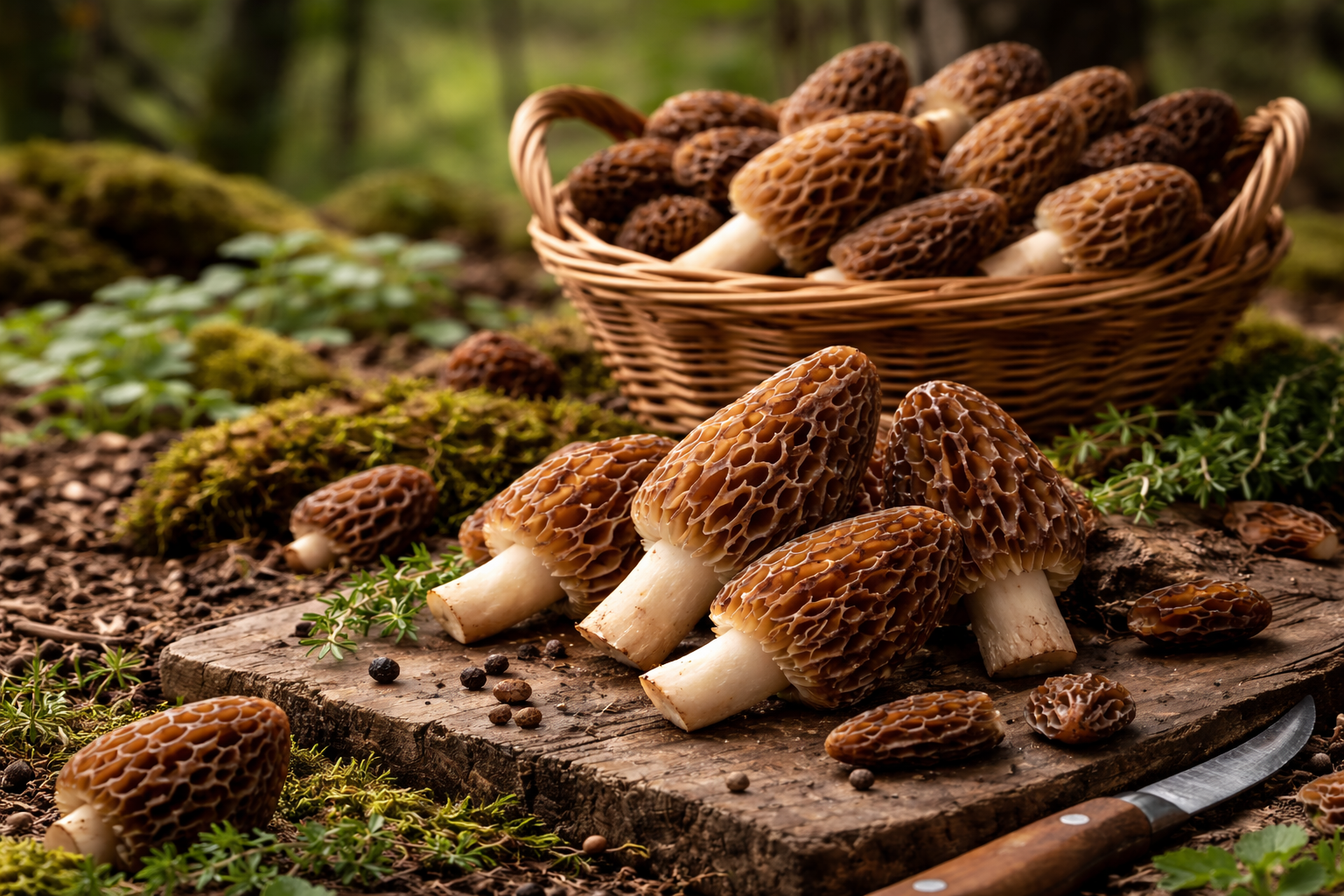
Calling all mushroom growers and flavor innovators: The prized morel—one of the world’s most sought-after delicacies—is now in explosive global demand. And you can be part of it. A veteran applied microbiologist and entrepreneur has perfected the cultivation technology. Now available to help you grow and harness the power of the morel. Don’t just chase the trend—lead it.
Contact us via support@flavorist.com
🍄 Morel Mushroom: A Complete Guide to One of the World’s Most Prized Delicacies
🌿 What Is a Morel Mushroom?
The morel mushroom (genus Morchella) is a wild, edible fungus highly valued in fine dining for its complex earthy flavor, meaty texture, and rarity. Unlike common cultivated mushrooms, morels are primarily foraged in the wild, which contributes to their premium status and cost.
They are easily recognized by their:
- Honeycomb-like cap structure
- Hollow interior (cap and stem are one continuous cavity)
- Conical or oval shape
🍽️ Flavor Profile & Culinary Appeal
Morels are considered a gourmet delicacy due to their unique sensory characteristics:
Flavor notes:
- Deep earthy and woody tones
- Nutty and roasted nuances
- Slightly smoky, sometimes reminiscent of browned butter or umami-rich meat
Texture:
- Firm yet tender when cooked
- Slight chewiness (often compared to meat, making them popular in vegetarian cuisine)
Aroma chemistry (for flavorists):
- Rich in C8 compounds (e.g., 1-octen-3-ol → “mushroom note”)
- Pyrazines and sulfur-containing compounds → roasted, savory depth
- Trace aldehydes and alcohols → green and fresh nuances
🌍 Where They Grow & Seasonality
Morels grow in temperate regions across:
- North America
- Europe
- Parts of Asia
Key growth conditions:
- Spring season (typically March–May depending on region)
- Moist soil after rainfall
- Often near:
- Elm, ash, apple, or poplar trees
- Recently burned forests (“burn morels” can appear in abundance)
Important note:
They could not reliably cultivated at large scale in the past, which limits supply and drives up price. But now, the technology is mature and available.
⚠️ Safety & Identification
Morels are safe only when properly identified and cooked.
Key safety points:
- Must be fully cooked → raw morels contain small amounts of toxins (thermolabile hydrazines)
- Can be confused with false morels (genus Gyromitra), which are toxic
True morel vs false morel:
- True morel: hollow inside, uniform honeycomb cap
- False morel: irregular, brain-like folds; interior may be solid or chambered
🍳 Culinary Uses
Morels are extremely versatile in high-end cooking:
Classic preparations:
- Sautéed in butter with garlic and herbs
- Cream sauces (pair exceptionally with poultry, veal, or pasta)
- Risottos and sauces
- Stuffed and baked
Pairing principles (flavor science perspective):
- Fat (butter, cream) enhances volatile retention
- Mild proteins (chicken, eggs) allow morel aroma to dominate
- Wine pairings: Chardonnay, Pinot Noir
Dried morels:
- Even more concentrated in flavor
- Rehydration liquid is used as a flavor stock
💰 Market Value & Trade
Morels are among the most expensive edible mushrooms:
- Fresh morels: often $30–$100+ per pound (can be higher depending on supply)
- Dried morels: significantly more expensive per weight due to concentration
Reasons for high value:
- Wild-harvested (labor-intensive)
- Short growing season
- High culinary demand
Major exporters include:
- China (large-scale dried morel production)
- USA and Europe (wild harvest markets)
🧪 Relevance to the Flavor Industry
For flavorists, morels are important as a benchmark for natural umami and kokumi complexity:
Applications:
- Savory flavor bases (soups, sauces, bouillons)
- Meat analog flavor development
- Gourmet snack seasonings
Key learnings:
- Balance of earthy + roasted + umami notes
- Interaction of lipid systems with mushroom volatiles
- Use of extraction (CO₂ extracts, infusions, reaction flavors)
⚖️ Advantages & Limitations
Advantages:
- Unique, premium sensory profile
- Strong consumer perception of luxury
- High impact even at low usage levels (especially dried/extracts)
Limitations:
- Supply inconsistency
- High cost
- Variability in flavor (depends on origin and season)
- Regulatory considerations for wild-harvest materials
🧾 Summary
The morel mushroom is a rare, seasonal, and highly prized delicacy defined by its:
- Distinctive honeycomb structure
- Deep earthy, nutty, umami-rich flavor
- Strong culinary and flavor industry relevance
Its limited availability and complex sensory profile make it both a luxury ingredient in gastronomy and a valuable reference point in savory flavor creation.
###