How Smart Warehouse Camera Systems Are Strengthening Food and Ingredient Security in 2026
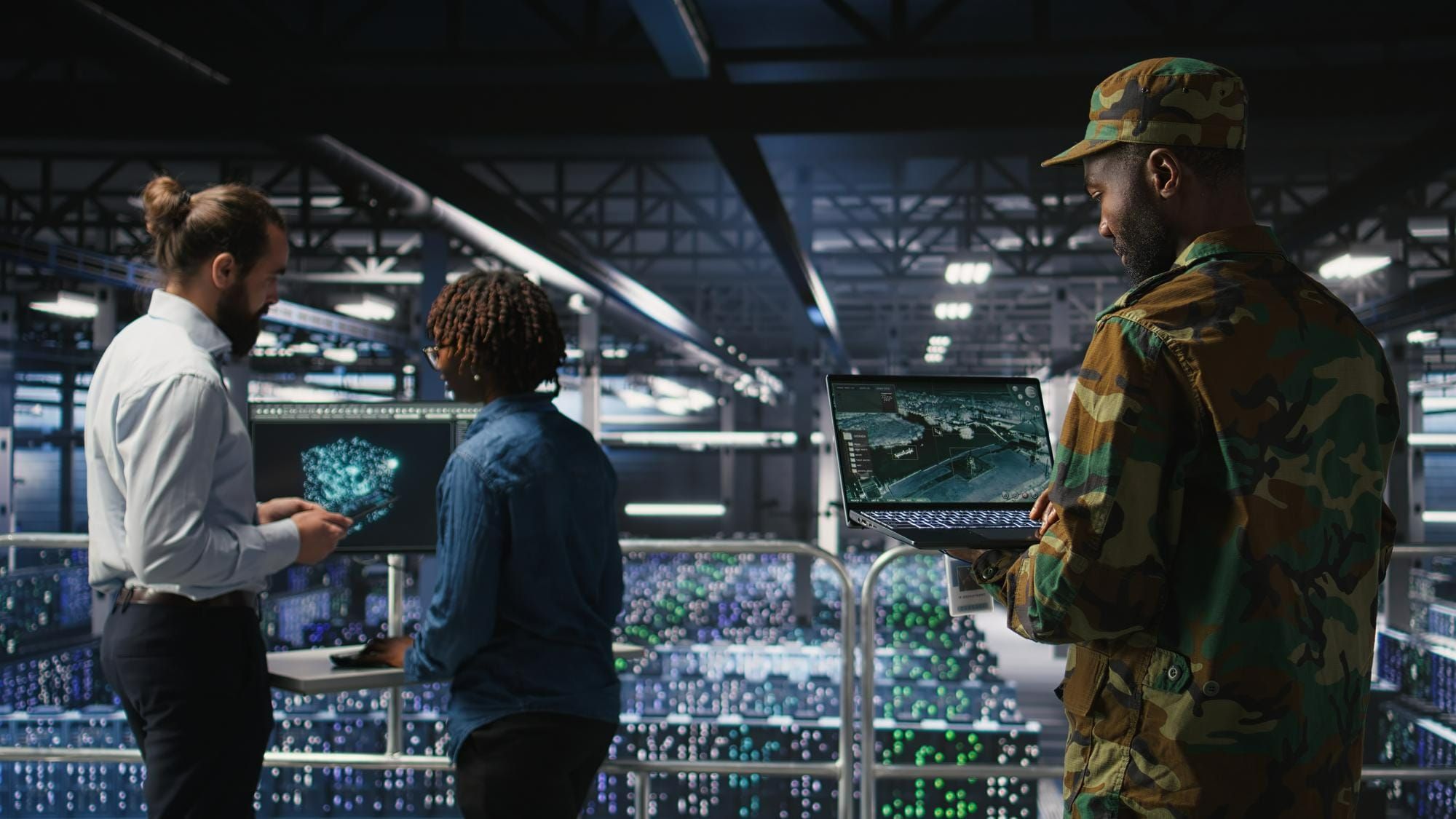
Food warehouses have become a more important security point in the supply chain as facilities handle larger volumes of packaged foods, refrigerated products, ingredients, additives, and high-value commodities. Security is no longer limited to preventing someone from entering a building after hours. Operators increasingly need visibility into loading docks, storage zones, employee movement, incoming vehicles, restricted areas, and the handling of sensitive inventory.
That challenge became particularly clear in 2025. CargoNet recorded 708 thefts involving food and beverage products across the United States and Canada, a 47 percent increase from 2024. Across all commodities, estimated cargo theft losses reached nearly $725 million, up 60 percent, while the average value of a theft increased 36 percent to $273,990.
Traditional cameras that simply record footage can help investigate an incident, but warehouses increasingly need to identify unusual activity while goods are still on-site. Food facilities also have concerns that go beyond theft, including tampering, unauthorized access, broken seals, temperature-sensitive inventory, and gaps in chain-of-custody documentation.
This is changing the role of warehouse surveillance. In 2026, smarter camera systems are becoming part of a wider food-security strategy that connects physical monitoring with access procedures, inventory controls, traceability records, and incident response.
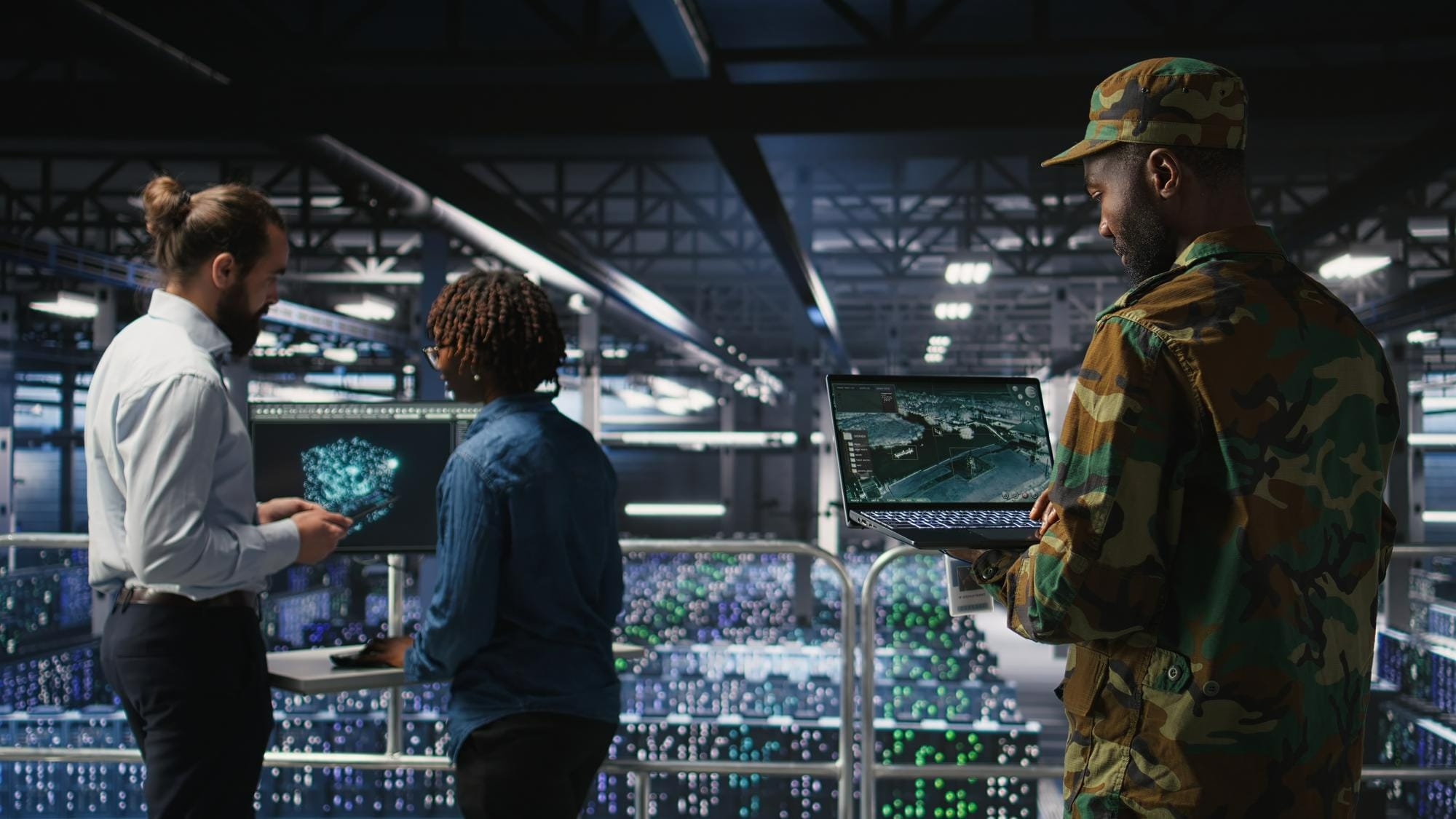
Warehouse Surveillance Is Moving From Evidence to Active Oversight
Older warehouse CCTV systems were mainly designed to answer questions after an event. If several cases of meat disappeared from a loading area or a pallet was damaged overnight, managers could manually search recorded footage and try to reconstruct what happened.
Smart surveillance changes that workflow by making video easier to search and monitor. Cameras positioned around receiving areas, loading docks, ingredient storage rooms, cold-storage entrances, employee corridors, and exterior yards can provide a visual record of how people and products move through a facility.
This is particularly valuable in food operations because security problems often occur during transitions. A truck arrives, a seal is checked, goods are unloaded, a pallet is moved into storage, ingredients are transferred, or products are staged before dispatch. Each transition creates an opportunity for theft, mishandling, unauthorized access, or confusion about responsibility.
The goal is not to have employees continuously watching dozens of screens. A more practical approach is to use surveillance as an operational verification layer. When an inventory discrepancy, damaged shipment, suspicious entry, or other exception occurs, staff can investigate the relevant time and location rather than reviewing hours of unrelated footage.
Protecting Food Requires Visibility Into More Than the Building Perimeter
Food and ingredient security starts outside the storage racks. Loading docks, trailer yards, vehicle entrances, receiving bays, waste areas, employee entrances, and temporary staging zones can all create vulnerabilities.
The FDA's food-defense framework reflects this wider approach. Its Intentional Adulteration Rule requires covered facilities to assess vulnerabilities and establish appropriate mitigation measures at actionable process steps. FDA says the rule covers about 3,400 firms operating approximately 9,800 food facilities. Its voluntary mitigation database also lists surveillance cameras among possible measures that facilities may consider when addressing vulnerabilities.
Video can be particularly useful around receiving and dispatch. A facility investigating a questionable shipment could review when the vehicle entered, whether a trailer door or seal appeared unusual, who was present during unloading, where the pallet was taken, and whether anyone entered the storage area afterward.
This does not replace seal checks, employee procedures, inventory reconciliation, or access controls. Instead, visual evidence can help those systems work together. That becomes increasingly important for ingredients that may pass through several handling stages before becoming part of a finished food product.
Connecting Camera Systems With Modern Warehouse Security
The strongest warehouse-security programs increasingly rely on several controls working together. Video surveillance can provide visual context, while access systems identify authorized users, inventory platforms track goods, temperature sensors monitor environmental conditions, and shipping records document movement between facilities.
A modern warehouse camera system can add another layer of visibility to that environment. Coram, for example, describes a hybrid-cloud approach on its warehouse security page that can work with existing IP cameras, provide centralized remote access, support license plate recognition, offer role-based access to cameras, and make recorded footage easier to download, share, or archive. The same page notes that warehouses may need 60 to 90 days of continuous video when incidents or claims are discovered well after an event.
For food warehouses, the larger value comes from connecting video events with operational questions. Managers may need to determine which vehicle entered at a particular time, who accessed an ingredient room, when a shipment reached a loading bay, or what happened between inventory scans.
No single platform can secure a food facility by itself. Stronger protection comes from combining video, access procedures, inventory controls, employee accountability, physical barriers, traceability data, and clearly defined response processes.
Cameras Can Help Protect the Cold Chain and High-Value Ingredients
Food warehouses also face risks that ordinary property-security systems were never designed to address. Refrigerated and frozen inventory can lose value rapidly if storage conditions are disrupted, while specialty ingredients can be expensive, difficult to replace, or essential to production schedules.
The FDA recommends keeping refrigerated foods at 40°F, or 4°C, or below and freezer temperatures at 0°F, or minus 18°C. Temperature sensors remain the appropriate technology for determining whether those thresholds are maintained. Cameras, however, can provide context when a sensor identifies an exception.
For example, suppose a refrigerated loading door remains open significantly longer than expected. A temperature monitoring system may show the environmental change, while video can help determine whether the delay resulted from unloading activity, equipment problems, congestion, or an unauthorized action. That combination can make incident reviews more useful than either data source alone.
The same principle applies to valuable ingredients such as meat, dairy products, oils, flavorings, spices, seafood, or specialized food additives. Cameras covering receiving, storage, picking, and dispatch areas can help operators reconstruct exactly when and where inventory moved if quantities do not match warehouse records.
Video can also help distinguish between a security incident and an ordinary operational mistake, reducing unnecessary assumptions when investigating missing or damaged goods.
Rising Food Theft Is Making Faster Investigation More Important
Food has become an increasingly attractive target for cargo theft because many products can be resold quickly through legitimate-looking distribution channels. The trend is not limited to luxury products.
CargoNet's first-quarter 2025 analysis found that meat-related theft activity increased 242 percent compared with the same period a year earlier. Non-alcoholic beverage theft rose 94 percent, while direct theft incidents across commodities increased 29 percent.
These incidents highlight why warehouse security needs to extend from the gate to the loading dock. A stolen trailer may attract attention immediately, but smaller losses can develop through repeated unauthorized removals, falsified pickups, suspicious vehicle activity, or goods disappearing during transfers.
Searchable video can shorten the time needed to investigate these events. Instead of manually reviewing an entire shift, a security or operations team can focus on the location, vehicle, person, or period connected with the discrepancy.
That faster review also supports coordination between departments. Security teams may identify what happened, warehouse managers can determine which inventory was affected, and supply-chain teams can decide whether shipments, customers, or downstream facilities require attention.
The real advantage is therefore not simply recording more footage. It is reducing the gap between noticing that something went wrong and understanding what actually happened.
Food Security Also Depends on Responsible Implementation
More cameras do not automatically create a more secure warehouse. Poor camera placement, inadequate retention, weak account security, unclear employee policies, blind spots, and lack of incident procedures can all reduce the value of a surveillance investment.
Food facilities should first identify where their most significant risks exist. Depending on the operation, those areas may include receiving docks, bulk ingredient handling points, cold-storage entrances, high-value storage rooms, exterior yards, employee access points, or dispatch zones.
Privacy and access to footage also need consideration. Not every employee needs unrestricted access to every camera. Organizations should establish clear permissions, retention rules, investigation procedures, and responsibilities for exporting or sharing video.
FDA's food-defense guidance similarly focuses on identifying facility-specific vulnerabilities rather than prescribing one security measure for every site. Covered facilities must address monitoring, corrective actions, verification, training, and recordkeeping as part of their food-defense programs.
This makes surveillance most effective when it supports an established security process. Employees still need training, physical access must remain controlled, alarms need response procedures, and inventory discrepancies require investigation. Technology is strongest when people know exactly how to act on the information it provides.
Traceability Will Make Connected Security More Valuable
Food warehouses are also operating in an environment where traceability is becoming more detailed. The FDA Food Traceability Rule establishes additional recordkeeping requirements for certain foods and is intended to make it easier to identify and remove potentially contaminated products from the supply chain.
The original compliance date was January 20, 2026. Congress subsequently directed the FDA not to enforce the rule before July 20, 2028, giving affected businesses additional implementation time. The FDA has continued working with regulated entities, including warehouses distributing food to restaurants and retail establishments, on lot-level tracking requirements.
This period gives warehouse operators an opportunity to think beyond individual security technologies. Lot codes, shipment records, access events, inventory scans, vehicle data, environmental monitoring, and video footage can provide different pieces of the same operational story.
Video should not be treated as a substitute for required traceability records. Its value is contextual. When an organization investigates an unusual movement or handling event, recorded footage can help explain what occurred around the physical product.
As supply chains become increasingly data-driven, the most useful security systems will be those that help organizations connect physical events with their digital records quickly and accurately.
FAQs
How can cameras improve security in a food warehouse?
Cameras provide visual oversight of loading areas, storage zones, entrances, ingredient rooms, exterior yards, and other sensitive locations. They can help investigate theft, unauthorized access, questionable handling, damaged shipments, and inventory discrepancies.
Can a camera system detect whether food has been stored at the wrong temperature?
A camera is not a substitute for temperature sensors or environmental monitoring equipment. However, video can provide useful context around a temperature excursion, such as showing whether a cold-storage door remained open or whether loading activity delayed closing a refrigerated area.
Why are loading docks particularly important for food security?
Loading docks are transition points where products, drivers, employees, vehicles, paperwork, and equipment come together. Monitoring these areas can help warehouses verify deliveries, investigate missing goods, review vehicle activity, and understand what occurred during receiving or dispatch.
Can existing warehouse cameras be used as part of a smarter security setup?
In many cases, organizations do not necessarily have to replace every existing camera. Compatibility depends on the surveillance platform, camera type, network infrastructure, storage requirements, and features the warehouse needs.
Will smarter video surveillance replace food traceability systems?
No. Traceability systems document information about products and their movement through the supply chain, while video provides visual context around physical events. The two can complement each other during investigations, but they serve different purposes.
Conclusion
Food and ingredient security in 2026 is becoming a combination of physical protection, operational visibility, traceability, environmental monitoring, and faster investigation. As food and beverage theft rises and supply chains become more interconnected, warehouses need to understand not only what inventory they hold, but also how people, vehicles, and products move through their facilities.
The next stage of warehouse security will depend less on simply installing more cameras and more on using security information intelligently. Facilities that connect surveillance with well-designed procedures, access controls, inventory records, employee training, and food-defense practices will be better prepared to identify vulnerabilities and respond when something goes wrong.