Nestlé Eliminates Artificial Food Colors Across U.S. Portfolio as Industry Shift Gains Momentum
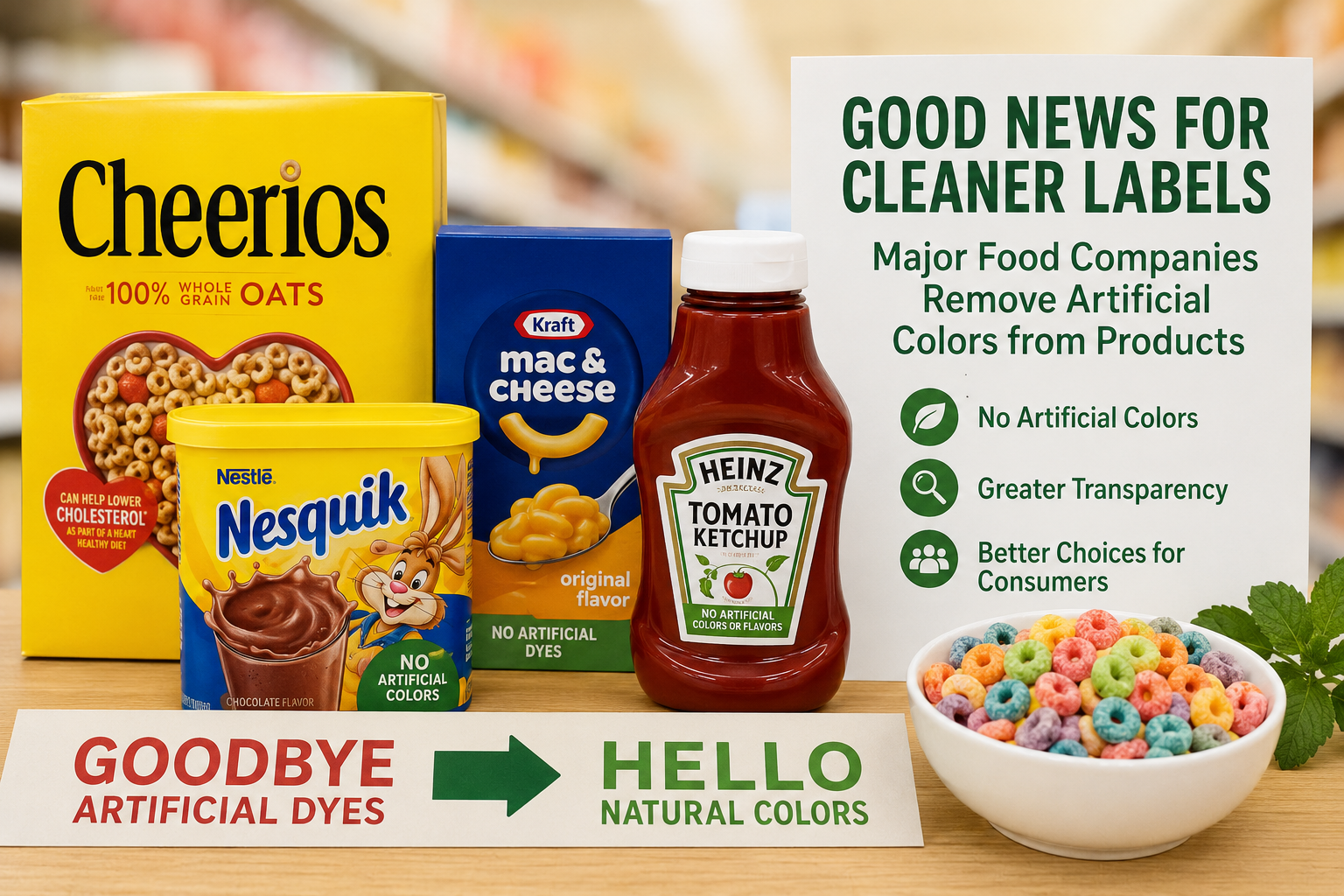
Nestlé USA has completed the removal of certified artificial colors from its entire food and beverage portfolio in the United States, marking a significant milestone in the food industry's ongoing transition toward cleaner ingredient labels and greater transparency.
The company announced that all of its U.S. food and beverage products are now free of certified synthetic dyes, fulfilling a commitment it made in 2025. The move places Nestlé among a growing list of major food manufacturers that are reformulating products in response to changing consumer preferences, evolving health discussions, and increasing regulatory attention on artificial food additives.
A Multi-Year Effort to Reformulate Products
According to Nestlé USA, the transition was not an overnight process. The company had already removed synthetic dyes from more than 90% of its U.S. portfolio before announcing its formal commitment to eliminate the remaining artificial colors. Over the past year, teams across multiple business units worked to reformulate products while maintaining the taste, texture, appearance, and overall experience consumers expect.
One notable example involved the company's Nesquik brand, where strawberry-flavored products were reformulated using colors derived from natural sources. Nestlé also updated numerous beverage products sold through its foodservice division, replacing synthetic dyes with naturally sourced alternatives without significantly altering product quality. Reformulated products have already begun reaching store shelves across the country.
Why Food Companies Are Removing Artificial Dyes
Nestlé's announcement reflects a broader trend across the food and beverage sector. In recent years, consumers have become increasingly interested in ingredient transparency and products perceived as more natural. Many shoppers now read ingredient labels more carefully and seek foods with fewer artificial additives.
At the same time, federal regulators and policymakers have intensified discussions around synthetic food dyes. The U.S. Food and Drug Administration (FDA) has been tracking voluntary industry commitments to phase out certain petroleum-based color additives, while several states have adopted or proposed regulations targeting specific food ingredients.
Health advocates have raised concerns about the potential effects of some artificial colors, particularly in products marketed to children. Although regulatory agencies continue to evaluate scientific evidence regarding food dyes, growing public scrutiny has encouraged manufacturers to accelerate reformulation efforts.
Major Food Brands Following a Similar Path
Nestlé is not alone in its efforts. Several leading food companies have announced plans to remove synthetic dyes from their products over the next few years.
General Mills, maker of Cheerios and numerous other cereal brands, has pledged to eliminate certified colors from all U.S. cereals and school food offerings while gradually removing them from its broader retail portfolio. The company notes that many of its flagship brands are already produced without artificial colors.
Kraft Heinz has also committed to phasing out artificial colors across its U.S. product lineup by the end of 2027. Many of its best-known products already use natural coloring systems or contain no added colors, but the company is continuing to reformulate remaining products that still rely on synthetic dyes.
Other major food manufacturers, including Conagra Brands, have announced similar initiatives, signaling what may become a long-term transformation across the packaged food industry.
The Challenges of Reformulation
While removing artificial dyes may sound straightforward, the process can be technically complex and expensive.
Synthetic colors are often valued because they provide vibrant, consistent shades, remain stable during manufacturing, and help products maintain their appearance throughout shelf life. Natural alternatives derived from fruits, vegetables, spices, and other plant sources can be more sensitive to heat, light, and storage conditions.
Food companies must therefore conduct extensive testing to ensure that reformulated products continue to meet consumer expectations. Manufacturers also need to secure reliable supplies of natural color ingredients, which can become more difficult as demand increases across the industry.
These challenges help explain why many companies have established multi-year timelines for eliminating artificial colors rather than making immediate changes.
Part of a Larger Clean-Label Strategy
Nestlé says the dye removal initiative is only one component of a broader effort to modernize its product portfolio. Over the past decade, the company has worked to simplify ingredient lists, improve transparency, reduce sugar in selected products, and expand offerings that align with changing consumer preferences.
The company has also introduced products targeting emerging health and wellness trends, including specialized nutrition solutions and foods designed for consumers using weight-management medications. These developments reflect a larger industry movement toward products that emphasize both convenience and perceived nutritional value.
What This Means for Consumers
For shoppers, the transition away from artificial dyes may result in subtle differences in the appearance of some foods and beverages. Colors derived from natural sources can sometimes look less vibrant than synthetic alternatives. However, manufacturers generally aim to preserve the overall eating experience while meeting consumer demand for simpler ingredient lists.
As more major food companies adopt similar policies, products made without artificial colors are likely to become increasingly common across grocery store shelves. Nestlé's achievement demonstrates how quickly large manufacturers can adapt when consumer expectations, market trends, and regulatory priorities begin moving in the same direction.
With industry leaders such as Nestlé, General Mills, Kraft Heinz, and others advancing dye-removal initiatives, the packaged food sector appears to be entering a new era focused on cleaner labels, ingredient transparency, and reformulated products designed to meet evolving consumer preferences.
###