Flavorings Almond: What Every Flavorist Needs to Know, According to the SFC Certified flavorists are required by the Society of Flavor Chemists to be able to identify the part(s) of the plant used, derivatives, organoleptic characteristics, and the major chemical component(s) which characterizes the aroma/flavor of the 80 natural flavorings listed on its Syllabus for the SFC qualification test/
Formulation Important Synthetic Flavor Compounds - Part 3 (Isovaleric acid, Caproic acid, Caprylic acid, Capric acid, Lauric acid, 2-Methyl-2-pentenoic acid, cis-3-Hexenoic acid, Ethyl acetate, Ethyl butyrate, Ethyl 2 methyl butyrate) 3-methyl butyric acid or isovaleric acid, caproic acid, caprylic acid, capric acid, lauric acid, 2-methyl-2-pentenoic acid, cis-3-hexenoic acid, ethyl acetate, ethyl butyrate, ethyl 2 methyl butyrate
Formulation How to Make a Salsa Sauce Flavor? Salsa Flavor Formulas Provided How to make a salsa sauce flavor Creating a salsa sauce flavor—whether for a savory snack, beverage, or seasoning—requires capturing the key notes of fresh salsa: tomato, onion, garlic, chili heat, acidity, and herbaceous freshness. Here’s a structured approach to designing it: 1. Identify the Key Flavor
Patent Summary of European Patent EP3253232B1: Antimicrobial Compositions Summary of European Patent EP3253232B1: Antimicrobial Compositions This patent, granted on August 12, 2020, and assigned to Naturex S.A., protects a specific antimicrobial composition designed to extend the shelf life of food products, particularly meat, fish, and poultry. The invention addresses two critical aspects of food spoilage: microbial growth
Major News for This Week (by March 6, 2026) in the Food, Flavor, and Ingredient Industry Protein Condiments Market Growth Protein-based condiments are expanding rapidly, offering new umami flavor and functional properties for sauces, snacks, and seasonings. Food & Hospitality Vietnam 2026 Expo Italian flavors and ingredients will be showcased at this year's Vietnam exhibition, highlighting international trends in flavor and culinary innovation.
Formulation Important Synthetic Flavor Compounds - Part 2 (trans-2-Nonenal, trans-2,cis-6-Nonadienal, trans-2, trans-4-Decadienal, 2-Heptanone, 2-Octen-4-one, Diacetyl, Acetyl methyl carbinol, Acetic acid, Butyric acid, 2-Methyl butyric acid) trans-2-nonenal trans-2,cis-6-nonadienal trans-2, trans-4-decadienal 2-heptanone 2-octen-4-one diacetyl acetyl methyl carbinol acetic acid butyric acid 2-methyl butyric acid
Formulation Important Synthetic Flavor Compounds - Part 1 (Isoamyl Alcohol, cis-3-Hexenol, 1-Octen-3-ol, cis-6-Nonen-1-ol, Acetaldehyde, Isovaleraldehyde, Hexanal, Octanal, Decanal, Trans-2-hexenal) isoamyl alcohol, cis-3-hexenol, 1-octen-3-ol, cis-6-nonen-1-ol, acetaldehyde, isovaleraldehyde, hexanal, octanal, decanal, trans-2-hexenal.
Formulation Essential Synthetic Flavor Compounds Every Flavorist Must Know This list features 128 key flavor compounds that John Wright, in his book Flavor Creation, recommends every flavorist should know and work with.
Members only Flavorings Allspice: What Every Flavorist Needs to Know, According to the SFC Certified flavorists are required by the Society of Flavor Chemists to be able to identify the part(s) of the plant used, derivatives, organoleptic characteristics, and the major chemical component(s) which characterizes the aroma/flavor of the 80 natural flavorings listed on its Syllabus for the SFC qualification test/
Formulation List of Natural Flavors, Flavor Descriptors, Flavor Compounds, Applications, and Suggested Usage Levels Here is a List of More Than 100 Flavor Descriptors, Flavor Compounds, Applications, and Suggested Usage Levels. Ylang — para-cresyl methyl ether — Applications: Floral, Ylang-Ylang, exotic blends — Usage: 0.1–1 ppm Jasmine — methyl jasmonate — Applications: Jasmine, floral, tea — Usage: 1–10 ppm Heliotrope — heliotropine — Applications: Heliotrope, floral, cherry,
How to Become a Self-Taught Flavorist? Summary: This scenario involves an R&D chemist, scientist, technologist, or technician who has a genuine interest in creating and using flavors—whether for food, tobacco, personal care, or healthcare applications—but does not have access to a full-time flavorist for guidance or mentorship. Like any other professional
Paid-members only Formulation Featured "Using an Equation to Make Flavors" - a Formulation Method Taught by Frank Fischetti, jr Using an Equation to Make Flavors," one of three formulation methods published by master flavorist Frank Fischetti Jr.
Members only Ingredients Unlocking the Potential of 9-Decenal: A Versatile Flavor Enhancer with 18 Demo Flavor Formulas Unlocking the Potential of 9-Decenal: A Versatile Flavor Enhancer 9-Decenal (FEMA 3912, CAS 39770-05-3) is an aromatic aldehyde that deserves a prominent place in every flavorist's toolkit. While it shares a structural similarity with aldehydes like trans-2-decenal, its sensory profile is uniquely
Formulation Common flavor notes, flavor compounds, herbs, spices used to make beef flavors Designing a beef flavor system usually involves building multiple aroma layers: reaction-derived savory notes (meaty, roasted, sulfury), lipid-derived notes (buttery, fried), and finishing modifiers (creamy, cheesy, sweet/candy). Below is a structured technical guide used in flavor creation practice. 1. Key Flavor Compounds by Aroma Note Thresholds are
Job Opening: Junior flavorist wanted to work in Cernusco sul Naviglio / Milan, Italy Job Title: Junior Flavorist Location: Cernusco sul Naviglio / Milan, Italy Job Type: Full-Time About the Opportunity A global leader in the colors, flavors, and extracts industry is seeking a passionate and driven Junior Flavorist to join its dynamic R&D team in Italy. This is an excellent opportunity
Reference Unlocking the Secrets of Taste: A Comprehensive Book Review of "Successful Flavors" Edited by Gerard Mosciano Editor's note: Highly recommended. In the specialized world of food science, few resources achieve the legendary status of a "cult classic." For years, Gerard Mosciano's Successful Flavors: From Formulation to QC to Applications and Beyond was exactly that—a highly sought-after, out-of-
Formulation The Chemical Signatures of Taste: Characterizing Flavor Compounds in 50 Foods/Flavors Characterizing flavor compounds are the chemical fingerprints of our food—the essential molecules that tell our senses exactly what we are eating. They are the reason a single whiff can distinguish a ripe strawberry from a crisp apple, or a sip of coffee from a bite of dark chocolate. These
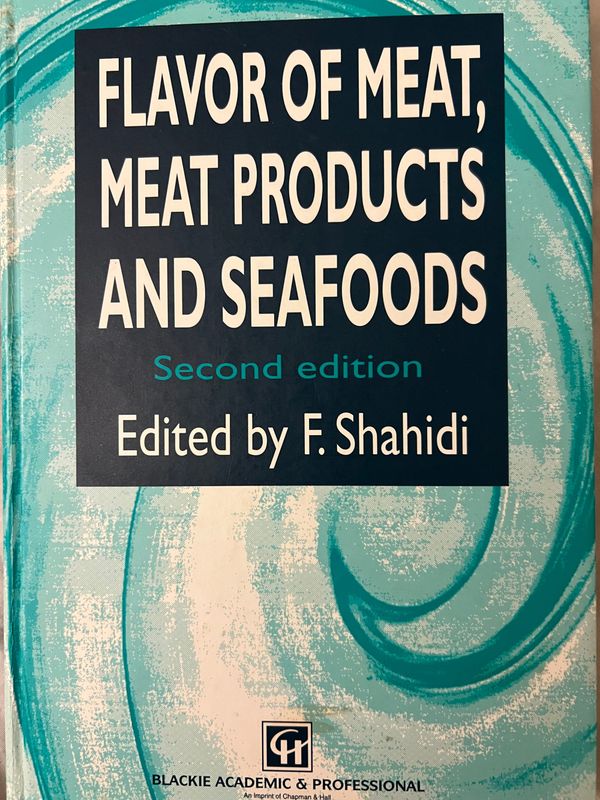
Reference Book Review: "Flavor of Meat, Meat Products, and Seafoods" Second Edition by F. Shahidi Editor's note: highly recommended. In the complex and multifaceted world of food science, few elements are as critical to consumer acceptance as flavor. For professionals in the meat and seafood industries, understanding the intricate chemistry behind flavor is not just an academic exercise—it is a commercial necessity.
Patent Patent Watch: Plant-Based Grilled Beef Flavoring Patent Document: Plant-Based Grilled Beef Flavoring Patent Number: CN 111938122 B Title: A Plant-Based Beef Flavoring and Its Preparation Method and Application Publication Date: 2023.01.10 Applicant: Shenzhen Week零食 Technology Co., Ltd. Inventors: Xie Jianchun, Li Jian, Du Wenbin, Tan Jia, Wang Yutong Examiner: Wang Yan Abstract:
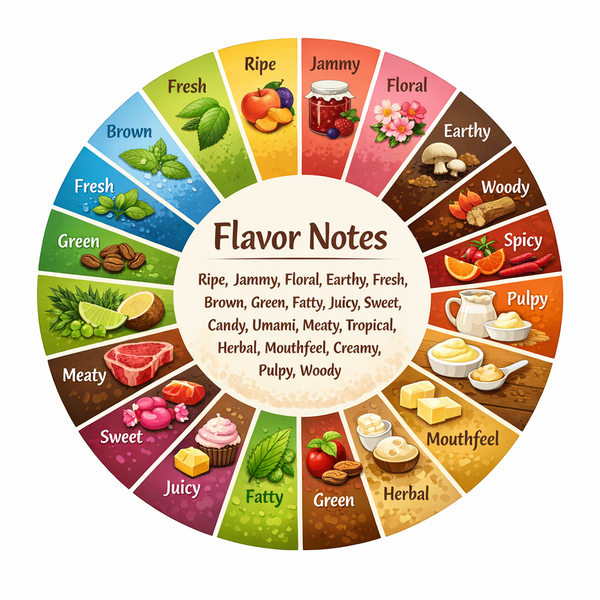
Members only Formulation 20 Characteristic Flavor Notes the Society of Flavor Chemists Want Flavorists to Understand Below are 20 characteristic flavor notes that the Society of Flavor Chemists want every flavorist or would-be flavorist to understand. It is likely that questions regarding these notes will be raised during the qualification test/interview. Read the syllabus -the Society of Flavor Chemists. The 20 key flavor notes
Members only Formulation Flavor Compounds and Techniques for Crafting Distinct Coffee Flavors Main Aroma Components of Coffee The main components frequently detected in coffee include furfural, 5-methylfurfural, furfuryl alcohol, phenethyl alcohol, furfuryl acetate, hexanal, benzaldehyde, 3,4-dimethylbenzaldehyde, 3,4-dimethylphenylacetaldehyde, 1-phenyl-2-propanone, 3-methyl-2-butanone, 2,3-butanedione, 2-butanone, 4-methyl-2-pentanone, 2-phenyl-3-
Members only Formulation How flavorists formulate a food flavor — from concept to finished product The process of formulating a flavor is influenced by several variables: the specific flavor profile required, the customer's needs, the potential revenue, the company's resources, and the individual flavorist's creative approach. Here is an explanation of how flavorists can formulate a food flavor — from
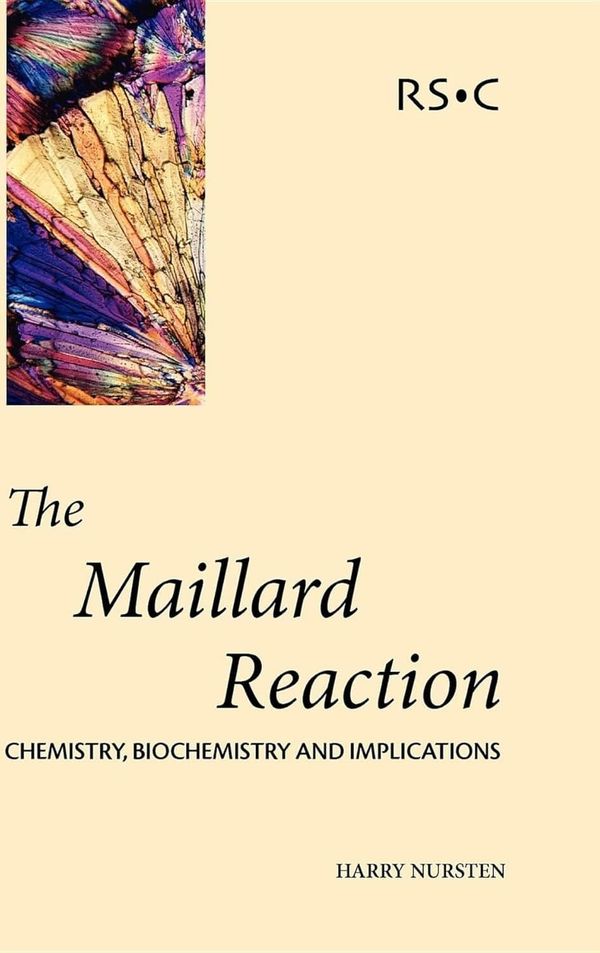
Reference Book Review: The Maillard Reaction: Chemistry, Biochemistry and Implications Book Review The Maillard Reaction: Chemistry, Biochemistry and Implications by H. E. Nursten Introduction The Maillard Reaction: Chemistry, Biochemistry and Implications is a rigorous and comprehensive monograph that examines one of the most significant chemical reactions in food science: the non-enzymatic reaction between reducing sugars and amino compounds that
Patent Patent Document: Method for Producing a Flavor Composition (for Beef, Pork, and Chicken) Here is the English translation of the Japanese patent document (JP5495366B2). Page 1 (19) Japan Patent Office (JP) (12) Patent Publication (B2) (11) Patent Number Patent No. 5495366 (45) Date of Issuance: May 21, 2014 (2014.5.21) (24) Date of Registration: March 14, 2014 (2014.3.14) (51) Int.
Formulation Overview of Kokumi Compounds from the Maillard Reaction Overview of Kokumi Compounds from the Maillard Reaction 1. What Is “Kokumi”? “Kokumi” is a Japanese sensory term meaning richness, mouthfulness, continuity, and thickness—without adding a distinct basic taste (sweet, sour, salty, bitter, umami). The concept was scientifically advanced by researchers at Ajinomoto Co., Inc., who demonstrated that certain