Sriracha Is Trending Again: Why the Iconic Hot Sauce Is Back in the Spotlight
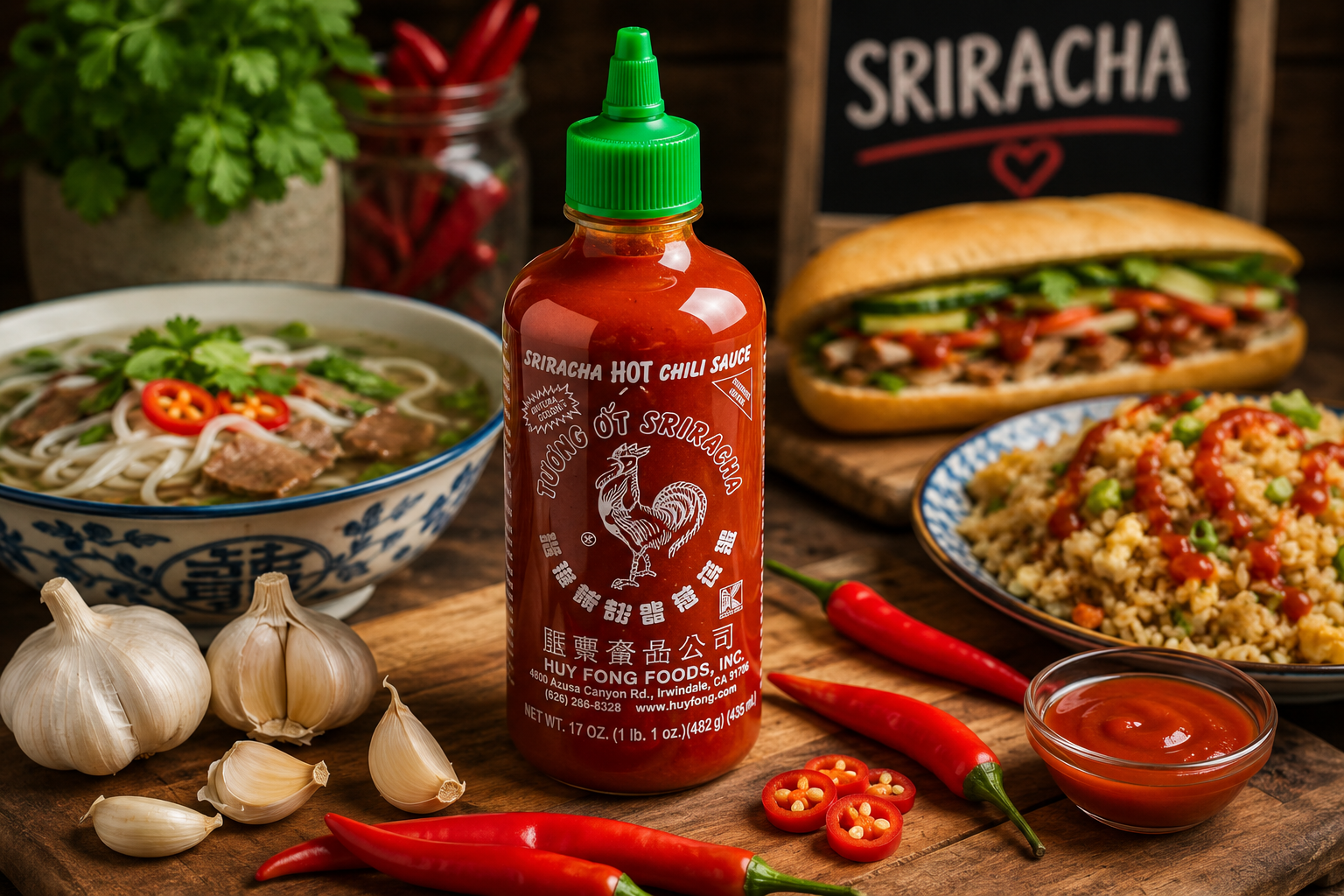
Sriracha (siracha) has once again become one of the most searched food-related topics, as consumers look for the latest news surrounding the famous chili sauce. While there is no single breaking announcement behind the recent surge in searches, growing conversations about flavor, availability, competing brands, and the evolution of the hot sauce continue to fuel public interest.
Originally popularized in the United States by Huy Fong Foods, Sriracha has evolved from a niche Asian condiment into a global pantry staple. Its signature combination of chili peppers, garlic, vinegar, sugar, and salt creates a balanced flavor profile that complements everything from noodles and fried rice to pizza, burgers, eggs, tacos, seafood, and sandwiches.
Why Is Sriracha Trending Today?
The recent increase in searches appears to be driven by several factors rather than one major news event.
Consumers continue discussing whether today's Sriracha tastes different than bottles produced before the well-publicized chili pepper shortages. Others are searching for alternative brands after discovering new favorites during periods when the original sauce was difficult to find. Social media creators are also sharing recipes, taste tests, and comparisons, introducing Sriracha to a younger audience.
The result is a renewed wave of curiosity surrounding one of the world's most recognizable hot sauces.
The Story Behind the Sriracha Shortage
One of the biggest reasons Sriracha remains in the spotlight is its recent production history.
Beginning in 2022, unfavorable weather conditions affected red jalapeño pepper harvests, reducing supplies and limiting production. Grocery store shelves quickly emptied, restaurants struggled to source bottles, and resale prices increased dramatically online.
Although production has largely recovered, the shortage permanently changed consumer behavior. Many shoppers began experimenting with competing brands, while others stocked up whenever bottles became available.
Even after supplies improved, discussions about the shortage continue to generate significant online interest.
Does Sriracha Taste Different?
Another popular topic among consumers is whether the flavor has changed.
Longtime fans frequently compare older bottles with newer production runs, discussing differences in sweetness, acidity, spice level, and color. While opinions vary, these ongoing debates have helped maintain Sriracha's popularity across online communities.
Whether the perceived differences come from pepper harvests, ingredient variations, or natural batch-to-batch changes, the conversation continues to drive search traffic.
Alternative Sriracha Brands Gain Momentum
The shortage also opened the door for competing manufacturers.
Consumers who couldn't find traditional Sriracha began trying alternatives from regional producers and specialty hot sauce companies. Some discovered products they now prefer, creating a more competitive marketplace than existed before the shortage.
Instead of relying on one iconic bottle, today's consumers have more choices than ever before, encouraging additional comparisons and product reviews.
Why Consumers Love Sriracha
Unlike many hot sauces that focus solely on heat, Sriracha delivers a balanced combination of spice, garlic, sweetness, and acidity.
Its versatility allows it to pair well with countless dishes, including:
- Asian noodles
- Fried rice
- Pho
- Burgers
- Pizza
- Tacos
- Chicken wings
- Eggs
- French fries
- Seafood
- Sandwiches
- Marinades
- Dipping sauces
This flexibility has helped Sriracha become one of the most widely used condiments in home kitchens and restaurants alike.
Sriracha and Food Trends in 2026
The broader food industry continues moving toward bold, globally inspired flavors.
Consumers are increasingly interested in spicy condiments, fermented ingredients, and Asian-inspired cooking. Food manufacturers have responded by launching Sriracha-flavored snacks, frozen meals, chips, popcorn, mayonnaise, seasonings, and ready-to-eat products.
Social media platforms have accelerated this trend, with viral recipes encouraging home cooks to experiment with spicy sauces in creative ways.
Will Sriracha Continue to Grow?
Industry analysts expect demand for Sriracha and similar chili sauces to remain strong.
As global cuisines become more mainstream and consumers continue seeking versatile condiments, Sriracha remains well positioned for long-term growth. Manufacturers are also expanding into premium, organic, and specialty hot sauce categories, giving shoppers even more options.
Although future pepper harvests will continue influencing production, the brand's loyal following and worldwide recognition suggest that Sriracha will remain one of the most influential hot sauces for years to come.
Final Thoughts
Sriracha's latest surge in search interest demonstrates its lasting impact on the food industry. While there is no single breaking news story driving today's searches, ongoing conversations about flavor, supply, alternative brands, and evolving consumer tastes have kept the iconic chili sauce firmly in the spotlight.
Whether you're a longtime fan or trying it for the first time, Sriracha continues to define what consumers expect from a modern hot sauce: balanced heat, versatile flavor, and endless culinary possibilities.
Frequently Asked Questions
Why is Sriracha trending right now?
Searches are increasing because consumers are discussing its flavor, previous shortages, alternative brands, and new food trends featuring spicy condiments.
Did Sriracha change its recipe?
The manufacturer has not announced a major recipe change, but many consumers report subtle differences in flavor and color between production batches.
Is there still a Sriracha shortage?
The severe shortages seen in 2022–2024 have largely eased, although availability may still vary depending on retailer and region.
What makes Sriracha different from other hot sauces?
Sriracha combines chili peppers, garlic, vinegar, sugar, and salt to create a balanced flavor that is spicy, slightly sweet, tangy, and highly versatile.
What foods pair best with Sriracha?
Popular choices include noodles, rice dishes, pizza, burgers, tacos, chicken wings, eggs, sandwiches, seafood, soups, marinades, and dipping sauces.
Keywords
Primary Keyword:
- Sriracha
Secondary Keywords:
- Why is Sriracha trending
- Sriracha news
- Sriracha shortage
- Huy Fong Sriracha
- Sriracha flavor
- Best hot sauce
- Chili sauce
- Spicy food trends
- Sriracha alternative
- Garlic chili sauce
Commercial-Style Sriracha Formula (Food Manufacturing)
The following is a representative commercial formulation inspired by the characteristics of classic sriracha-style hot sauce. It is not the proprietary recipe of any manufacturer, but a practical formula suitable for pilot production.
Formula (100 kg Batch)
| Ingredient | % | Weight (kg) |
|---|---|---|
| Fresh red jalapeño peppers | 62.0 | 62.0 |
| Sugar | 14.0 | 14.0 |
| Garlic | 8.0 | 8.0 |
| Distilled vinegar (5% acidity) | 9.5 | 9.5 |
| Salt | 3.5 | 3.5 |
| Water | 2.0 | 2.0 |
| Xanthan gum | 0.25 | 0.25 |
| Potassium sorbate (optional) | 0.10 | 0.10 |
| Sodium benzoate (optional) | 0.10 | 0.10 |
| Natural paprika extract (optional, color adjustment) | 0.05 | 0.05 |
| Total | 100% | 100 kg |
Manufacturing Process
- Wash and sort fresh peppers.
- Grind peppers and garlic into a coarse mash.
- Add sugar and salt.
- Allow the mash to ferment naturally for 3–7 days at 20–25°C (68–77°F) (optional but recommended for deeper flavor).
- Add vinegar and water.
- Cook to 80–85°C (176–185°F) for 10–15 minutes.
- Blend until smooth.
- Add xanthan gum while mixing.
- Adjust pH to 3.4–3.8.
- Hot-fill at approximately 85°C (185°F) into sterilized bottles.
- Cool and label.
Target Specifications
- pH: 3.4–3.8
- Brix: 28–32°
- Viscosity: 6,000–10,000 cP
- Shelf life: 12–18 months (unopened)
Homemade Sriracha Recipe
Makes about 2 cups
Ingredients
- 1 lb (450 g) fresh red jalapeños (stems removed)
- 8 cloves garlic
- ¼ cup (50 g) sugar
- 1½ tsp kosher salt
- ½ cup white distilled vinegar
- 2 tbsp water
Optional
- 1 tsp fish sauce
- 1 tsp lime juice
- ½ tsp smoked paprika
Instructions
Step 1: Blend
Blend together:
- peppers
- garlic
- sugar
- salt
until mostly smooth.
Step 2: Ferment (Recommended)
Transfer to a glass jar.
Cover loosely.
Ferment 3–5 days at room temperature.
Stir once daily.
You'll notice bubbling and a pleasant tangy aroma.
Step 3: Cook
Pour the fermented mash into a saucepan.
Add:
- vinegar
- water
Simmer for 10 minutes.
Step 4: Blend Again
Blend until silky smooth.
Step 5: Strain (Optional)
For restaurant-style smoothness, press through a fine mesh strainer.
Skip this step for a rustic sauce.
Step 6: Bottle
Cool completely.
Store in sterilized bottles.
Refrigerate.
Keeps 3–6 months.
Adjusting the Flavor
| Want More... | Increase |
|---|---|
| Heat | Red Thai chilies or serranos |
| Garlic | Fresh garlic |
| Sweetness | Sugar |
| Tanginess | Vinegar |
| Umami | Fish sauce |
| Thickness | Reduce longer or add a pinch of xanthan gum |
Approximate Nutrition (1 Tbsp)
- Calories: 15
- Carbohydrates: 4 g
- Sugar: 3 g
- Fat: 0 g
- Protein: <1 g
- Sodium: 150–200 mg
Flavor Profile
A well-balanced sriracha should have:
- 🌶️ Medium heat (about 2,000–3,000 SHU when made with red jalapeños)
- 🧄 Pronounced fresh garlic aroma
- 🍬 Mild sweetness
- 🍋 Bright acidity from vinegar
- 🌿 Subtle fermented complexity (if fermented)
- 🥣 Smooth, pourable consistency
This combination of sweetness, garlic, tanginess, and moderate heat is what makes sriracha a versatile condiment for noodles, rice dishes, eggs, burgers, tacos, pizza, marinades, and dipping sauces.
###