Demo flavor formula: Fresh Milk Flavor
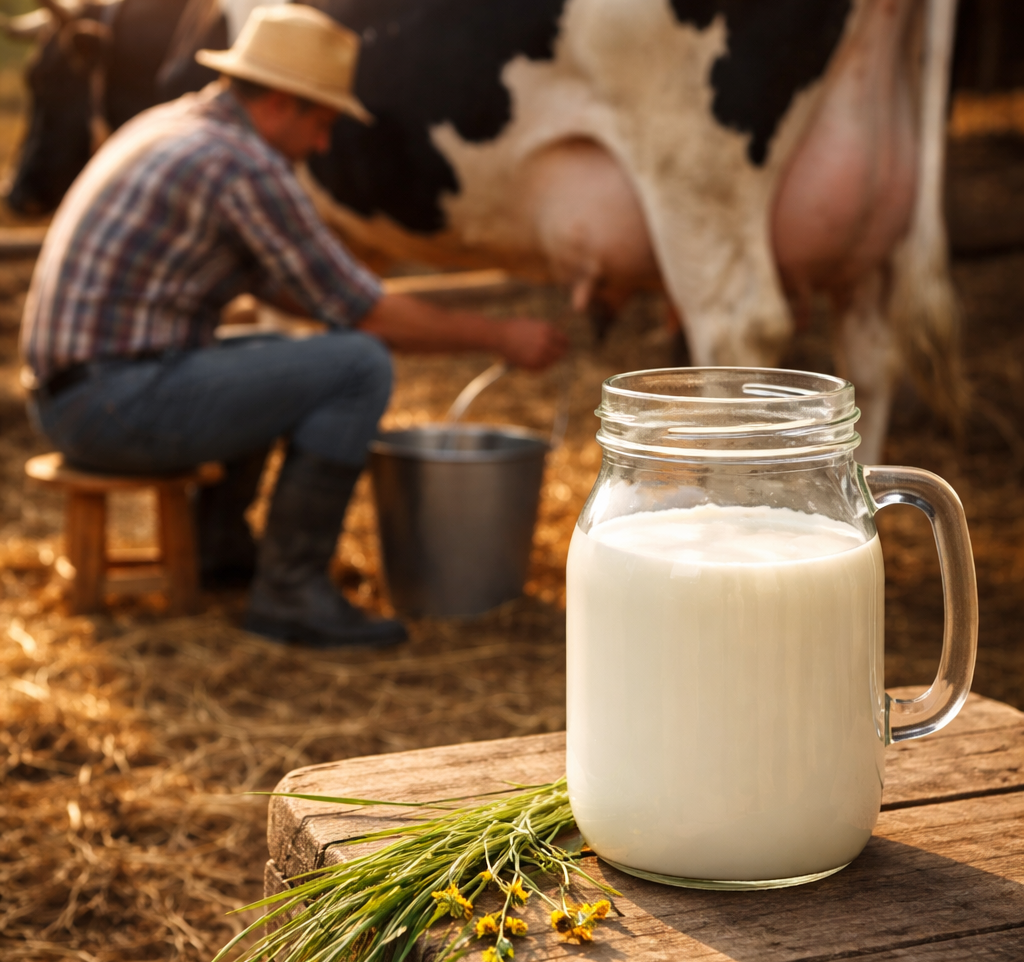
A fresh milk flavor composed of multiple flavor notes including animal, brown, buttery, cereal, creamy. fatty, fresh, milky, plastic, sweet, and waxy notes is generated by AI. See below. The percentages are given as parts per million (ppm) in the final flavor concentrate, a standard practice in flavor compounding. The total formula would typically be used at 0.1-1% in a final food or beverage product.
Fresh Milk Flavor Formula
Base & Top Notes (Fresh, Milky, Sweet):
- δ-Decalactone - 300 ppm
- Primary Role: Creamy, fatty, coconut-like, milky.
- Butyric Acid - 150 ppm
- Primary Role: Cheesy, dairy, slightly animalic (essential for authentic depth).
- Acetaldehyde - 100 ppm
- Primary Role: Fresh, pungent, yogurt-like top note.
- Diacetyl - 80 ppm
- Primary Role: Buttery, creamy (used sparingly for core dairy character).
- Lactone Mixture (C10, C12) - 250 ppm
- Primary Role: Waxy, fatty, creamy body.
Supporting & Character Notes (Cereal, Buttery, Fatty):
6. Furaneol - 200 ppm
* Primary Role: Sweet, caramelic, brown, cooked milk note.
7. Maltol - 120 ppm
* Primary Role: Sweet, cereal, caramel-like.
8. Acetoin - 180 ppm
* Primary Role: Buttery, creamy (supports diacetyl, less intense).
9. Vanillin - 75 ppm
* Primary Role: Sweet, creamy, rounding note.
10. Hexanoic (Caproic) Acid - 60 ppm
* Primary Role: Fatty, waxy, goat-milk note.
Background & Fixative Notes (Animal, Waxy, Plastic):
11. γ-Dodecalactone - 90 ppm
* Primary Role: Fatty, waxy, peach-like.
12. Indole - 5 ppm (handle with care - high impact)
* Primary Role: Animalic, fecal at high levels; floral at traces. Critical for cow shed nuance.
13. p-Cresol (4-Methylphenol) - 2 ppm (handle with care)
* Primary Role: Animalic, barnyard, phenolic.
14. Skato le (3-Methylindole) - 1 ppm (handle with care)
* Primary Role: Animalic, fecal (powerful fixative for realism).
15. Ethyl Butyrate - 50 ppm
* Primary Role: Fruity, sweet, adds freshness and lift.
Total Flavor Concentrate: ~1563 ppm (0.1563%). The remaining balance in the concentrate would be a solvent like Propylene Glycol or Triacetin.
Flavor Components Categorized by Note
Here are up to five key compounds for each given note, as used in the formula above:
Animal:
- Indole - Animal, floral (trace)
- p-Cresol - Barnyard, phenolic
- Skatole - Animal, fecal (ultra-trace)
- Butyric Acid - Cheesy, sweaty (at higher levels)
- Isobutyric Acid - Cheesy, animalic
Brown:
- Furaneol - Caramel, cotton candy, brown sugar
- Maltol - Toasted, caramel, jam-like
- Cyclotene (Methylcyclopentenolone) - Maple, caramel, spicy brown
- Ethyl Maltol - Sweet, sugary, fruity-brown (more potent than Maltol)
- Acetylpyrazine - Popcorn, nutty, roasted cereal
Buttery:
- Diacetyl - Intense buttery, creamy
- Acetoin - Buttery, creamy (milder)
- Butter Esters (e.g., Ethyl Butyrate, Butyl Butyrate) - Fruity buttery
- Acetyl Propionyl - Buttery, creamy (often replaces diacetyl)
- Butyric Acid - Dairy, cheesy (supports buttery in context)
Cereal:
- Maltol - Sweet, baked goods
- Acetylpyrazine - Popcorn, corn chips, roasted grain
- Furfuryl Alcohol - Bready, roasted, nutty
- (E)-2-Nonenal - Cucumber, tallowy, stale cereal (trace for "grain")
- Vanillin - Sweet, creamy (supports cereal-milk impression)
- Furfural, 2-acetylfuran, isovaleraldehyde
Creamy/Fatty:
- δ-Decalactone - Creamy, fatty, coconut
- γ-Dodecalactone - Fatty, waxy, creamy
- Butyric Acid - Fatty, dairy
- Hexanoic Acid - Waxy, fatty, cheesy
- Octanoic Acid - Waxy, fatty, goat-like
- Other possible components: delta-nonalactone, cis-4-heptenal, delta-tetradecalactone, delta-dodecalactone
- Fatty note: decanoic acid, oleic acid, myristic acid, palmitic acid
Fresh:
- Acetaldehyde - Pungent, fresh, green, yogurt
- Ethyl Butyrate - Fruity, fresh, sweet
- Hexanal - Green, grassy, fresh (use ultra-trace)
- Cis-3-Hexenol - Green, cut grass, fresh (trace)
- Acetic Acid - Sharp, acidic, fresh (trace)
Milky:
- δ-Decalactone - Primary milky-coconut
- Butyric Acid - Fundamental dairy note
- Methyl Ketones (e.g., 2-Heptanone) - Blue cheese, creamy in dilution
- Milk Isolate compounds (e.g., p-Cresyl Caprylate) - Direct milk-like notes
- Butyl Acetate - Fruity, ethereal, contributes to whole milk perception
Plastic/Waxy:
- γ-Dodecalactone - Waxy, fatty
- Hexanoic Acid - Waxy, cheesy
- Octanal/Nonanal/2-nonanone - Waxy, citrus, fatty (aldehydic note)
- Ionones (e.g., β-Ionone) - Woody, waxy, berry
- Para-Cresol - Medicinal, plastic (at slightly higher levels)
Sweet:
- Vanillin - Classic sweet, creamy
- Furaneol - Caramellic sweet
- Maltol - Sugary sweet
- Ethyl Maltol - Potent sweetener
- δ-Decalactone - Sweet, coconut
Important Disclaimer: This is an AI generated formula to illustrate the potential flavor components that might be used to construct a fresh milk flavor. No gurantee that it would work, but it may provide a hint.
The flavor compounds listed below are suggested by Judith Michalski in the book "Successful Flavors" for making a "Fresh Milk Flavor," To each compound, its FEMA numbers, flavor descriptors, and suggested usage level are added for readers' information.
📝 Fresh Milk Flavor Compounds
The table below lists all the compounds in alphabetical order, along with their FEMA numbers, sensory descriptors, and typical usage levels for creating a fresh milk flavor.
| Flavor Compound | FEMA Number | Flavor Descriptors | Suggested Usage Levels (in finished product) |
|---|---|---|---|
| 2-acetyl furan | 3163 | Sweet, almond, nutty, roasted, baked goods, coffee, cocoa . | ~20 mg/kg . |
| 2-nonanone | 2785 | Fruity, sweet, floral, fatty, cheesy, waxy, with a green, weedy note . | 1–10 ppm. |
| 2,3-pentanedione | 2841 | Strong buttery, creamy, sweet, slightly caramel-like, nutty. | 0.5–5 ppm. |
| 2-tridecanone | 3388 | Waxy, dairy, coconut, fatty, cheesy, earthy. | 1–10 ppm. |
| 2-undecanone | 3093 | Fruity, waxy, creamy, fatty, citrus-like, with a green note. | 1–10 ppm. |
| 5,6-decenoic acid | 3742 | Waxy, creamy, peach-like, dairy, milky, with a soapy nuance. | 1–5 ppm. |
| acetoin | 2008 | Creamy, buttery, fatty, milky, yogurt-like. | 10–50 ppm. |
| butyric acid | 2221 | Rancid, cheesy, butter, creamy (in small amounts). | 5–10 ppm (for creamy notes). |
| cis-4-heptenal | 3289 | Extremely powerful, creamy, milky, fatty, oily, vegetative, green matcha . | Very low (ppb range) due to high potency; "traces - 0.1%" . |
| decanoic acid | 2364 | Fatty, rancid, citrus-like, cheesy, soapy. An essential component of dairy flavors . | 500 ppm in the flavor concentrate for a fresh milk flavor (to be dosed at 0.05% in final product) . |
| δ-decalactone | 2361 | Creamy, coconut, peach, fatty, milky, sweet . | 10–50 ppm. |
| δ-dodecalactone | 2401 | Strong creamy, coconut, fatty, peach, milky, buttery, fruity . | 5–20 ppm. |
| δ-nonalactone | 3356 | Creamy, sweet, coconut, fatty, milky, with an oily and coumarin-like nuance . | 5–30 ppm. |
| δ-tetradecalactone | 3590 | Waxy, fatty, creamy, milky, dairy-like, with a rich mouthfeel and a hint of coconut at higher levels . | 5–20 ppm . |
| diacetyl | 2370 | Strong buttery, creamy, pastry, yeast . | 2–5 ppm. |
| furfural | 2489 | Sweet, almond, baked potatoes, bread, burnt, caramelic, nutty . | 1–10 ppm. |
| furaneol | 3174 | Sweet, caramel, cotton candy, burnt sugar, fruity, strawberry, with a creamy nuance. | 1–10 ppm. |
| indole | 2593 | Floral (jasmine, narcissus), animal, fecal (in high dilution), mothball-like. In trace amounts, adds complexity. | In trace amounts (ppb range). |
| isovaleraldehyde | 2692 | Pungent, malty, cocoa, chocolate, nutty, cheesy, fatty. | 0.5–5 ppm. |
| lactose | — | This is the natural sugar in milk. It contributes a mild, non-twangy sweetness and body. | Used as a base or carrier in dry mixes, or as a flavor component at higher levels (e.g., 0.1–5%). |
| maltol | 2656 | Sweet, caramel-like, fruity, with a creamy cotton candy nuance. Enhances sweetness and creaminess. | 5–50 ppm. |
| myristic acid | 2764 | Waxy, fatty, soapy, faintly oily. | 1–10 ppm. |
| nonanoic acid | 2784 | Fatty, waxy, cheesy, nutty, with a green, slightly animal-like note. | 1–10 ppm. |
| oleic acid | 2815 | Fatty, oily, slightly lard-like. | 1–10 ppm. |
| p-cresol | 2337 | Phenolic, medicinal, smoky, animal, tar-like. In high dilution, it adds a sweet, woody, animalic nuance to creamy flavors. | In trace amounts (ppb range). |
| palmitic acid | 2832 | Odorless or very faintly waxy-fatty. Contributes to mouthfeel and fatty perception. | 1–10 ppm. |
| skatole | 3019 | Fecal, animal, floral (in high dilution), sweet, warm. In minute quantities, adds complexity and depth to creamy, dairy flavors. | In trace amounts (ppb range). |
| stearic acid | 3035 | Odorless or very faintly waxy-oily. Adds body and fatty mouthfeel. | 1–10 ppm. |
| vanillin | 3107 | Sweet, creamy, vanilla, heliotrope-like. | 10–100 ppm. |
💡 Guidelines for Formulating a Fresh Milk Flavor
Creating a balanced fresh milk flavor involves blending different chemical families to achieve the four dominant notes you mentioned: sweet, creamy, fresh, and milky. Here is a guideline on how to approach formulating this profile:
- The "Sweet" Note: This is achieved through a combination of sweeteners and aroma chemicals with inherent sweetness.
- Primary contributors: Vanillin and maltol are key for a sweet, candy-like creaminess. Furaneol adds a burnt sugar/cotton candy sweetness. Lactose itself provides a non-twangy, inherent milk-sugar sweetness.
- Supporting role: 2,3-pentanedione and diacetyl contribute a sweet, buttery background.
- The "Creamy" Note: This is largely driven by lactones, which provide the fatty, full-bodied mouthfeel associated with cream.
- Primary contributors: The delta-lactones (δ-C8 to C14) are the workhorses. δ-Decalactone (peach/creamy), δ-Dodecalactone (strong creamy/coconut), and δ-Tetradecalactone (fatty, rich mouthfeel) are critical for building a creamy base . γ-Nonalactone (listed under oleic acid in your image) also adds creamy-coconut notes.
- Supporting role: Diacetyl and acetoin at moderate levels are fundamental for the signature creamy, buttery note of fresh milk.
- The "Fresh" Note: Freshness is a delicate top note that suggests just-drawn milk.
- Primary contributors: Cis-4-heptenal is extremely powerful and, at trace levels (ppb), imparts a distinct creamy, milky freshness . Dimethyl sulfide (from the previous image) is also key for the "fresh, sweet corn" character of fresh milk, used at very low levels.
- Supporting role: A faint hint of 2-nonanone or 2-undecanone can add a slightly "clean" fatty nuance, but must be used sparingly.
- The "Milky" Note: This is the authentic, whole-milk character, which comes from a careful balance of fatty acids and trace compounds.
- Primary contributors: Decanoic, dodecanoic, myristic, oleic, and palmitic acids are essential at low levels to provide the fatty, slightly soapy/waxy background of real milk. Decanoic acid at 500 ppm in the flavor concentrate is a good starting point .
- The "Magic" in trace amounts: This is where the art of flavor formulation lies. Minute quantities (ppb) of skatole, indole, and p-cresol add a subtle complexity, depth, and an animalic "reality" that stops the flavor from smelling purely like a synthetic cream candy. They add the "live" milk character.
- Supporting role: δ-Nonalactone bridges the creamy and milky notes with its distinct milky profile .
Formulation Strategy Summary
- Build the Base: Start with the fatty acids (decanoic, myristic, palmitic, oleic) at low levels (e.g., 1-10 ppm total) to establish the fatty background of milk. Add the key delta-lactones (δ-C10, C12, C14) to build a creamy, rich body.
- Add the Character: Incorporate diacetyl and acetoin for the defining buttery character. Add vanillin and maltol for the sweet, smooth top notes.
- Create Freshness: Use cis-4-heptenal at threshold levels (ppb) to lift the profile with a fresh, milky nuance.
- Perfect with Trace Components: Carefully add parts-per-billion levels of skatole, indole, and p-cresol. This step is crucial; too much will ruin the profile with off-notes, but just enough will create a complex, authentic, and "fresh" milk character that has depth.
- Balance and Iterate: The levels of the potent ketones (2,3-pentanedione, 2-tridecanone) and aldehydes (furfural, isovaleraldehyde) should be fine-tuned to add complexity without dominating the profile. The goal is a harmonious blend where the sweet, creamy, fresh, and milky notes are all perceivable as one coherent "fresh milk" experience.
###