Energy Drinks and Heart Problems: New 2026 Research Raises Concerns About Cardiac Arrest and Heart Attack Risk
November 2, 2026 | Health News, Beverage Safety & Industry Research
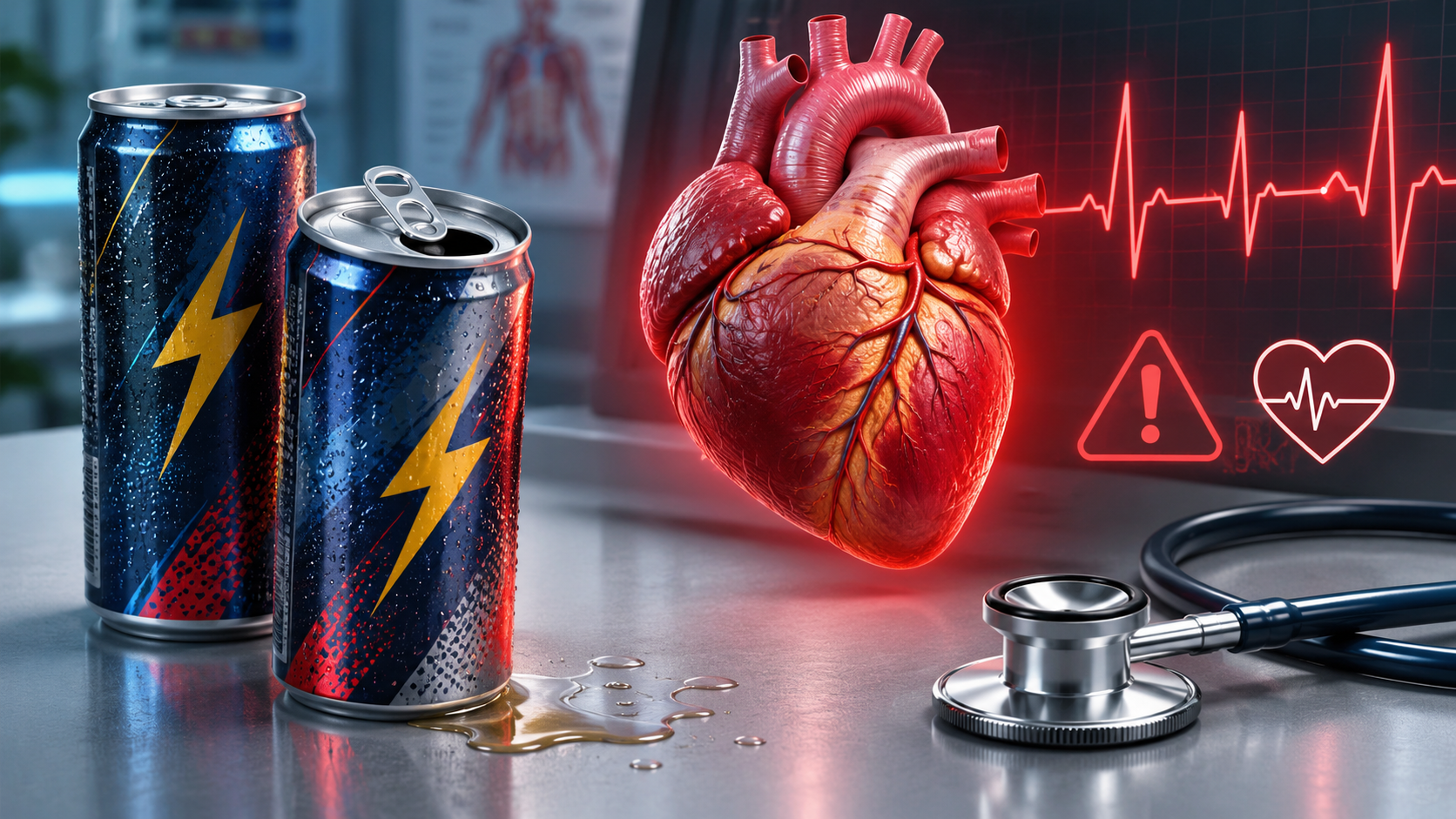
Energy drinks are under renewed scrutiny after new research linked highly caffeinated beverages and stimulant-containing supplements to disproportionate reports of serious cardiovascular events, including cardiac arrest, heart attacks and abnormal heart rhythms.
The findings, announced by the American Heart Association (AHA) on November 2, 2026, suggest that young adults may be an important group for cardiovascular safety monitoring.
The latest study is not the only evidence. Research from Mayo Clinic, controlled clinical trials and a systematic review have previously identified potential cardiovascular effects associated with energy drink consumption.
The question is whether energy drinks can increase the risk of cardiac arrest, particularly among younger consumers.
New 2026 Study Links Energy Drinks to More Cardiac Arrest Reports
According to the American Heart Association's November 2 research announcement, researchers examined 28,345 adverse-event reports submitted to the U.S. Food and Drug Administration between 2017 and 2025.
Of those reports, 854 involved energy drinks or dietary supplements containing caffeine and other stimulants.
Compared with reports involving products without these stimulants, researchers observed substantially higher reporting frequencies for several serious heart conditions.
Key findings from the 2026 study: relative frequency of cardiovascular events within FDA adverse-event reports
- Cardiac arrest: about 11×
- Heart attack: about 4.5×
- Ventricular arrhythmias or palpitations: about 4×
- Elevated heart rate: about 3×
These figures describe differences in adverse-event reporting, not increases in an individual consumer's probability of developing these conditions. The analysis also included stimulant supplements, not energy drinks alone.
Approximately 45% of cardiovascular-event reports associated with stimulant-containing products involved people aged 18–34.
The study is scheduled for presentation at the AHA Scientific Sessions, November 6–9, 2026, in Chicago.
It is currently a conference abstract, not a completed peer-reviewed journal article. Voluntary safety reports cannot establish causation or reliably measure the incidence of cardiac arrest among consumers.
Mayo Clinic Study Found Cardiac Arrest Cases Following Energy Drink Consumption
Earlier research raised similar concerns.
A 2024 Mayo Clinic study published in Heart Rhythm examined 144 survivors of sudden cardiac arrest who had undergone specialist assessment.
Researchers identified seven patients, approximately 5% of the group, whose cardiac arrests occurred in temporal proximity to energy drink consumption.
The patients had genetic or otherwise unexplained electrical heart disorders, including long QT syndrome, catecholaminergic polymorphic ventricular tachycardia and idiopathic ventricular fibrillation.
Six required emergency defibrillation, while one was resuscitated manually.
Researchers emphasized that the association did not establish that energy drinks caused these events.
Even so, Mayo Clinic's clinical commentary advised caution, particularly for people with inherited heart rhythm conditions.
This matters because certain underlying electrical abnormalities may remain undiagnosed until a serious event occurs.
A 2025 Review of 37 Studies Found Multiple Cardiovascular Effects
A 2025 systematic review in Current Cardiology Reports examined 37 studies involving 1,597 participants, whose average age was approximately 22.6 years.
The review found that studies frequently reported cardiovascular changes after energy drink consumption, including:
- Increased heart rate.
- Elevated systolic and diastolic blood pressure.
- Prolongation of the corrected QT interval, or QTc.
- Other changes in electrical heart activity.
QTc prolongation can indicate an increased vulnerability to certain dangerous heart rhythms.
The review found QTc prolongation in 63.2% of the included studies that evaluated this outcome.
That figure represents the proportion of studies reporting the effect, not the percentage of consumers who developed QTc prolongation.
The authors concluded that more research is needed to clarify long-term cardiovascular outcomes and risks among vulnerable populations.
Controlled Clinical Trials Provide Additional Evidence
Unlike observational research, randomized controlled trials can more directly assess short-term physiological effects.
A 2019 trial reported by the American Heart Association involved 34 healthy adults aged 18–40.
After consuming 32 ounces of energy drinks, participants showed changes in heart electrical activity and elevated blood pressure compared with placebo.
An earlier 2017 randomized trial published in the Journal of the American Heart Association compared energy drinks with a caffeine-matched control beverage.
Researchers found differences in QTc measurements and blood pressure at specific time points, suggesting that ingredients beyond caffeine might influence cardiovascular responses.
Neither trial demonstrated that energy drinks cause cardiac arrest. Both, however, provide experimental evidence of cardiovascular effects that warrant investigation.
Why Might Energy Drinks Affect the Heart?
Energy drinks often combine substantial amounts of caffeine with ingredients such as guarana, taurine and other stimulants.
Caffeine stimulates the central nervous system and can temporarily affect blood pressure, heart rate and the body's stress response.
High stimulant exposure may be particularly concerning for people with existing cardiovascular conditions or inherited susceptibility to arrhythmias.
The combination of multiple stimulants, intense exercise, alcohol or recreational drugs may introduce additional risks, although their precise contributions require further research.
A heart attack and cardiac arrest are different medical events. A heart attack generally involves reduced blood supply to heart muscle, while cardiac arrest occurs when the heart suddenly stops pumping effectively, often because of a dangerous electrical rhythm.
How Much Caffeine Is Safe?
According to the FDA's caffeine safety guidance, up to 400 milligrams of caffeine daily is generally not associated with negative effects for most healthy adults.
This is not a universal safety threshold, however.
The FDA notes that some 16-ounce energy drinks contain approximately 54–328 milligrams of caffeine, meaning multiple servings can quickly increase daily intake.
The AHA's July 2026 scientific statement also distinguishes moderate coffee consumption from high-dose energy drink consumption.
Research on coffee should not automatically be applied to energy drinks because the formulations, stimulant concentrations and consumption patterns differ.
Children and teenagers are advised to avoid energy drinks.
Adults with heart rhythm disorders, uncontrolled high blood pressure or other relevant medical conditions should seek individualized advice from a healthcare professional.
What This Means for Beverage and Flavor Professionals
For beverage manufacturers, these findings underline the need to balance consumer appeal with responsible formulation.
Caffeine transparency: Clear labeling of total caffeine per container helps consumers understand their exposure, particularly when combining energy drinks with coffee or supplements.
Stimulant formulation: Product developers should evaluate cumulative exposure from caffeine-containing ingredients and other stimulants, rather than assessing each ingredient in isolation.
Flavor development: Demand for refreshing energy beverages leaves room for lower-caffeine or caffeine-free alternatives with citrus, tropical fruit, berry and botanical profiles.
Responsible marketing: Packaging and advertising should avoid implying that a flavorful product is automatically safe for unlimited consumption.
Safety research: Manufacturers can support better ingredient-specific studies, cardiovascular monitoring and post-market safety surveillance.
These considerations carry more weight as the energy drink category expands and younger consumers encounter a wider variety of stimulant-containing products.
Should Consumers Stop Drinking Energy Drinks?
The existing evidence does not establish that occasional energy drink consumption causes cardiac arrest in otherwise healthy adults.
Research does consistently identify cardiovascular effects, however, and individuals with underlying heart conditions may face additional risks.
Consumers can reduce potential exposure by checking caffeine labels, avoiding excessive intake and being cautious about combining energy drinks with other stimulants.
Anyone experiencing persistent palpitations, fainting or unexplained cardiovascular symptoms should seek medical evaluation and discuss their stimulant intake. Chest pain, severe shortness of breath or collapse requires immediate emergency medical attention.
Are Energy Drinks Linked to Cardiac Arrest?
The 2026 American Heart Association findings add to existing research raising concerns about energy drinks and heart problems.
Evidence from adverse-event reporting, clinical investigations, systematic reviews and randomized trials points toward potentially important cardiovascular effects, particularly among susceptible individuals.
Association is not causation, however. Researchers have not established how often energy drinks directly cause cardiac arrest or quantified an individual's absolute risk.
Energy drinks may affect heart rhythm and blood pressure, and preliminary research has identified disproportionate reports of serious cardiovascular events. The findings justify caution, more rigorous research and clearer consumer information. They do not show that every energy drink poses an imminent cardiac arrest risk.
Editorial note: This article draws on research and official medical guidance available as of November 2, 2026. The newest AHA findings are preliminary, and the reported 11-fold difference must not be interpreted as an 11-fold increase in personal cardiac arrest risk. This article is informational and does not replace medical advice.