Strecker Degradation: What Flavorists Need to Know, According to the SFC
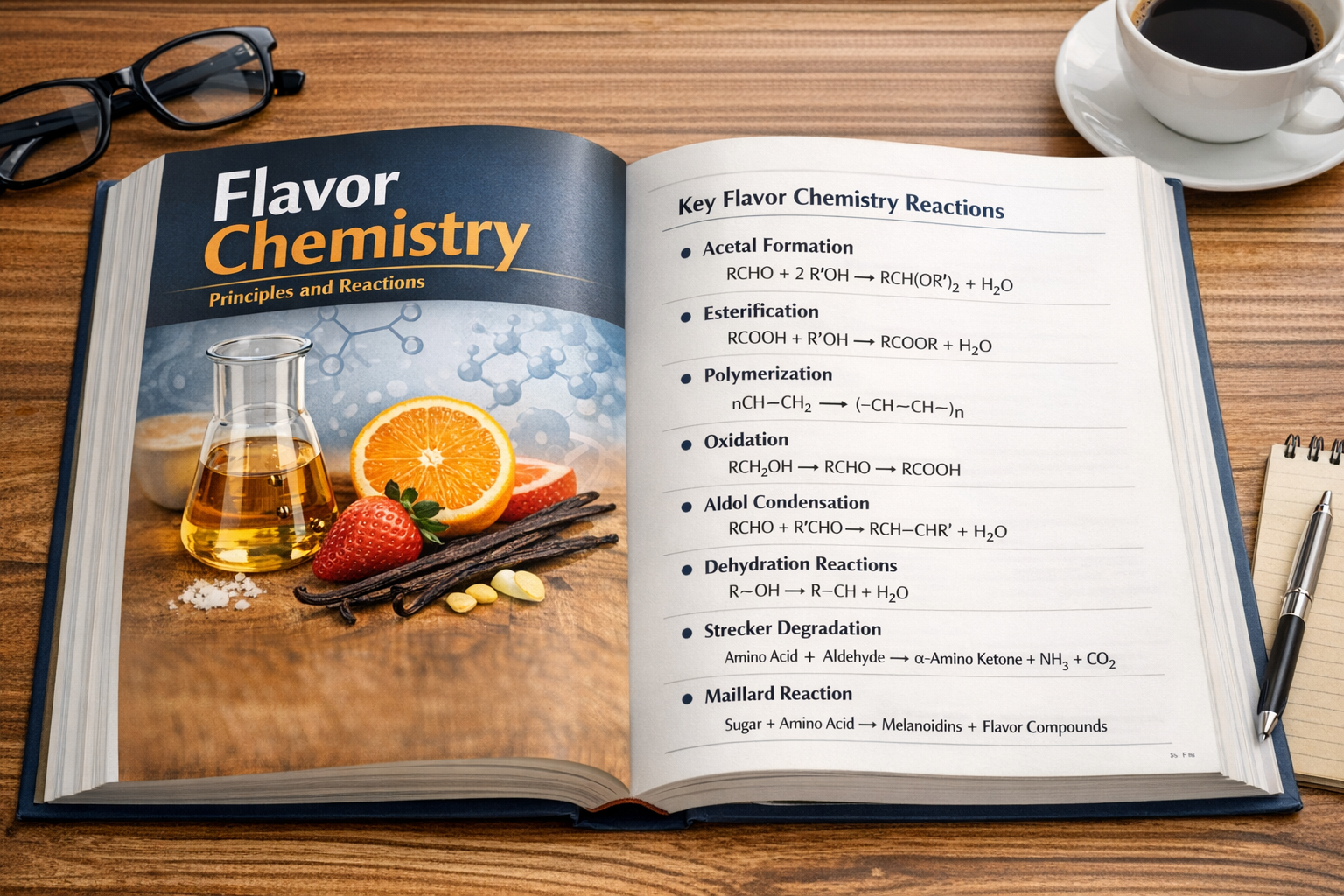
Strecker degradation is one of the most important secondary pathways within Maillard chemistry, especially for flavor generation and long-term flavor evolution. The Society of Flavor Chemists requires all certified flavorists to understand the basics about this reaction and its applications or implications in flavors.
The Strecker degradation is a chemical reaction which converts an α-amino acid into an aldehyde containing the side chain, by way of an imine intermediate. It is named after Adolph Strecker, a German chemist.
The original observation by Strecker involved the use of alloxan as the oxidant in the first step,[1] followed by hydrolysis:

The reaction can take place using a variety of organic and inorganic reagents
This post summarizes all things that flavorists need to know about Strecker degradation and Strecker aldehydes, according to the SFC.