Summer Grilling 2026: Why Barbecue Flavors Are Taking Over Everything From Sauces to Instant Noodles
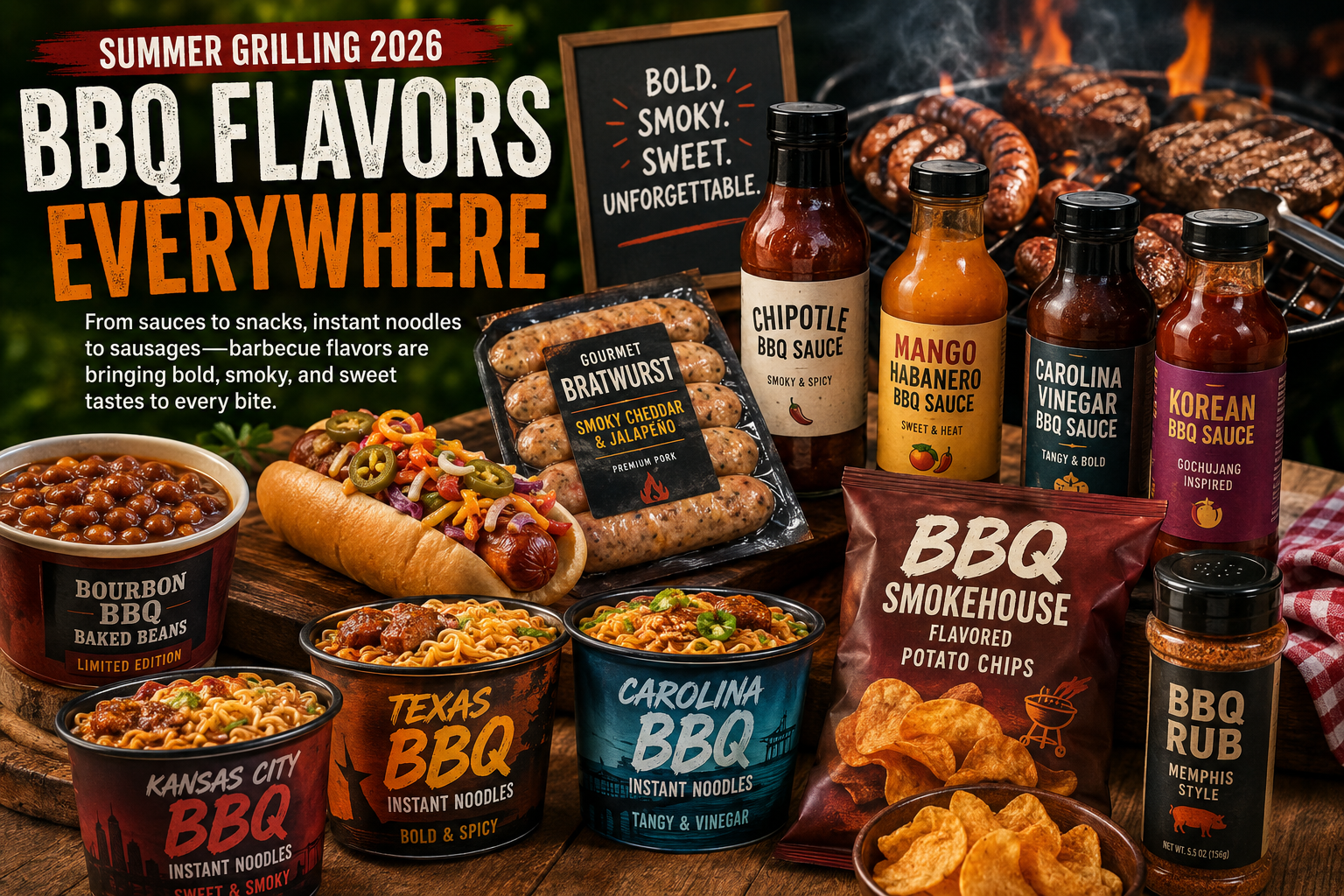
Every summer, grilling season inspires a fresh wave of food innovation. But in 2026, the trend has expanded well beyond burgers, hot dogs and barbecue sauce. Food manufacturers are bringing smoky, sweet, spicy and regional barbecue flavors into products that traditionally have little connection to backyard cookouts, creating new opportunities to keep the taste of summer alive long after the grill has cooled.
From premium sausages and creative condiments to barbecue-inspired instant noodles and limited-edition baked beans, brands are capitalizing on consumers' appetite for bold flavors, seasonal excitement and social-media-worthy food experiences. The result is a marketplace where barbecue has become more than a cooking method—it has evolved into a year-round flavor platform. (FoodNavigator-USA.com)
Barbecue Is No Longer Just About the Grill
For decades, barbecue season centered on fresh meat, charcoal and traditional condiments. Today, consumers are looking for convenience without sacrificing flavor, encouraging food companies to recreate authentic grilled tastes in packaged foods.
Advances in flavor science allow manufacturers to capture smoky, roasted and caramelized notes associated with outdoor cooking, making it possible to deliver barbecue-inspired experiences in snacks, noodles, sauces and frozen foods. These technologies mimic the complex flavors created during grilling while extending shelf life and consistency across products. (FoodNavigator-USA.com)
This evolution reflects a broader shift in consumer behavior. People increasingly want restaurant-quality flavors that fit busy lifestyles, whether they are preparing dinner in minutes or looking for exciting snacks between meals.
Premium Meats Continue to Drive Innovation
Although flavor experimentation is expanding across grocery aisles, meat remains the centerpiece of summer grilling.
Manufacturers are introducing premium hot dogs, gourmet bratwursts and specialty smoked sausages with increasingly adventurous flavor profiles. Chipotle, jalapeño, cheddar and regional barbecue seasonings are becoming common as brands compete for consumers seeking something beyond traditional pork or beef products.
Higher-quality ingredients are also becoming more important. Grass-fed beef, cleaner ingredient statements and premium positioning appeal to shoppers willing to pay more for products that combine convenience with perceived quality. (FoodNavigator-USA.com)
Regional Barbecue Styles Become National Flavors
One of the strongest trends shaping new product development is America's fascination with regional barbecue traditions.
Kansas City, Texas, Carolina and Memphis each offer distinctive flavor identities based on different combinations of smoke, sweetness, spice, vinegar and tomato. Rather than asking consumers to choose one favorite style, manufacturers are transforming these regional profiles into packaged products that can be enjoyed anywhere.
Instant noodle brands, for example, are introducing limited-edition barbecue-inspired varieties that recreate regional flavor differences in convenient meals. These products appeal not only to barbecue enthusiasts but also to younger consumers who enjoy trying novel, limited-time flavors. (FoodNavigator-USA.com)
Condiments Are Becoming More Adventurous
Traditional ketchup and yellow mustard are no longer enough for many shoppers.
Today's consumers are embracing sauces that combine global culinary influences with classic American barbecue. Mexican-inspired barbecue sauces, chipotle-based blends, smoky fruit flavors and internationally influenced marinades are becoming increasingly common.
Many newer sauces also emphasize cleaner ingredient labels by reducing refined sugars, eliminating artificial additives and avoiding high-fructose corn syrup. This reflects growing demand for products that balance indulgence with health-conscious purchasing decisions. (FoodNavigator-USA.com)
Limited Editions Create Excitement
Seasonal exclusives have become one of the food industry's most effective marketing tools.
Whether it is uniquely flavored baked beans, colorful condiments tied to movie promotions or barbecue-inspired instant meals, limited-time offerings encourage impulse purchases and generate online conversation.
Consumers often buy these products not only because they expect great taste, but also because they enjoy discovering something new before it disappears from store shelves. Social media further amplifies these launches, helping unusual products reach audiences well beyond traditional advertising.
This strategy also allows companies to test consumer response before committing to permanent product lines.
The Rise of "Swicy" and Layered Flavor Profiles
Another defining trend in 2026 is the continued popularity of "swicy" flavors—a combination of sweet and spicy elements.
Instead of relying solely on smoky barbecue sauce, brands are layering heat, sweetness, fruit, acidity and savory notes to create more complex flavor experiences. Mango-chili glazes, pineapple-chipotle sauces and maple-pepper barbecue blends are becoming increasingly common.
Industry analysts believe these multidimensional flavor combinations appeal particularly to younger consumers who actively seek culinary exploration and international influences. (AAMP)
Health and Clean Labels Still Matter
Even during barbecue season, shoppers continue paying attention to nutrition and ingredient quality.
Manufacturers are responding by offering products with fewer artificial ingredients, simplified recipes and more recognizable components. Some brands are reducing added sugar, while others emphasize natural colorings or premium protein sources.
This balance between indulgence and wellness has become a defining characteristic of modern food innovation. Consumers increasingly expect products to deliver bold flavor without compromising ingredient transparency. (Giraffe Foods)
Why Barbecue Flavors Continue to Grow
Several long-term market forces are driving continued investment in barbecue-inspired products:
- Consumers crave comfort foods with familiar flavors.
- Seasonal and limited-edition launches encourage repeat purchases.
- Regional American barbecue traditions provide endless inspiration for innovation.
- Global flavor influences keep classic barbecue fresh and exciting.
- Social media rewards visually interesting and conversation-starting foods.
- Advances in food science make authentic smoky flavors easier to reproduce in packaged products.
Rather than treating barbecue as a once-a-year event, manufacturers increasingly view it as a flavor category that can generate sales across multiple food segments.
Industry Outlook
Barbecue-inspired innovation shows no signs of slowing. Future product development is likely to include more globally inspired sauces, cleaner-label formulations, plant-based barbecue offerings and expanded applications in snacks, frozen meals and ready-to-eat foods.
For food manufacturers, barbecue has become more than a seasonal marketing opportunity. It represents a versatile flavor platform capable of crossing categories, attracting adventurous consumers and supporting premium product positioning.
As shoppers continue seeking bold, nostalgic and authentic flavor experiences, barbecue will remain one of the food industry's most influential sources of inspiration—both on the grill and far beyond it.
###